by Jennyfer Ambe DrPH
Nigerians may remember a Liberian-American diplomat named Patrick Sawyer, who collapsed at Murtala Muhammed International Airport in Lagos infected with Ebola Virus Disease (EVD). In a city of over 20 million people, Africa’s largest… the virus had just breezed in.
What followed became one of the most celebrated public health responses in modern history. But before we get to what is happening right now in DRC and Uganda, let us make sure we understand what we are actually dealing with.
What Is the Ebola Virus?

The Ebola Virus belongs to a family of viruses called filoviruses. They are thread-shaped, RNA viruses that often cause severe hemorrhagic fever in humans and other primates. They are among the most dangerous pathogens known to science, spreading through direct contact with the bodily fluids of an infected person.
But here is what many people do not know: Ebola is not one single virus. It is a family with several distinct strains. The strain behind the devastating 2014 West Africa outbreak, the one most people picture when they hear “Ebola”, was the Zaire strain. The vaccines and treatments that exist today were developed specifically to target that strain.
The current outbreak in DRC and Uganda is caused by a different strain: Bundibugyo.
No licensed vaccine. No approved treatment. A different virus, requiring a different response.
Nigeria Has Been Here Before.
In July 2014, Dr. Ameyo Stella Adadevoh (RIP), correctly suspected and later diagnosed Patrick Sawyer and, despite intense diplomatic pressure from Liberian officials to release him, she held firm and kept him in quarantine. Her moral courage in that moment reduced the risk of Sawyer transmitting the virus to more people.
Governor Babatunde Raji Fashola worked swiftly with Health Commissioner Dr. Jide Idris to mobilise quarantine facilities, isolation wards, and contact tracing for over 800 people. Lagos also received a blood mobile unit to train response teams, a quiet but consequential investment in Nigeria’s outbreak capacity.
Dr. Idris catalysed the formation of the Global Emerging Pathogens Treatment Consortium (the GET Consortium) an African-led group of clinicians, blood bank specialists, and social science experts drawn from across Africa, Europe, Asia, and the United States. Its mandate: pool resources, assess treatments, and build African capacity in biosecurity and blood component therapy. One of its nerve centres was established in Lagos, in direct recognition of the leadership demonstrated there.
Nigeria was declared Ebola-free by the WHO on October 20, 2014. Twenty confirmed cases. Eight deaths. In a megacity of 20 million. The world called it remarkable. Nigerians called it leadership.
Fast-forward 2026
The current outbreak in DRC and Uganda is serious. Nigeria has no confirmed case. However, surveillance is active, preparedness measures are being reinforced, and Lagos remains on alert as Nigeria’s busiest travel hub. Nigeria’s solidarity showed up when Africa CDC Director General Dr. Jean Kaseya confirmed this week that he received a direct call from H.E. Muhammad Ali Pate, Nigeria’s Coordinating Minister of Health and Social Welfare, who expressed solidarity with the affected countries and reaffirmed Nigeria’s readiness to support the ongoing response in any way needed. Dr. Kaseya publicly acknowledged this as a strong gesture of African solidarity.
The Bigger Picture
For more write-ups on what is being done, insight to the continental response, and why Dr. Kaseya’s declaration that this response will be “led by Africans, in Africa, for Africans” is more than a slogan, you are welcome to read more on the Majority World Epidemiologist.
Figures are as of May 21, 2026, per WHO Disease Outbreak News. For the latest data, visit africacdc.org.
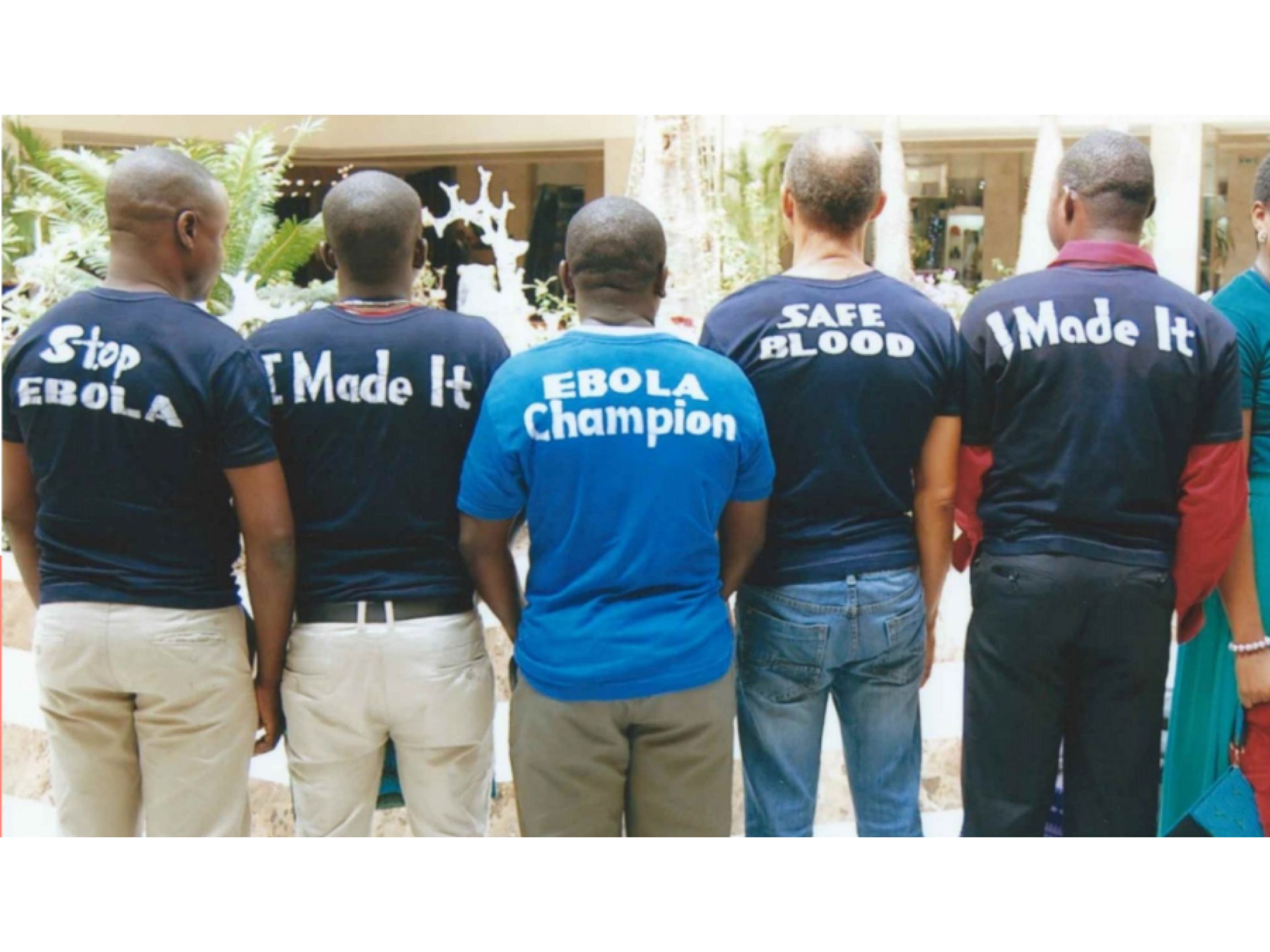
Photo Credit: Jennyfer Ambe, Dakar Senegal, Jan. 2015