By Okoi Obono-obla
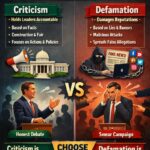
Today, 15th August 2026, I was invited by an FM Radio Station in Calabar, Cross River State, to discuss the differences between free speech and defamation, as well as cyberbullying and cyberstalking. This was in connection with the case of one Dennis Odama against a netizen who was alleged to have cyberstalked some officials of the Government of Cross River State on Facebook.
During the programme, the anchor suggested that cyberstalking and cyberbullying are not criminal offences in the United States of America, arguing that President Donald Trump constantly suffers cyberstalking and cyberbullying but takes no action against those who subject him to it.
This is a view held by many people here in Nigeria who know nothing about the law in the United States, and with due respect, it is grossly mistaken and wrong.
Undeniably, the USA is a bastion of constitutional rights, such as freedom of speech and the right to express oneself on social media, but like in Nigeria, such rights and freedoms are not absolute. They are circumscribed by law.
The pertinent question is therefore this: Are cyberstalking and cyberbullying crimes in the United States of America?
The answer is a categorical YES.
The Position of the Law in the USA
Yes, cyberstalking is a federal and state crime in the USA. Cyberbullying is not a standalone federal crime, but specific acts of online bullying regularly cross the line into criminal charges such as harassment, stalking, or making threats under state laws.
1. Federal Laws:
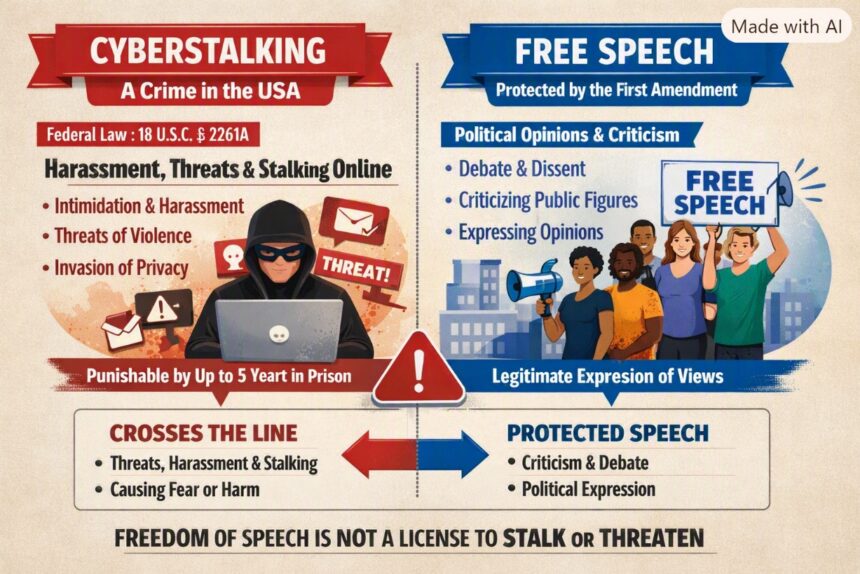
a) Cyberstalking: It is prohibited under federal law, 18 U.S.C. § 2261A, when electronic communications cross state lines or national borders to harass, intimidate, or place someone in fear of death or serious bodily injury. It is a felony offence punishable by up to five years in prison.
b) Interstate Threats: Sending explicit threats to injure another person via the internet or telephone is a federal offence under 18 U.S.C. § 875(c).
2. State Laws:
a) Cyberstalking and Harassment: Every state in the United States has criminal statutes covering stalking, harassment, or menacing that explicitly include electronic communication, text messages, and social media.
b) Consequences of Cyberbullying: Depending on the severity and the age of those involved, severe cyberbullying can lead to misdemeanor or felony charges — such as extortion, stalking, or hate crimes — in addition to school expulsion and civil lawsuits.
Free Speech vs. Criminal Conduct
This is where many people get it wrong. Criticizing a public official, including President Trump, or raining insults on a political leader is generally considered protected political speech under the First Amendment of the US Constitution. That is why you see people abusing the President online without being arrested.
However, there is a clear legal line: When criticism turns into a true threat, a repeated course of conduct intended to cause substantial emotional distress, or conduct that places a person in reasonable fear of death or serious bodily injury, it ceases to be protected speech. It becomes a crime.
Therefore, the fact that President Trump does not take action against those who insult him does not mean the law does not exist. It simply means their conduct has not crossed the threshold from protected free speech into criminal cyberstalking, threats, or defamation.
In conclusion, freedom of speech is not a license to defame, bully, or stalk anyone online, whether in Nigeria or in the United States of America.