By Ibrahim Bunu
ibrahimbunu2520@gmail.com
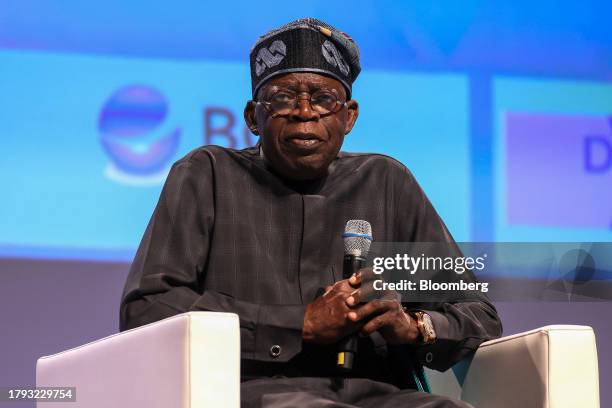
Nigeria is entering another defining political season.
As conversations intensify ahead of the 2027 presidential election, one question continues to dominate political discussions across markets, universities, religious gatherings, civil society circles, and elite policy forums:

Why does President Bola Ahmed Tinubu still appear to have a stronger path to victory despite the worst economic hardship many Nigerians have experienced in decades?
The answer is more complicated than partisan politics.
It lies in the uncomfortable reality that many of the painful economic decisions currently hurting Nigerians are the same reforms that economists, international financial institutions, policy experts, and even several opposition politicians had recommended for years but lacked either the political courage or political opportunity to implement.
This does not automatically mean Nigerians are happy.
In fact, many are angry.
Many are exhausted.
Many feel abandoned.
But history often shows that the most loved politician does not always win elections. Sometimes they are won by the politician who successfully convinces voters that the suffering has a purpose and that recovery is on the way.
That may become Bola Tinubu’s strongest political argument in 2027.
The Reform Question Nobody Wanted To Touch
For over two decades, economists repeatedly warned that Nigeria’s fuel subsidy regime had become unsustainable.
Successive administrations discussed removing it.
Most retreated.
The same happened with multiple foreign-exchange windows, which created distortions, encouraged arbitrage, and scared away investors.
When Tinubu assumed office in May 2023, he immediately removed fuel subsidies and moved toward unifying the exchange rate.
The decisions triggered immediate economic shocks.
Fuel prices rose sharply.
Transportation costs increased.
Food inflation intensified.
The naira suffered major depreciation.
Millions of Nigerians experienced a severe decline in purchasing power.
Yet institutions such as the World Bank and the IMF continued to argue that subsidy removal and exchange rate reforms were necessary to restore long-term macroeconomic stability. The World Bank has repeatedly stated that previous subsidy and exchange-rate arrangements were distortionary and unsustainable and that reforms since 2023 have helped create fiscal space for economic restructuring. (World Bank)
The IMF similarly described subsidy removal and exchange-rate reforms as important structural adjustments needed to stabilize the economy and strengthen public finances. (IMF)
The Opposition’s Dilemma
One of the most misunderstood aspects of Nigerian politics is the assumption that the opposition would have maintained fuel subsidies if they had won in 2023.
Available campaign statements suggest otherwise.
Both Atiku Abubakar and Peter Obi publicly advocated subsidy reforms during the campaign period, though their approaches and timelines differed. Independent fact-checking organizations later reviewed claims about these positions and found evidence that major candidates had acknowledged the need to remove subsidies. (CDD Fact Check)
This creates a major political challenge for opposition parties.
If they criticize Tinubu for removing subsidies, voters may ask:
“If you had won, would you have kept the subsidy?”
The answer becomes difficult because many of them also argued that the subsidy system was economically unsustainable.
The debate therefore shifts away from whether reforms were necessary and focuses instead on how the reforms were implemented and whether sufficient protections were provided for ordinary Nigerians.
That distinction could become one of the most important battlegrounds of 2027.
Why Tinubu May Still Win By A Wide Margin
Several political realities currently favor the president.
1. Incumbency Remains Powerful
Incumbency provides advantages in visibility, government structure, political negotiation, coalition building, and grassroots mobilization.
Nigerian elections are not won only on social media.
They are won through deep political networks across states, local governments, traditional institutions, religious communities, and party structures.
Tinubu remains one of the most experienced coalition-builders in Nigerian political history.
2. The Opposition Is Still Fragmented
A divided opposition traditionally benefits the ruling party.
Recent developments within opposition alliances have exposed disagreements, legal disputes, personality clashes, and leadership struggles. Analysts increasingly argue that opposition fragmentation may significantly strengthen Tinubu’s re-election prospects. (Reuters)
If opposition parties fail to unite behind a single strong candidate, vote splitting could once again become a decisive factor.
3. International Institutions Are Beginning To Recognize Reform Outcomes
While acknowledging rising poverty and hardship, several international institutions have also pointed to improvements in fiscal management, foreign reserves, investor confidence, exchange-rate transparency, and long-term growth prospects. (World Bank)
The World Bank has reported that major reforms have helped restore macroeconomic stability and improve revenue generation. (World Bank)
Ratings agencies and development finance institutions have also pointed to signs of stabilization. (Reuters)
Tinubu’s campaign will likely use these indicators to argue that the painful phase of reform is beginning to yield results.
4. The “I Took The Difficult Decision” Narrative
Politically, Tinubu may present himself as the leader who accepted short-term pain for long-term national survival.
His campaign message could be simple:
“Others talked about reforms. I implemented them.”
Whether voters accept that argument remains uncertain.
But it is a powerful political narrative.
The Danger Tinubu Must Never Ignore
The biggest threat to Tinubu may not come from opposition politicians.
It may come from ordinary Nigerians.
History offers a warning.
The Goodluck Jonathan Lesson
Former President Goodluck Jonathan introduced several reforms and infrastructure projects.
Yet many ordinary citizens felt disconnected from the benefits.
By 2015, public frustration over insecurity, economic pressures, and perceptions of elite disconnect contributed significantly to his defeat.
The lesson is simple:
Macroeconomic statistics do not automatically translate into political support.
GDP growth cannot replace food on the table.
Foreign reserves cannot replace affordable transportation.
Investor confidence cannot replace household confidence.
If citizens do not feel improvements in their daily lives, positive economic indicators alone may not save an incumbent government.
What Poor Nigerians Are Actually Saying
Across many communities, several concerns continue to dominate discussions:
Food Prices
Food inflation remains the most emotional issue.
Citizens judge governments primarily through market prices.
When rice, maize, beans, cooking oil, and transportation costs rise, political frustration rises with them.
Electricity
Many Nigerians believe they are paying more for electricity while still experiencing inconsistent supply.
Power sector improvements must become visible and measurable.
Security
Farmers want to return safely to their farms.
Traders want secure highways.
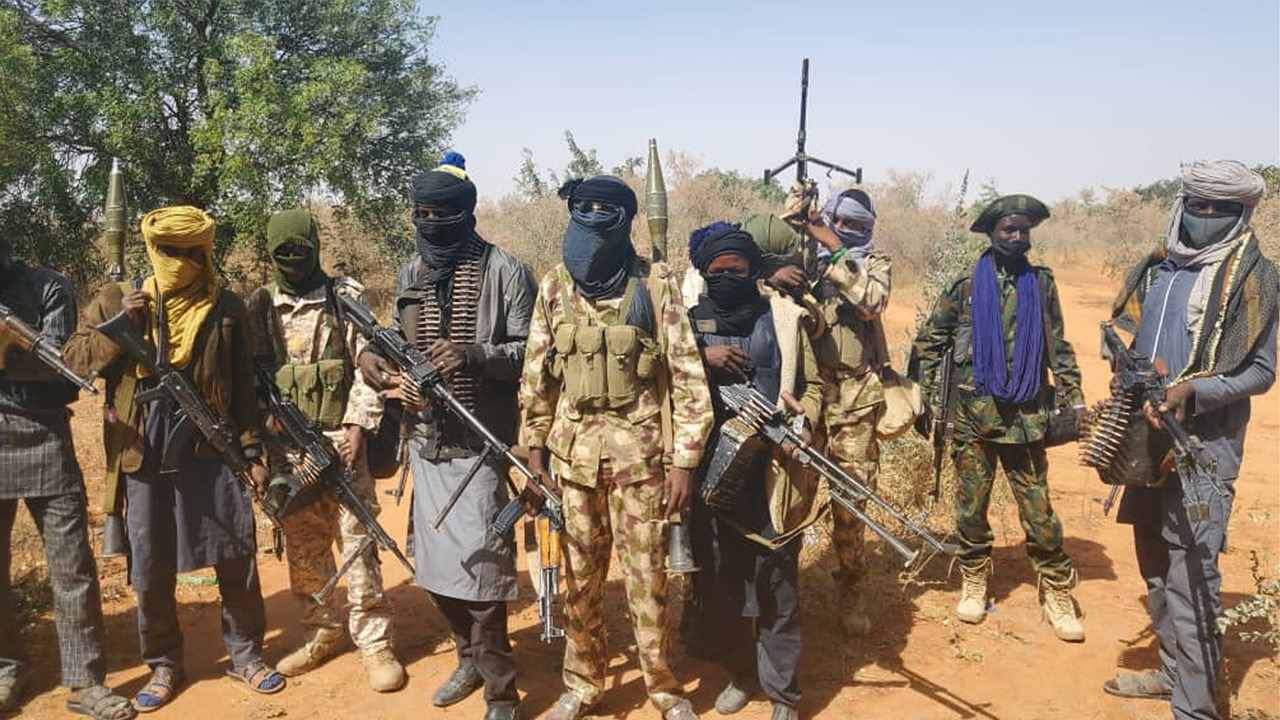
Communities affected by banditry, kidnapping, insurgency, and communal violence want practical results rather than promises.
Employment
Young people increasingly demand jobs, skills, technology opportunities, and access to financing.
Economic growth that does not generate employment risks creating political backlash.
Regions Tinubu Must Focus On
Several political zones may become decisive:
North-West
Traditionally influential in national elections.
Economic hardship and security concerns remain significant issues.
North-Central
Voters increasingly focus on security, agriculture, and inclusion.
North-East
Infrastructure, security, and economic opportunities remain central concerns.
South-West
Tinubu’s strongest political base, but turnout and voter enthusiasm cannot be taken for granted.
South-East
This remains one of the most difficult regions politically for the APC.
Winning overwhelming support may be difficult, but reducing hostility and increasing engagement could improve electoral outcomes.
Parts Of The South-South
Economic concerns, debates over resource management, and perceptions of political inclusion will shape voting behavior.
The Ultimate Political Test
The true test of Tinubu’s presidency may not be whether economists approve of his reforms.
It may be whether ordinary Nigerians begin to feel relief before the next election.
If inflation falls significantly, food prices stabilize, electricity improves, insecurity declines, and employment expands, Tinubu could enter 2027 with a powerful argument that the sacrifice was necessary.
If those improvements remain invisible to ordinary households, opposition figures will have fertile ground for mobilization.
Conclusion
The paradox of Nigerian politics today is that President Bola Ahmed Tinubu may simultaneously be leading one of the most economically painful periods in recent history and remain the strongest favorite for re-election.
His advantage comes from incumbency, political structure, opposition fragmentation, and the belief among many policy experts that long-delayed reforms were unavoidable.
Yet political victory is never guaranteed.
People with low incomes do not vote based on economic theories.
They vote based on lived realities.
The president’s greatest challenge, therefore, is not convincing economists.
It is convincing ordinary Nigerians that the pain they are enduring today will genuinely produce a better tomorrow.
That single question may ultimately determine the outcome of the 2027 presidential election.