George Tamunoiyowuna Kurubo: Pioneer of the Nigerian Air Force and Loyal Statesman:
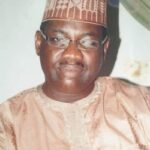
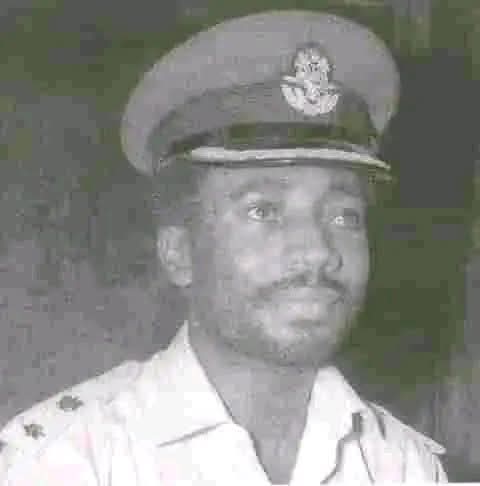
George Tamunoiyowuna Kurubo (1934–2000) was a distinguished military officer and diplomat from Rivers State, Nigeria. He was the first Nigerian appointed Chief of Staff of the Nigerian Air Force.
Kurubo attended the prestigious Government College, Umuahia, Abia State, before proceeding to the Royal Military Academy, Sandhurst, for his military training. He was commissioned as a Second Lieutenant in 1956 and soon became a platoon commander. Between 1957 and 1965, he held various command positions in the Nigerian Army. In 1964, he transferred from the Army, where he had risen to the rank of Lieutenant Colonel, to the newly formed Nigerian Air Force. By January 1966, he became the first indigenous Chief of the Air Staff.
From January to July 1966, Kurubo served as a member of the Supreme Military Council and the Federal Executive Council. On 12 August 1967, he was appointed Nigeria’s Ambassador to the Soviet Union, a post he held until 1973. During this period, in 1970, he was promoted to Brigadier General. Later, from December 1974 to 1975, he served as Nigeria’s Ambassador to Iran, also accredited to Ankara.

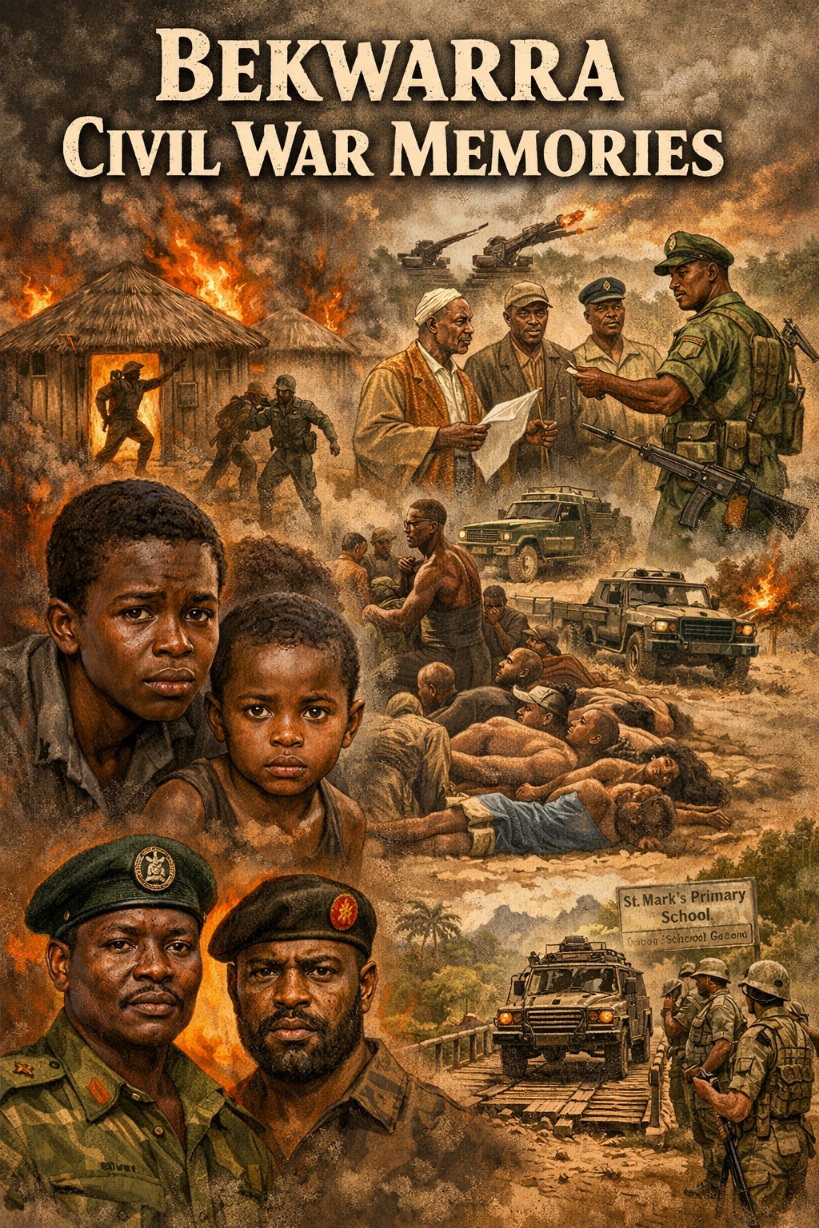
Kurubo’s loyalty to the unity of Nigeria was evident during the Nigerian Civil War. Though he initially served as the Eastern Commander of Logistics, he rejected the secession of Biafra declared by Colonel Chukwuemeka Odumegwu Ojukwu on 27 May 1967. He defected from Biafra to the Federal Government, reinforcing his commitment to national unity.
This loyalty was further emphasized in an interview with the Daily Times on 6 September 1967, where he firmly dismissed rumors of his involvement with the rebel cause:
Daily Times Reporter:
“Air Commodore Kurubo, there have been rumors circulating that you joined the rebel cause. What do you have to say to Nigerians today?”
George Kurubo:
“I want to make it absolutely clear: I was not a rebel officer. My loyalty has always been to Nigeria, to the Federal Government, and to the Air Force I command. These stories are false, and they are designed to sow confusion.”
Reporter:
“Some claim your movements during the crisis suggested sympathy for Biafra. How do you respond?”
Kurubo:
“My duty as Chief of Air Staff requires me to travel, to coordinate, and to ensure the Air Force remains disciplined. Misinterpretations of my actions have been twisted into accusations. I reject them completely. I have never betrayed my oath.”
Reporter:
“What message do you have for Nigerians who are unsettled by these rumors?”
Kurubo:
“I urge all Nigerians to stand firm. Do not be swayed by propaganda. The Air Force is loyal. I am loyal. We are united under General Gowon’s leadership. Our mission is to defend Nigeria’s unity, not to divide it.”
Reporter:
“Finally, what do you say to those who doubt your allegiance?”
Kurubo:
“I say this: judge me by my service, not by rumors. I remain committed to the Federal Republic. Nigeria must endure, and I will play my part in ensuring it does.”
After retiring from the military on 19 August 1975, Kurubo continued to serve Nigeria in civilian roles. In 1977, he became Chairman of the Bonny Local Government Area’s Management Committee. From 1977 to 1978, he was a member of the Constituent Assembly that laid the foundation for Nigeria’s Second Republic.
Conclusion:
Brigadier George Tamunoiyowuna Kurubo’s career reflects a life of pioneering service, loyalty, and dedication to Nigeria. As the first indigenous Chief of the Air Staff, a diplomat to major world powers, and a statesman in Nigeria’s political development, his legacy remains a significant chapter in the nation’s history. His public defense of loyalty during the Civil War further cemented his reputation as a soldier committed to unity and service above personal gain.