By Agbonmagbe Kazeem
Not many Nigerians remember this…
In the year 2000, something extraordinary happened in Nigeria.
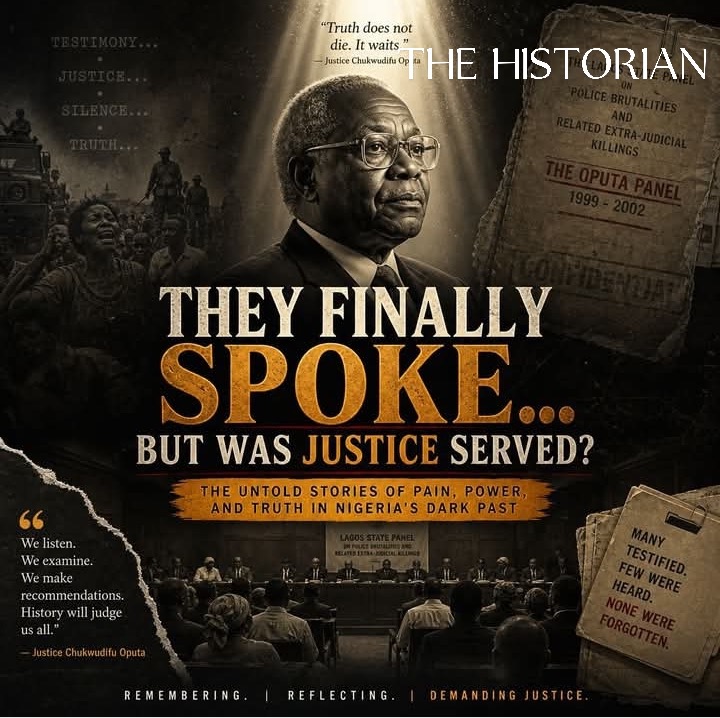
A panel was set up — officially called the Human Rights Violations Investigation Commission but Nigerians simply called it the Oputa Panel, named after its chairman, retired Justice Chukwudifu Oputa.
Its mission was breathtaking in its ambition.

For the first time in Nigerian history, the government was going to investigate itself. Every human rights abuse committed under military rule — from 1966 to 1998 was going to be examined. Victims were going to speak. The powerful were going to answer.
And the hearings were broadcast live on national television.
Nigerians sat in their homes and watched. They watched victims — people who had been tortured, imprisoned, silenced finally get a chance to speak. The country held its breath.
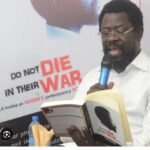
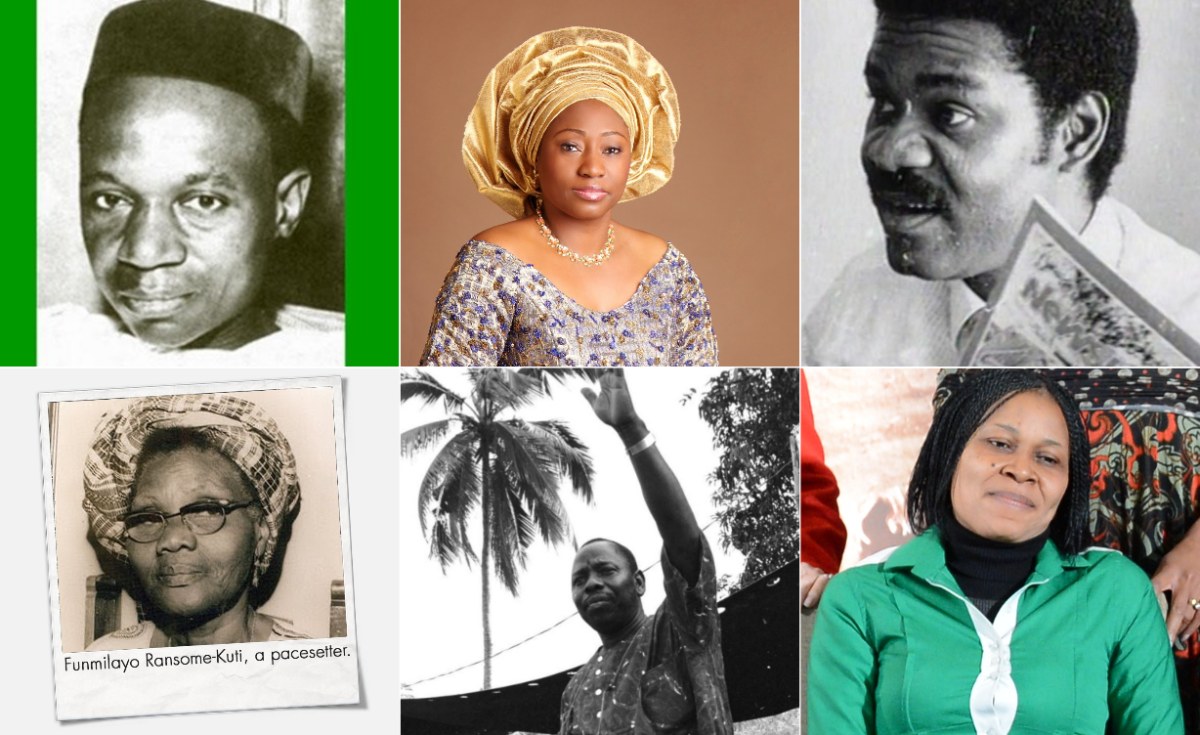
Three journalists alone appeared before the panel and described what had been done to them. Kunle Ajibade of The News, Ben Charles Obi and George Mba of Tell magazine. All three had been sentenced to 25 years in prison — accused of involvement in a coup plot that many believed never existed, simply because they refused to stop writing the truth under Sani Abacha’s dictatorship.
Twenty-five years. For journalism.
But the most electric moment came when the panel turned its attention to Dele Giwa.
Dele Giwa was the founding editor of Newswatch magazine — one of the most fearless journalists Nigeria ever produced. On October 19, 1986, a parcel bomb was delivered to his home in Lagos. It exploded in his hands. He died hours later.
He was the first journalist in the world to be assassinated by a parcel bomb.
The fingers of suspicion pointed in one direction at General Ibrahim Babangida, the military head of state who ruled Nigeria at the time. Babangida’s own security chief had visited Giwa just one day before the bomb arrived.
The Oputa Panel summoned Babangida to come and answer questions.
He refused.
They summoned him again.
He refused again.
They summoned two other former military heads of state — Muhammadu Buhari and Abdulsalami Abubakar.
They all refused.
No consequences, No arrest, No accountability.
Former President Obasanjo to his credit appeared before the panel twice in person and urged the former military rulers to do the same. They ignored him.
And when the Oputa Panel finally wrapped up its work in October 2001, after hearing some of the most painful testimonies in Nigerian history its report was submitted to the government.
That report was never officially released to the public.
For years it gathered dust. The recommendations were never implemented. The perpetrators walked free. Dele Giwa’s murder remained and still remains today officially unsolved.
Nigeria had built a truth commission. Victims had spoken. Evidence had been presented. The nation had watched.
And then, nothing.
They gave Nigerians a panel instead of justice. A hearing instead of accountability. A report that nobody was allowed to read.
Some wounds were never meant to heal. They were just meant to be managed.
GOD HELP NIGERIA
“THE HISTORIAN”