By Idowu Ephraim Faleye +2348132100608
Nigeria is finally doing what it has avoided for more than 70 years. For decades, the country has understood many of its core problems, yet it kept delaying real action. The issue has never been a lack of ideas or plans. It has always been the failure of previous governments, and lack of political will to implement what was already known. That single gap between knowledge and action has shaped Nigeria’s journey more than anything else.
Today, many Nigerians are reacting strongly to reforms, questioning policies, and debating the direction of governance. That is normal in any democratic system. But a more important question sits quietly beneath all the noise. Are these policies truly new, or are they long-delayed decisions that have been discussed for generations?
When you look at Nigeria through history and simple data patterns, the answer becomes clearer. The country has repeatedly identified its problems, documented solutions, and then hesitated at the point of execution. This pattern has repeated itself across different governments, different leaders, and different economic conditions. It is not an opinion; it is a consistent national behavior.

Since the 1950s, Nigeria has held serious discussions about its structure, governance model, and economic direction through numerous government-constituted conferences. These were not casual meetings. They involved experts, policymakers, political leaders, and representatives of the people. They studied the system, identified weaknesses, and proposed changes.
Yet, the same issues raised decades ago are still with us today. Power remains heavily concentrated at the center. States are still largely dependent on federal allocation. Revenue sharing continues to create imbalance. The system often discourages productivity instead of rewarding it. Security remains too centralized to respond effectively to local realities.
If you track these issues across time, the pattern is difficult to ignore. Different administrations, different economic climates, yet the same structural concerns keep appearing. That tells you something important. Nigeria has never really struggled to understand its problems. It has struggled to act on them.
Think of it like a patient who keeps visiting doctors but never follows treatment. Each doctor gives similar advice based on the same diagnosis. But the patient delays, avoids, or abandons the treatment. Over time, the condition remains and may even worsen. That is a simple way to understand Nigeria’s long-standing governance challenge.
Over the years, several governments made efforts to address these issues. Conferences were organized, committees were formed, and detailed reports were written. These processes were not useless. They produced valuable insights and clear recommendations that could have reshaped the country.
From political reform conferences to national constitutional discussions, including those held during military regimes, Nigeria has had no shortage of ideas. These gatherings provided direction and clarity on what needed to change. But the real problem always appeared at the same point—implementation.
Again and again, these recommendations were set aside. Not because they lacked merit, but because they were difficult to execute. They challenged powerful interests, disrupted existing structures, and required leaders to make tough decisions that could bring short-term discomfort. So the cycle continued. Discussion, debate, documentation, and delay. Nigeria became very good at talking about its problems, but slow in solving them.
Now, however, something different is unfolding. Instead of repeating the cycle of endless discussions, there is a visible shift toward action. Policies are being introduced that directly confront the same structural issues that have been identified for decades.
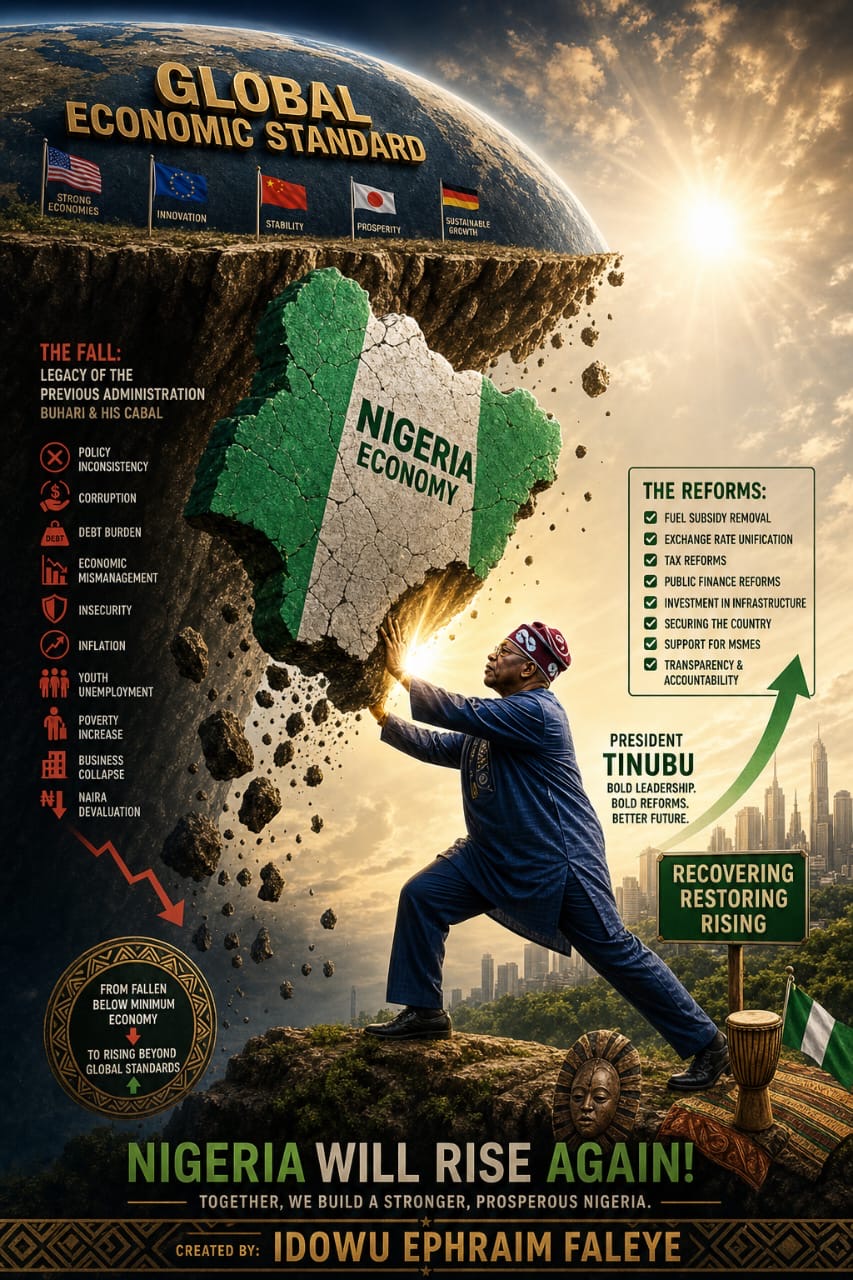
Take fiscal policy as a clear example. For years, analysts warned that the fuel subsidy system was unsustainable. It drained public resources and limited the ability of states to grow independently. That conversation is not new. Today, that system is being dismantled. People feel the impact, and many disagree with how it is being handled. But from a policy standpoint, the direction follows long-standing recommendations. It is not a sudden idea; it is delayed action.
The same applies to exchange rate management. Multiple exchange rates created confusion, reduced transparency, and discouraged investment. Experts have long argued for a unified system. Now, that change is taking place. Tax and revenue reforms also follow this pattern. Nigeria has struggled with low tax efficiency and heavy dependence on oil revenue. These weaknesses have been highlighted repeatedly over the years. Today, there is a push to build a more stable and sustainable revenue system.
Local government autonomy is another area gaining attention. For a long time, local governments have lacked financial independence, limiting their ability to deliver basic services. Now, there is a stronger effort to change that reality and strengthen governance at the grassroots level.
When you connect all these reforms, a clear pattern appears. They are not random decisions. They are rooted in long-standing analysis and recommendations. They reflect a shift from knowing the problem to finally confronting it. However, public reaction remains intense, and that is understandable. When policies affect daily life, people respond quickly. Prices rise, costs increase, and adjustments become necessary. These realities create pressure and discomfort.
So people ask, “Why is this happening?” It is a fair question. But the answer cannot be found by looking at today alone. It requires understanding the past. What Nigeria is experiencing now is not just the result of current decisions. It is the accumulated effect of many years of delay. Reforms that should have been introduced gradually are now being implemented within a shorter time frame. Because of that, the impact feels sharper. But that does not automatically mean the reforms are wrong. It may simply mean the country is now paying the price for postponing difficult decisions for too long.
If you study Nigeria’s economic history, a pattern becomes clear. There are long periods where weak systems are maintained because they feel stable. Such weak systems include, borrowing to stabilize exchange rate, borrowing to pay petroleum subsidy, dependence on single source of income and avoiding tax reform, printing of Nigeria currency arbitrarily to cushion the effects of harsh economy on the citizens. Then, when correction becomes unavoidable, the changes happen quickly and feel disruptive.
The longer the delay, the stronger the correction. This is not unique to Nigeria. Many countries have faced similar situations. The key difference is how they respond when change finally begins. Do they return to old habits because they feel comfortable, or do they continue forward because they understand the long-term benefit? That is the real choice.
Nigeria is at that point now. Yes, things are difficult. But it is important to ask why. When a system is built on imbalance, inefficiency, and dependence, it may appear stable for a while. But eventually, reality demands correction. When that correction begins, it rarely feels comfortable. This is where many people misunderstand governance. They expect improvement without adjustment and change without discomfort. But real reform almost always comes with short-term challenges.
That does not mean policies should not be questioned. In fact, criticism is necessary in a democracy. But it should be informed criticism, not just emotional reaction. Instead of asking only, “Why is this affecting me now?” it is more useful to ask, “What long-term problem is this trying to solve?” Instead of saying, “Things were better before,” it is worth asking whether the country was simply delaying the real cost.
This shift in thinking matters. Governance is not just about making decisions; it is about making informed decisions that balance present realities with future stability. Nigeria is no longer just reacting to problems. It is beginning to address structural issues that have existed for over 70 years. That is a major shift, even if it is not easy. It requires patience, understanding, and a willingness to see beyond immediate discomfort. It also requires trust in the process of reform, even when results are not instant.
Sustainable progress is not built on quick fixes. It is built on consistent, sometimes difficult decisions that correct deep-rooted problems over time. What is happening now suggests that Nigeria is moving away from endless discussions toward actual implementation. That is a serious change in direction. Of course, there will be resistance and doubt. That is normal in any reform process. But those reactions do not change the underlying reality.
For decades, Nigeria has identified its problems. Now, it is beginning to act on them. So the real question is not just whether things are hard today. The real question is whether the country is finally dealing with the root causes of its long-standing challenges. If the answer is yes, then this moment is more than just another political phase. It is a turning point. And turning points are rarely comfortable, but they are necessary for progress.
At this stage, it is important to step back and look at the bigger picture. Look at the history, the patterns, and the direction of current policies. Then ask a simple question: are these reforms addressing the same issues Nigeria has been discussing for decades? If the answer is yes, then the conversation should move beyond reaction. It should focus on understanding and long-term outcomes. Because the goal is not just to manage today’s challenges. The goal is to build a system that works better for future generations. That requires courage from both leaders and citizens. The courage to question assumptions, to seek clarity, and to support difficult but necessary change.
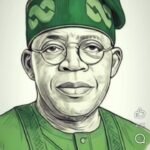
In sum, President Bola Ahmed Tinubu’s reforms are not random experiments; they are deliberate steps toward correcting long-identified structural weaknesses in Nigeria’s governance and economy. The direction may be tough, and the impact may be immediate, but the intention is clear—build a stronger, more sustainable system that benefits not just today’s citizens but future generations.
If Nigeria must finally break away from decades of delay and half-measures, then continuity matters. Supporting the continuity of Tinubu’s reforms is not just about politics; it is about giving Nigeria a real chance to complete what it has started and move forward instead of slipping back into the comfort of an unsustainable past.
*Idowu Ephraim Faleye is a political analyst and freelance writer focused on governance, public policy, and public service delivery. +2348132100608*