

By Okoi Obono-Obla
Akpa Interconnections: Language, Culture, and History Across Nigeria and Beyond:
On Monday, 1 June 2026, I received a message on Facebook Messenger from Ellie Yari of Ogbia Local Government Area, Bayelsa State, Nigeria. It was a revealing reflection on the complexities of this country and the deep interconnectedness of its peoples. Although we often assume we are different, we are in fact interlocked, intertwined, and bound together in ways we have yet to fully unravel. Unfortunately, anthropologists, geographers, historians, ethnographers, and linguists have not been entirely fair to us. Their failure to research the ties that bind has left us with guesswork, or with the limited studies conducted by European scholars during colonialism—studies framed through a Eurocentric lens rather than an Afrocentric approach that could have resonated with our historical and environmental experiences.
Ellie Yari wrote:

*”Hello sir, my name is Daniel. I am from Bayelsa State. I have been following you on Facebook for a long time, especially since I saw your interest in Akpa history. I know you are from Ugep. I am from a kingdom called Ogbia in Bayelsa State, and we are of Akpa descent. Not only that, we still speak the language. We’ve been able to identify the Yakurr people as one of our Akpa relatives, as well as a host of others in Cross River, Abia State, Akwa Ibom, Ebonyi, and Southwestern Cameroon.
The Ogbia people speak the ‘Central Delta language,’ described by most linguists as a Delta-Cross sub-branch alongside Ogoni, Lower Cross, and Upper Cross River. Almost all the names of the towns that make up Yakurr can be interpreted in Central Delta language spoken in Ogbia and among our relatives in Rivers State. Abam, Abiriba, Ohafia, Item, Otutu, etc., in Abia State are also Akpa, though they are yet to know their history.
We still share much in culture and language. For instance, the wrestling rhythm of the Central Delta speakers is also played in Ugep, whose Akpa name is Umor. It is also played by those I mentioned in Abia and Edda/Afikpo in Ebonyi, and others still in Cross River.”*
The Ogbia language (also known as AgBeya, Abaya, or Ogbinya) is a Central Delta language spoken by approximately 200,000 to 420,000 people, primarily in Ogbia Local Government Area of Bayelsa State. It holds cultural and historical significance as the language of Oloibiri, where crude oil was first discovered in Nigeria. Three major varieties are identified: Anyama, spoken in the Anyama clan, and Agholo, spoken in the Kolo group area. Notably, former President Goodluck Jonathan hails from Ogbia. Yet, as Mohammed Doka once suggested, Jonathan is often assumed to be of Ijaw ethnicity—an example of the frequent mix-ups and assumptions about Nigeria’s ethnic composition, heritage, and identity. This demonstrates the mosaic complexities of the country, which often defy the works of ethnographers.
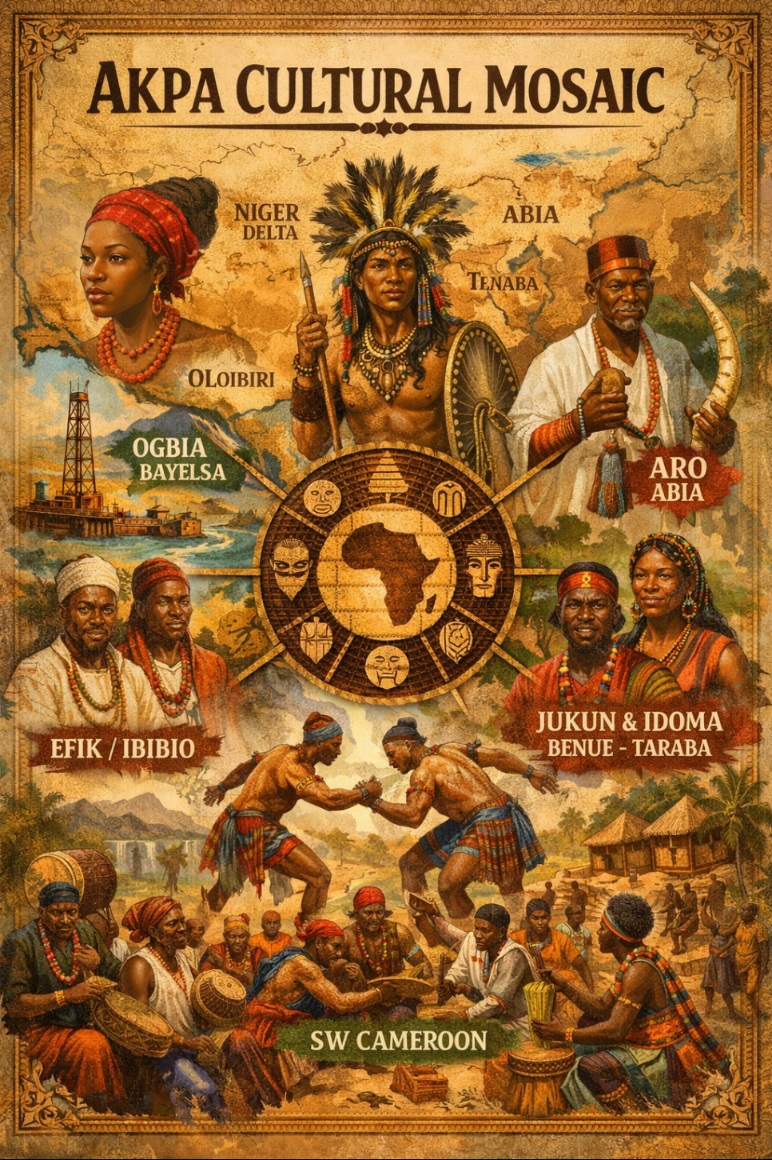
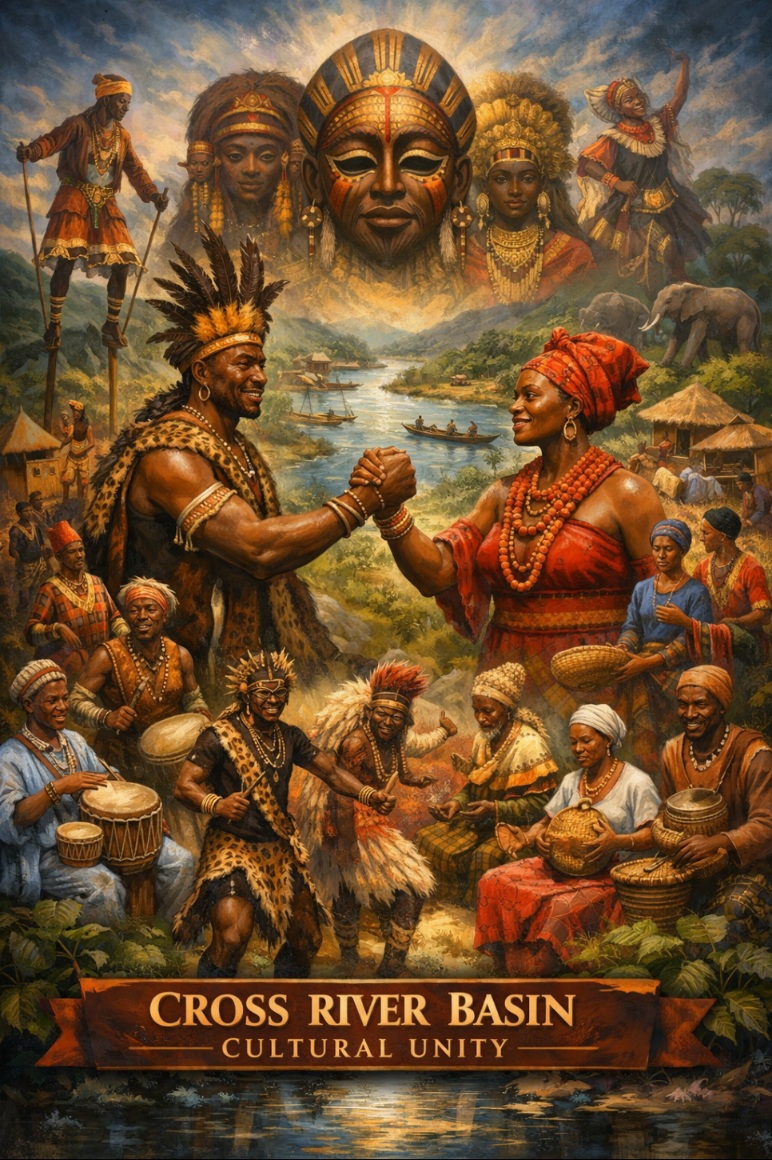
The Akpa people appear to be a foundational group whose traditions and affinities are shared with the Ibibio and certain Igbo groups, alongside indigenous peoples connected to the Aro confederation. The Yakurr people, Aro traditions, and groups such as the Idoma and Jukun, extending into Southwestern Cameroon, all share in Akpa heritage and cultural continuity. The Ogbia, as Ellie Yari emphasized, are part of this Akpa lineage, preserving language, rhythm, and cultural practices that bind them to relatives across Nigeria and beyond.
Conclusion:
The testimony of Ellie Yari underscores the importance of revisiting our histories from an Afrocentric perspective. The Akpa legacy is not confined to one group but is a thread weaving through multiple ethnicities and regions, from Bayelsa to Cross River, Abia, Ebonyi, Akwa Ibom, Benue, Taraba, and even Cameroon. The Ogbia people, through their language and traditions, stand as living evidence of this interconnected heritage. To understand Nigeria’s cultural mosaic, scholars must look beyond colonial frameworks and embrace the indigenous narratives that reveal how deeply intertwined we truly are.











Thanks very much for the narrative more work is needed in this direction equally to call on those who have traced to Akpa people.