By Okoi Obono-Obla
There is a serious problem in our country arising from a lack of knowledge about the roles and responsibilities of the three tiers of government—namely the Federal, State, and Local Governments—as well as members of the State and National Assemblies. This ignorance often leads to confusion and misplaced blame.
For instance, I recently read a social media post complaining about the failure of a member of the House of Representatives to develop primary and secondary schools, health centres, roads, and other social amenities in Yakurr Local Government Area of Cross River State. Such a complaint reveals a fundamental misunderstanding of the elementary structure of government.
When some of us demand transparency and accountability at the Local Government Council level, we are insulted, abused, and dismissed by the same voices that ignorantly heap blame on legislators. The truth is that our representatives in the Senate, House of Representatives, and State Assemblies are not responsible for ensuring functional schools, boreholes, street lights, electricity, and other social amenities. These are constitutional responsibilities of the State and Local Governments. Legislators are lawmakers, just like councillors. Their role is to contribute to the legislative process by making good laws that promote development at the federal, state, and local levels—no more, no less.

However, I do not entirely blame the people for this misunderstanding. Legislators themselves sometimes play to the gallery, creating the impression that they are elected to provide social amenities. This misrepresentation backfires during election seasons, when citizens judge them wrongly for failing to deliver projects that are not within their mandate. Legislators must therefore take responsibility for educating the public candidly and truthfully about their constitutional roles, rather than perpetuating false expectations.
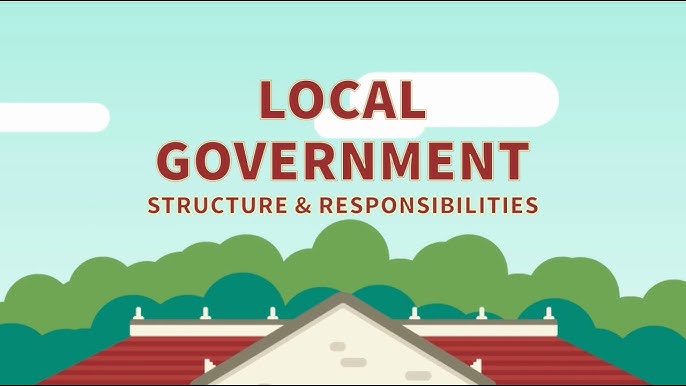
The people must understand that the hub for driving local development and providing basic social amenities lies with our Local Government Councils. Legislators should focus on their core duty of lawmaking, while citizens hold the appropriate tier of government accountable for service delivery.
Conclusion:
For Nigeria to progress, we must collectively demystify the roles of government. Legislators should stop playing to the gallery and instead enlighten the people. Citizens, on their part, must demand accountability from the right institutions—especially Local Government Councils—where the responsibility for grassroots development truly lies.