By Great Imo Jonathan
There are two types of politicians in Nigeria. The first type enters politics to make money. Bola Tinubu, Nyesom Wike, Dave Umahi, Yari, Gbajabiamila, Soludo, Festus Keyamu, and others like them fall hi into this category. They became wealthy in politics and can kill for politics. The second type makes money before entering politics, so that politics cannot make him.
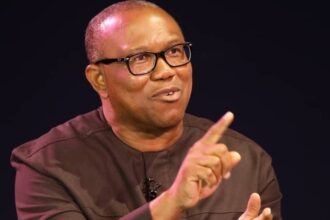
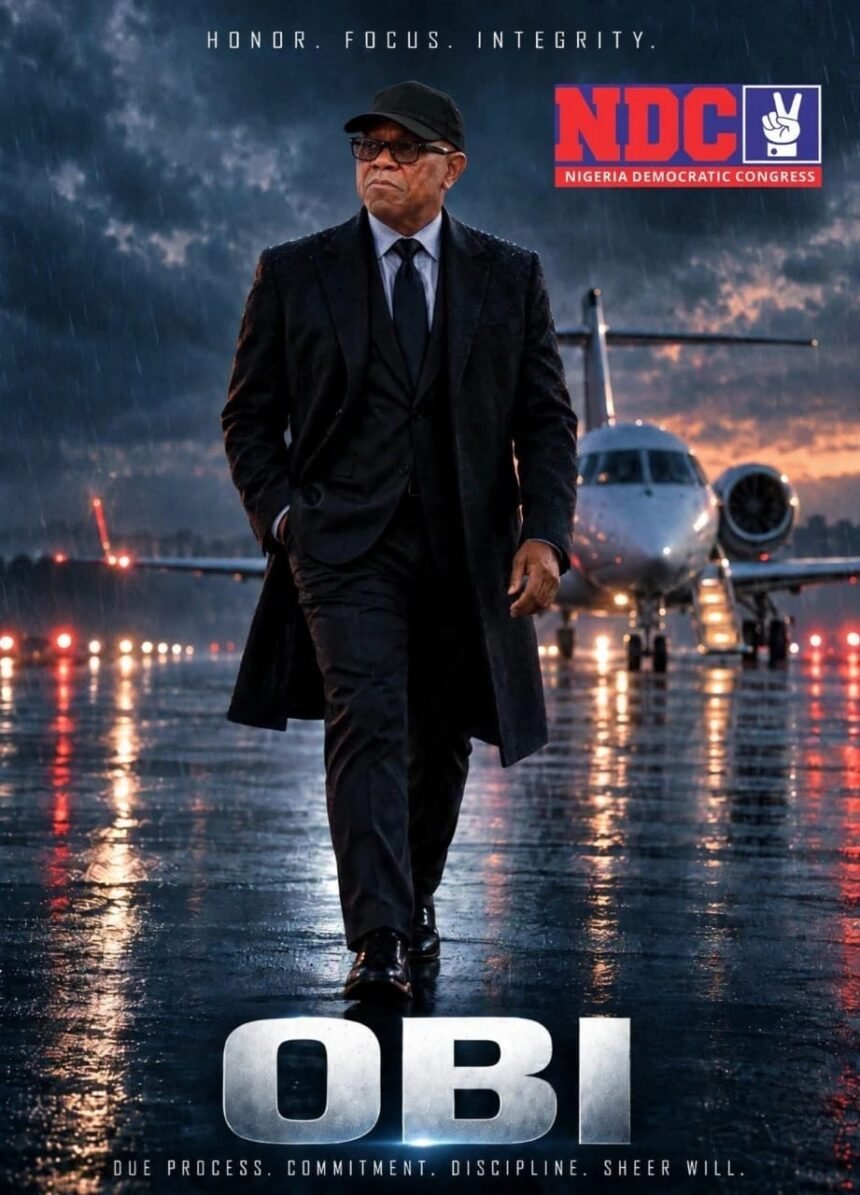
Mallam Peter Obi, belongs to the second type. And that is why he is different from Bola Tinubu and the average Nigerian politician.
He liberated himself from poverty before he ever dreamt of Government House.

Obi did not inherit a billion naira oil bloc. He inherited his father’s small trading business in Onitsha. Years after his father died, young Peter took over the family shop in the late 1970s and early 1980s. While his mates were looking for government jobs, he was learning the first lesson of trade: buy low, sell honestly, save your profit.
That lesson became an empire.
In 1988, at just 27 years old, he formalized what he had learned on the shop floor and incorporated *Next International Nigeria Limited*. He started as an importer and distributor of fast-moving consumer goods, electronics and luxury brands. He was not just selling goods; he was building a retail revolution that would later become Next Cash and Carry, the largest indigenous supermarket chain with stores in Abuja, Lagos and Port Harcourt.
From trading, he understood the need for global reach. On *May 16, 1996*, he incorporated *Next International (UK) Limited* in London, with his wife Margaret as Secretary. While other traders were struggling with foreign exchange, Obi had created a direct supply chain from Europe to Nigeria.
But a trader who only trades will remain small. Obi wanted to build institutions.
In 1994, at just 34 years old, Peter Obi became Chairman of Fidelity Bank Plc. He was the youngest Chairman of any bank in Nigeria’s history. At that time Fidelity was a small, Tier-3 regional bank that nobody took seriously.
Obi applied trader’s discipline to banking. He cut waste, enforced savings, and introduced corporate governance that was alien to Nigerian banking at that time. By 2000, he had taken Fidelity from Tier-3 to Tier-2. He wrote the blueprint that took Fidelity public in 2005. Today Fidelity is a Tier-1 bank, paying dividends for 17 years straight without ever needing a CBN bailout, even when bigger banks collapsed. And Obi remains its largest individual shareholder.
That is not politics. That is capacity.
While Tinubu was building political godfatherism in Lagos, Obi was building businesses that employed Nigerians.
He became: Chairman of Guardian Express Mortgage Bank Ltd (Early 1990s – 2006). Chairman of Guardian Express Bank Plc (1990s – 2006). Chairman of Future View Securities Ltd (1990s – 2006), a stockbroking firm. Chairman of Paymaster Nigeria Ltd (1990s – 2006), payroll and financial services. Director of Chams Nigeria Ltd, Data Corp Ltd, Card Centre Ltd, and Emerging Capital Ltd (1990s – 2006), at the forefront of Nigeria’s computerization and smart card revolution.
By the time he resigned all directorships in 2006 to obey the Code of Conduct law upon becoming Governor of Anambra State, he had already built an empire that did not need government contracts to survive.
He did not need politics to feed. Politics needed him to save it.
This is the difference.
The average Nigerian politician, like Tinubu, sees politics as an investment. You spend billions to capture power, then you use power to recover your spending and make profit. It is greed that never ends. That is why they grab, snatch and run. That is why they cannot declare their assets. That is why they see public treasury as private inheritance.
Mallam Peter Obi conquered that greed long before 2002 when he entered politics.
When you have built your own businesses from 1984 to 2006 without government patronage, when you have paid salaries from your own sweat for 20 years, you understand that government money is not your money. You understand that N1 billion saved for the people is better than N1 billion shared to party loyalists.
That is why when he became governor, he did not borrow for 8 years. He did not steal land. He did not build Alpha Beta to collect state taxes into his private pocket. He left $156 million and N35 billion in savings. He left investments. He left no debt.
He set a standard that no Nigerian politician has matched: *If you are not richer before entering government, you will steal in government.*
Obi was already rich. So he could be humble. So he could fly economy. So he could carry his own bag. So he could kneel to greet ordinary Nigerians. So he could insist on due process, because in business, due process is what keeps you from bankruptcy.
Mallam Obi came with love for the ordinary people because he was once an ordinary trader who struggled to clear goods at the wharf. He knows what it means when the dollar rises. He knows what it means when a shop does not make sales.
He brought humility and decorum because a trader who insults his customer will close shop.
He brought due process because a businessman who does not audit his accounts will fail.
Tinubu and his inculcated and greedy generation like Wike, Umahi, Soludo, Gbajabiamila and their likes brought politics of entitlement, of “it is my turn.” Mallam Obi brought politics of stewardship, of “I am accountable to you.”
He liberated himself from poverty so he could liberate Nigeria from poor thinking. He conquered greed so he could teach Nigeria contentment. He built before he came, so he did not need to steal after he came.
That is the empire that politics cannot destroy.
That is why the trader will always be greater than the so-called landlords of Lagos politics.
We challenge Bola Tinubu to tell us the history of his wealth before politics if he had any.
Great Imo Jonathan
VOTE FOR NDC FOR A PROSPEROUS NIGERIA