By Okoi Obono-Obla
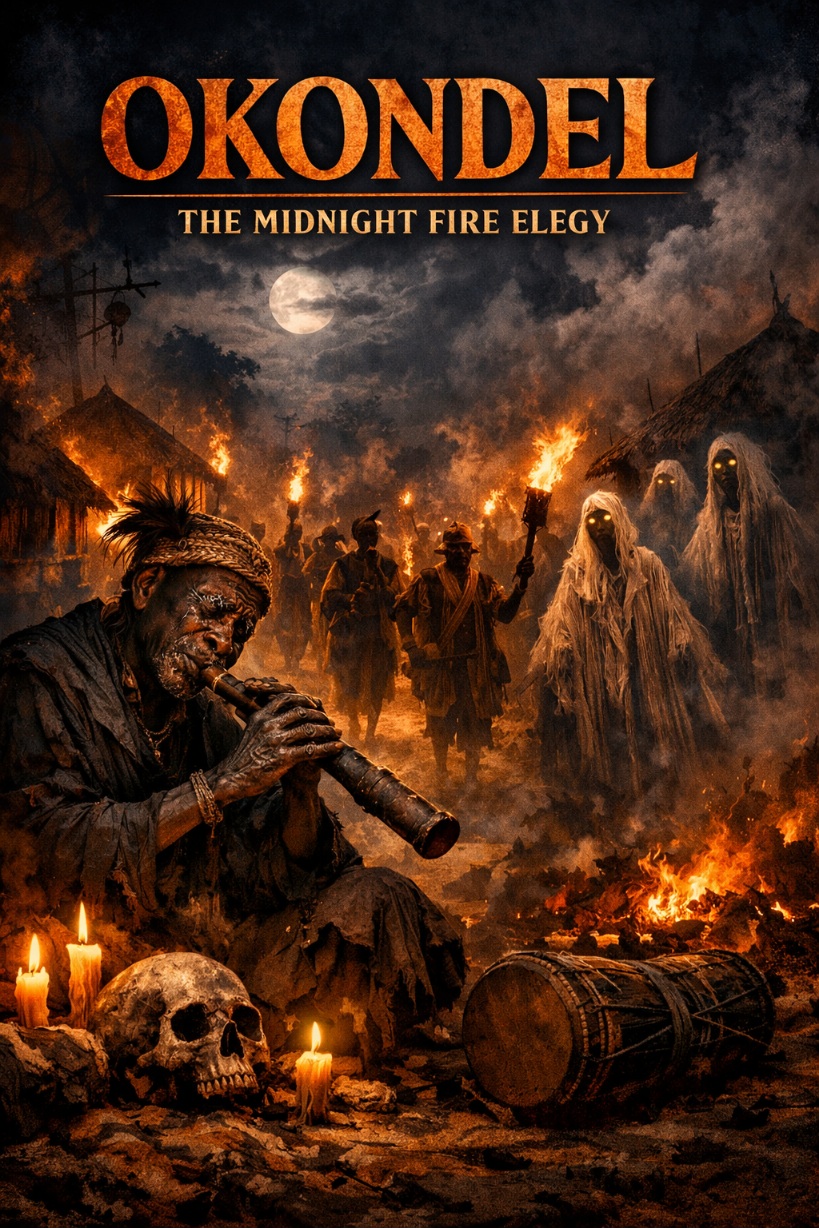
The Okondeh is one of the activities heralding the celebration of the Leboku (New Yam Festival) in Ugep, Yakurr Local Government Area of Cross River State. It usually takes place two days before Leboku, which itself is a month-long affair. This year, Okondeh will be held on 20 August 2026. The word Okondel, translated from Lokaa to English, means Midnight Fire.
Before Okondeh begins, a general warning is issued for everyone to put off their lighting systems by midnight. A curfew is observed at the same time, when the flute (Ewongwong) and members of the Okondeh start their procession. As children, we feared Okondel greatly, for it invoked an eerie atmosphere. Ironically, the fear it inspired was the direct opposite of its literal meaning. We believed it was the night when the ghosts of dead ancestors awoke from their graves to roam the streets, ready to take away anyone who dared to go out once the flute began to play.
The sorrowful, meditative, and melancholic sound of the flute is a lamentation. It expresses grief mingled with joy — the paradox of crying over something good. While the festival itself is joyous, the flute laments that loved ones who have passed on cannot join in the celebration. The flute player’s sobbing and agonizing over the death of a dear child, and the cruel fate life has dealt him, transports listeners into a realm of spirituality. His lamentation becomes a prayer, expressing sorrow, pain, and confusion. The pathos generated by the poetic flute is enough to rend the heart of even the most stoic soul. It is, in essence, a tribute to departed relations.

The Okondeh is a traditional African elegy. In modern literature, an elegy is a poem of serious reflection, typically a lament for the dead. On the day following Okondeh comes Janen Boku (the Festival of Women). In the morning, men prepare food for guests they have invited, feasting and praying in memory of their departed mothers. Celebratory gunshots are fired as a tribute to honor them.
Conclusion
The Okondeh, with its haunting flute and midnight rituals, is more than a cultural prelude to Leboku. It is a profound elegy — a communal reflection on mortality, memory, and the paradox of joy and sorrow. Through its eerie yet spiritual atmosphere, it binds the living to the departed, reminding the community that celebration and lamentation are inseparable threads in the fabric of human destiny.