By Okoi Obono-Obla
Cabo Verde: Small Nation, Big Impact
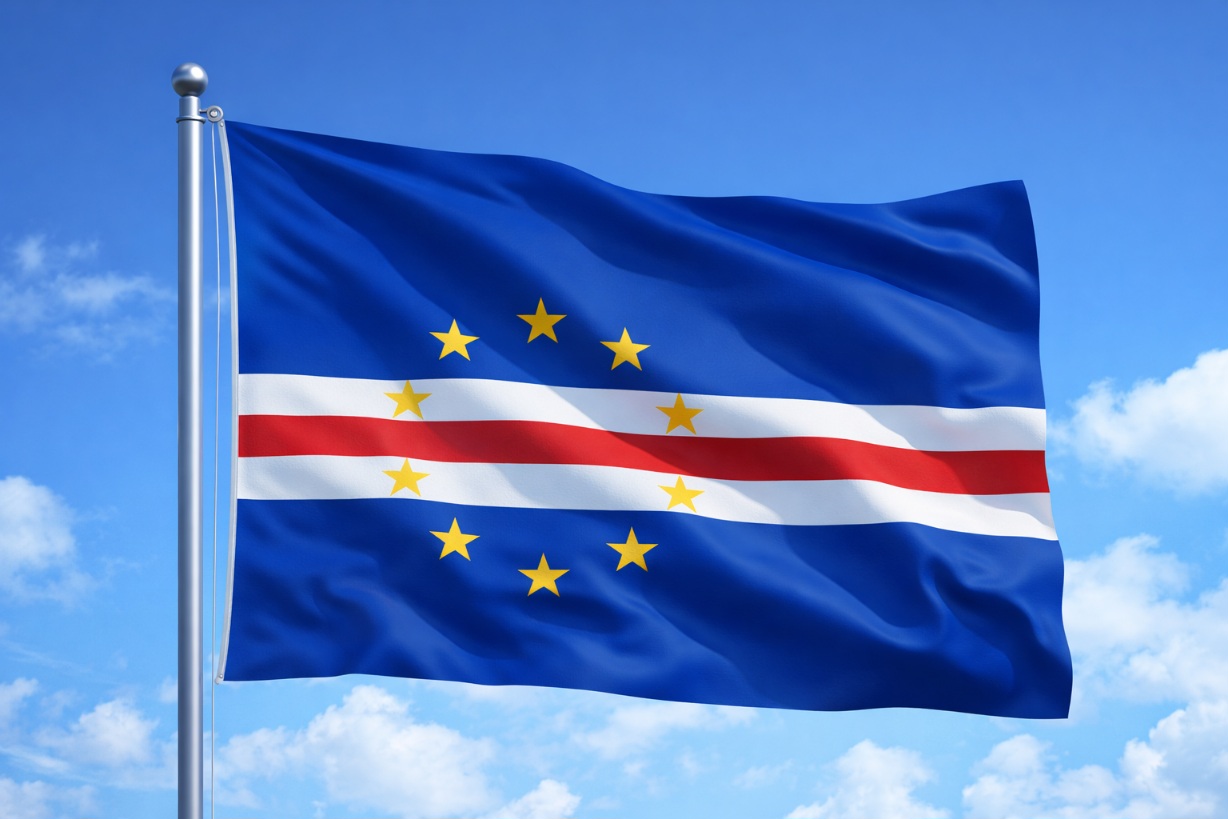
The country known as Cape Verde, or Cabo Verde, is rarely in the news but has suddenly become the cynosure of global attention due to its participation in the ongoing FIFA World Cup hosted across the United States, Canada, and Mexico. As a debutant and one of the smallest nations in the tournament, Cabo Verde has surprised many by putting up a strong showing, including drawing against elite footballing powers such as Spain and Uruguay.
Cabo Verde is an island nation comprising ten islands in an archipelago located in the central Atlantic Ocean, about 570 kilometers off the coast of Senegal. The islands were uninhabited until the mid-15th century, when Portuguese explorers discovered them and transformed the territory into a hub for the transatlantic slave trade.

Today, Cabo Verde has a population of roughly 611,000 (2024 estimate), with about half being of Creole descent — a blend of African and Portuguese heritage. Portuguese is the official language, alongside Cape Verdean Creole. The nation gained independence from Portugal in 1975 after a liberation struggle, joining forces with independence advocates from neighboring Guinea-Bissau. Although there were initial plans to form a union with Guinea-Bissau, political turmoil derailed the idea.
Economically, Cabo Verde is classified as a middle-income nation, with a GDP of about $5.2 billion (2024 estimate) and a per capita income of $9,900. Its economy is driven primarily by services (69.4% of GDP), especially tourism, which thrives on pristine beaches, volcanic landscapes, and rich cultural heritage. Other sectors include fishing, salt mining, agriculture (bananas, sugarcane, livestock), and light industry. However, challenges persist, including high youth unemployment (28.2%), water scarcity, and dependence on imports and foreign aid.
Cabo Verde is a member of the United Nations, African Union, and World Trade Organization (since 2008), underscoring its integration into global affairs. The country continues to focus on climate resilience and sustainable development, given its vulnerability to droughts and rising sea levels.
A significant portion of Cabo Verde’s economy also depends on remittances from its large diaspora, particularly in the United States, Portugal, and other European countries. Interestingly, the diaspora population exceeds the domestic population, a result of severe droughts in the 20th century that claimed more than 200,000 lives and forced mass migration. Notably, the grandmother of Portuguese football legend Cristiano Ronaldo hails from Cabo Verde, further linking the nation to global football heritage.
Conclusion
Cabo Verde’s World Cup debut is more than just a sporting milestone; it symbolizes the resilience and global presence of a small island nation with a rich history and vibrant culture. From its colonial past to its modern economic challenges and triumphs, Cabo Verde continues to punch above its weight on the world stage.