by Abiodun Oyewo
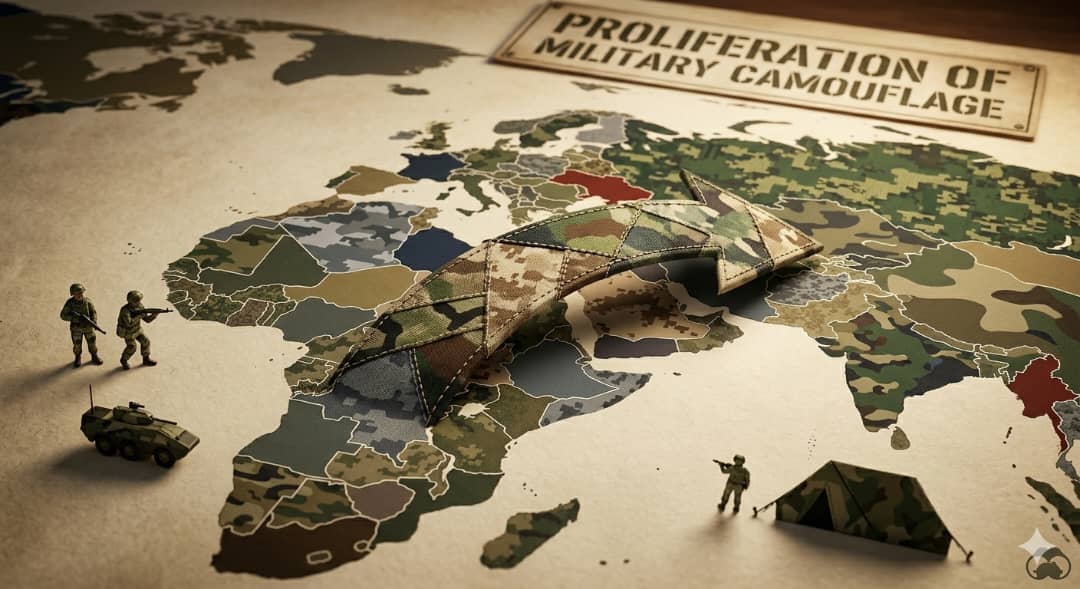
The increasing proliferation and misuse of military camouflage by unauthorized persons has become a serious national security concern in Nigeria. In many coordinated attacks across the country, criminals and bandits have successfully disguised themselves as military personnel, thereby creating confusion, delaying resistance from citizens, and making it difficult for communities to respond promptly during attacks.
Most Nigerians naturally fear or respect individuals dressed in military camouflage. Because of this, attackers wearing such uniforms are often mistaken for genuine soldiers during the early stages of attacks. Unfortunately, victims and residents usually realize after several minutes that the attackers are actually bandits or insurgents, by which time severe damage may already have been done.
This pattern became more noticeable after the infamous 2014 Chibok schoolgirls abduction, where insurgents reportedly used deceptive appearances and tactics to gain access and operate freely. Since then, several attacks on schools and communities across Nigeria have followed similar patterns of confusion and delayed reaction.

Recent school-related security scares and attacks in Ogbomoso and surrounding communities in Oyo State further exposed the level of fear and vulnerability among citizens. Reports indicated that panic spread across schools and communities following rumours and incidents linked to suspected bandits around school environments, causing students and residents to flee.
Nigeria has witnessed repeated attacks on educational institutions over the years, including:
– Chibok Girls abduction in Borno State (2014)
– Kankara schoolboys abduction in Katsina State (2020)
– Jangebe schoolgirls kidnapping in Zamfara State (2021)
– Bethel Baptist School attack in Kaduna State (2021)
– Recent attacks and abductions linked to schools in Oyo and other northern states.
One major challenge during such attacks is the inability of civilians to immediately challenge armed persons dressed in military camouflage. This loophole has continuously been exploited by criminal elements.
Therefore, it has become necessary for the Commander-in-Chief of the Armed Forces of the Federal Republic of Nigeria to consider stricter regulations concerning the use of military camouflage across the country.
It is strongly recommended that:
1. No civilian should be allowed to wear military camouflage under any circumstance.
2. Military camouflage should only be worn by authorized personnel on official assignments.
3. Security agencies should intensify enforcement against illegal production, sales, and usage of military uniforms.
4. Communities should be sensitized to report suspicious movements involving armed persons in camouflage, especially those operating on motorcycles in groups.
5. Any armed individuals moving in suspicious formations, particularly on motorcycles in groups of three or more, should not automatically be assumed to be Nigerian military personnel until properly identified and verified.
These measures will help reduce impersonation, improve community vigilance, and strengthen public confidence in genuine security operations.
Nigeria’s security challenges require proactive and preventive strategies. Restricting unauthorized use of military camouflage is one important step toward denying criminals the opportunity to hide under the identity of legitimate security forces.
Comrade Abiodun Oyewo MNACSP,
Media Assistant to the National Chairman
Police Community Relations Committee (PCRC)