by Akin Awofolaju, PhD
In every thriving democracy, constructive opposition is not only necessary but essential for national growth and accountability.
However, opposition that is built solely on mockery, personal attacks, satire, and identity politics without presenting credible alternatives eventually loses relevance and fails to inspire confidence among the people.
It is therefore disappointing that many of Adewole Adebayo’s public remarks and many other opposition criticisms against President Bola Ahmed Tinubu and the APC appear more focused on political dramatization and character attacks than on offering practical, implementable solutions to the enormous challenges confronting Nigeria today truth be told.
Nigeria is not facing ordinary problems. The nation is battling decades of accumulated structural deficiencies insecurity, inflation, unemployment, poor infrastructure, energy instability, weak industrial capacity, food insecurity, and an overdependence on oil revenue.

These are deep rooted national issues that require courageous leadership, long term vision, and painful but necessary reforms.
What Nigerians deserve from opposition figures is not merely clever speeches or populist rhetoric, but concrete policy alternatives capable of addressing these pressing realities. It is easy to criticize difficult decisions from the sidelines; it is far more difficult to govern a complex and rapidly growing nation like Nigeria.
By the year 2050, Nigeria’s population is projected to exceed 400 million people, potentially making it the third or fourth most populous country in the world. This coming demographic explosion presents both a tremendous opportunity and a monumental challenge. Any serious leader must begin laying the structural and economic foundations today to prepare for that future.
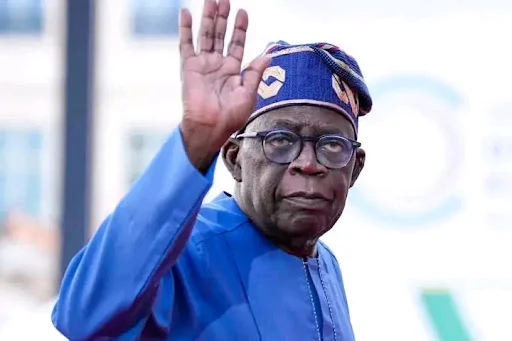
This is precisely where President Tinubu’s reforms deserve recognition and commendation. The President understands that Nigeria cannot continue operating under unsustainable economic systems that drain public resources while postponing hard decisions for future generations. His administration has taken bold steps aimed at repositioning the economy for long-term stability, productivity, and competitiveness.
From fuel subsidy removal to exchange rate reforms, increased focus on infrastructure development, local government autonomy, investment attraction, tax reforms, student loan initiatives, and efforts to strengthen state revenues, President Tinubu has shown a willingness to confront difficult realities head-on rather than preserve politically convenient but economically damaging policies.
These reforms may be painful and unpopular in the short term, but history has consistently shown that nations only achieve lasting prosperity through courageous and sometimes uncomfortable decisions. Leadership is not about applause or political entertainment; it is about responsibility, sacrifice, foresight, and the determination to secure a better future for generations yet unborn.
President Tinubu inherited a nation weighed down by years of economic distortions, mounting debts, subsidy burdens, infrastructural decay, and declining investor confidence. No sincere observer can expect decades of structural problems to disappear overnight. Yet within a short period, the administration has demonstrated commitment to rebuilding institutions, restoring fiscal discipline, and creating a more sustainable economic direction for the country.
Criticism in itself is not wrong, and Pres. Tinubu i know is wise enough to embrace, because he knows, its part of working democracy but there is a need to reset
Citizens and opposition voices have every democratic right to question government policies and demand accountability. However, criticism becomes meaningful only when accompanied by thoughtful alternatives and genuine patriotism. Constantly attacking the President’s personality or dismissing every government effort without proposing workable solutions does little to help ordinary Nigerians struggling daily for survival and progress.
Statements such as “I cannot be in his script to play drama” may generate headlines and applause in political circles, but Nigerians deserve more than soundbites and political theatrics.
They deserve serious conversations centered on economic recovery, security, industrialization, education, technology, agriculture, and national unity.
At this defining moment in Nigeria’s history, the country needs less division driven by identity politics and more patriotism, collaboration, innovation, and constructive engagement from all political actors.
Nation building requires collective sacrifice and mature leadership from both government and opposition alike.
President Tinubu’s reform agenda may not be easy, but transformative leadership rarely is.
Many of the decisions being taken today are designed not merely for immediate political gains, but to prepare Nigeria for the enormous economic and demographic realities of the future. Rather than ridicule these efforts without offering alternatives, all stakeholders should contribute meaningfully toward building a stronger, more stable, and prosperous Nigeria for generations to come.
Ire o