By Ibrahim Bunu
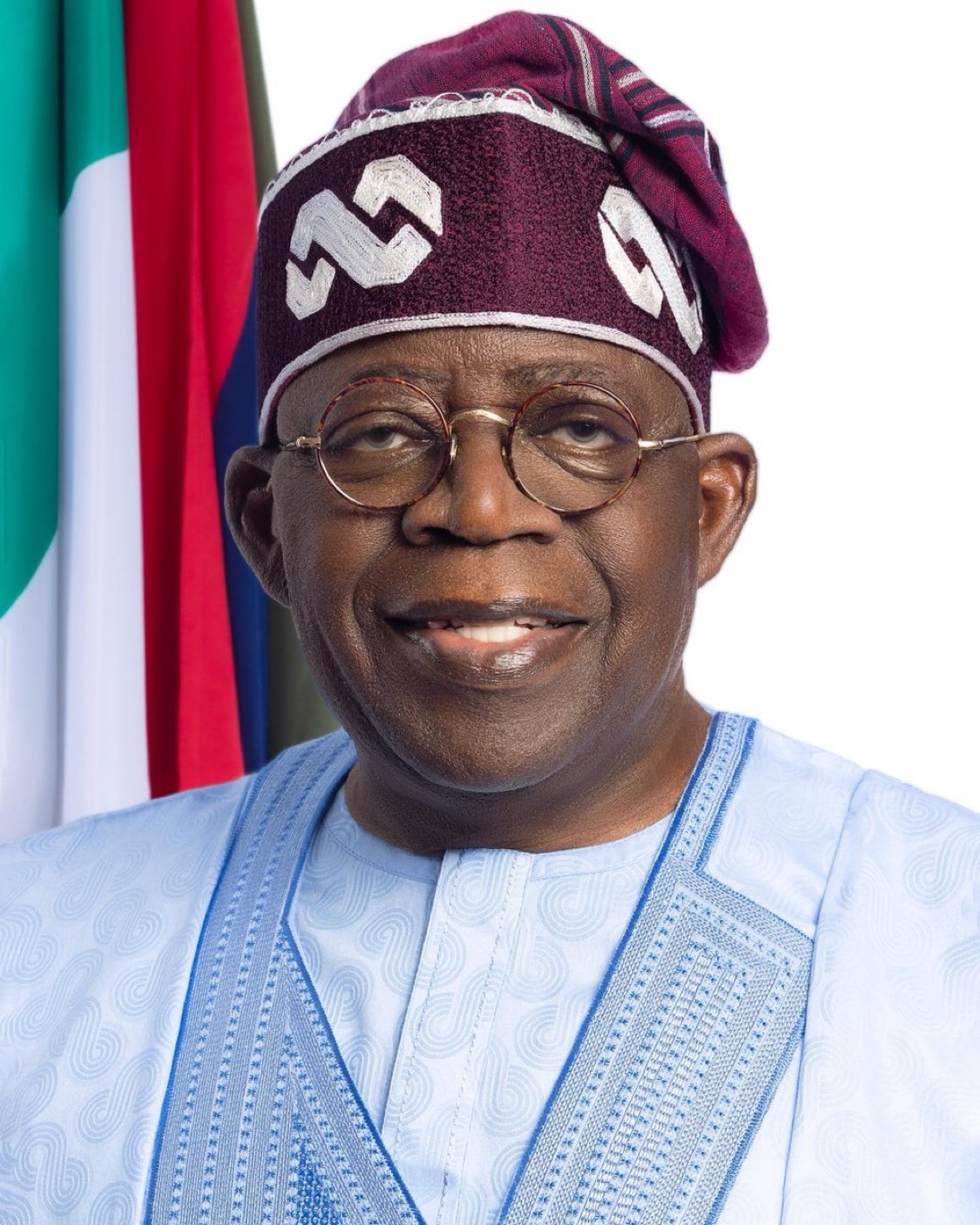
President Bola Ahmed Tinubu’s approval to expand the Nigerian Army from eight to twelve divisions is one of the most significant military reforms in recent years. Beyond the headline announcing new divisions and the recruitment of 28,000 additional personnel, the decision reflects a strategic shift in how Nigeria intends to confront its growing security challenges.
For many Nigerians, the obvious question is: What does this really mean for ordinary citizens?
The answer is that this is more than simply increasing the size of the Army. It is about restructuring the country’s military command to make it more responsive, more decentralized, and better positioned to tackle security threats across different regions.

Why Was This Expansion Necessary?
Nigeria’s security environment has changed dramatically over the last fifteen years.
The country is simultaneously battling terrorism in the North-East, banditry in the North-West, farmer-herder conflicts in the North-Central, separatist violence in parts of the South-East, oil theft and pipeline vandalism in the Niger Delta, kidnapping across several states, and growing transnational crimes along its borders.
These diverse threats have stretched the existing military structure.
With only eight divisions covering thirty-six states and the Federal Capital Territory, commanders often had enormous operational responsibilities spread across large geographical areas. Such a structure can slow decision-making, logistics, and emergency response.
Expanding to twelve divisions is therefore intended to reduce these operational burdens and place military leadership closer to areas where security challenges arise.
What Is a Military Division?
Many people hear the word “division” and assume it simply means more soldiers.
That is only partly correct.
A division is a major operational headquarters responsible for planning, coordinating, and directing military operations within a designated area. It has its own command structure, intelligence capabilities, logistics, engineering units, communications, medical support, and combat formations.
In simple terms, creating more divisions means creating more centres of command that can make faster operational decisions without waiting for instructions from distant headquarters.
Why These New Locations?
The choice of Makurdi, Ilorin, Jalingo, and Benin City appears to reflect strategic military considerations.
Makurdi sits in Nigeria’s North-Central region, an area that has witnessed persistent communal violence, armed attacks, and insecurity affecting farming communities.
Jalingo provides greater military presence closer to the North-East and Nigeria’s eastern border, where insurgent movements and cross-border threats remain concerns.
Benin City strengthens military coordination in the South-South, where the protection of oil infrastructure, waterways, and maritime security remains critical.
Ilorin occupies an important geographic position connecting northern and southern Nigeria, making it valuable for logistics, reinforcement, and rapid deployment.
Rather than concentrating command structures in only a few locations, the Army is spreading operational authority across more regions.
The Recruitment of 28,000 Personnel
Recruiting 28,000 additional personnel is another major component of this reform.
More soldiers mean increased manpower for ongoing operations, better troop rotation, reduced operational fatigue, and stronger reserve capacity.
For young Nigerians, it also creates employment opportunities and careers in military service.
However, recruitment alone does not guarantee improved security.
Success depends on proper training, discipline, professional leadership, adequate equipment, and continuous investment in welfare.
A larger Army without proper logistics would simply create a larger administrative burden.
Better Command, Faster Response
One of the biggest expected benefits is improved command and control.
When military headquarters are closer to operational theatres, commanders can respond more quickly to intelligence reports, coordinate with other security agencies, and deploy troops faster during emergencies.
This decentralization may reduce delays that often occur when decisions have to travel through multiple command levels.
Strengthening Border Security
Nigeria shares long land borders with several neighbouring countries.
These borders have often been exploited for the movement of terrorists, arms traffickers, kidnappers, and smugglers.
With additional divisions and increased manpower, the Armed Forces should be better positioned to monitor vulnerable border areas and improve cooperation with other security agencies.
What Nigerians Should Realistically Expect
It is important to manage expectations.
Creating new Army divisions will not automatically eliminate insecurity overnight.
Security challenges are complex.
Military operations alone cannot solve problems driven by poverty, unemployment, weak intelligence networks, porous borders, illegal arms trafficking, and local conflicts.
The expansion should therefore be seen as one important component of a broader national security strategy—not a complete solution.
Potential Challenges
Several issues will determine whether this reform succeeds.
First is funding. Establishing four new divisions requires significant investment in barracks, offices, accommodation, transport, communications, equipment, medical facilities, and logistics.
Second is training. New recruits must receive quality training that prepares them for modern warfare, counter-insurgency, cyber threats, intelligence gathering, and civil-military relations.
Third is welfare. Nigerian soldiers serving in difficult operational environments require competitive salaries, healthcare, insurance, housing, and support for their families. High morale is essential to operational effectiveness.
Fourth is accountability. Increased military capacity must always operate within the rule of law and respect for human rights. Public trust is strengthened when security operations are both effective and lawful.
The Bigger Picture
The timing of this expansion suggests that the Federal Government is preparing the Armed Forces for long-term national security demands rather than temporary responses.
Modern conflicts evolve quickly. Terrorist groups change tactics. Criminal networks adapt. Technology creates new forms of warfare. Nigeria’s military structure must therefore evolve alongside these changing realities.
If properly implemented, this reform could improve military readiness for years to come.
Final Thoughts
President Tinubu’s approval of four additional Army divisions and the recruitment of 28,000 personnel represents one of the most ambitious military restructuring efforts in recent Nigerian history.
Whether it ultimately succeeds will depend not on the announcement itself, but on implementation.
If the new divisions receive adequate funding, modern equipment, capable leadership, professional training, and sustained political support, Nigerians could see improvements in response times, operational coordination, and national security.
But if these reforms remain only on paper or suffer from inadequate implementation, their impact will be limited.
The true measure of success will not be the number of divisions created, but whether Nigerians begin to feel safer in their homes, communities, highways, farms, and places of business.
Security is not measured by military expansion alone—it is measured by the confidence of citizens to live, work, travel, and invest without fear.
— Ibrahim Bunu ibrahimbunu2520@gmail.com