By Okoi Obono-Obla
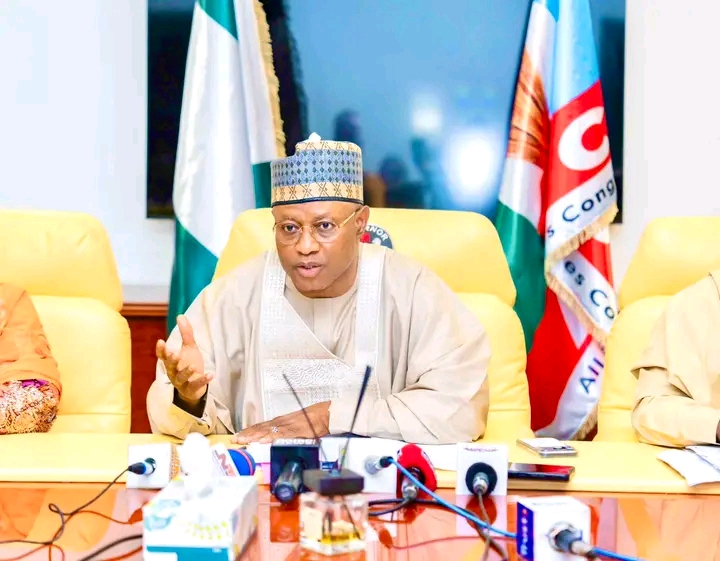
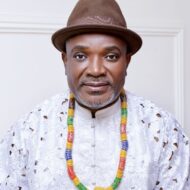
Those at the Ibadan Summit included Professor Jerry Gana. He was elected a Senator in 1983 and later became Director of the Directorate of Food, Roads and Infrastructure (DFRRI). He was appointed Director of Mass Mobilisation for Social Justice and Economic Recovery. Under General Abacha’s regime, he served as Minister of Co-operation and Integration in Africa, and under Olusegun Obasanjo, he was Minister of Information and National Orientation. He also served as Political Adviser to President Obasanjo. At 81 years old, Professor Gana was the Convener of the Ibadan Summit.
Among the attendees was Senator David Mark, aged 78. He owns a country house with a helicopter and helipad. Commissioned as a Second Lieutenant in the Nigerian Army in 1970, he retired in 1999 as a Brigadier General. He was Commandant of Static Communications in 1974, later Chairman of the Abandoned Properties Implementation Committee in the Eastern Region in 1976, and Minister of Communication in 1986. Before that, he was Military Governor of Niger State from 1984 to 1986. He served as the 12th President of the Nigerian Senate from 5 June 2007 to 6 June 2015, leaving the Senate in 2019.
Atiku Abubakar, aged 80 and born in 1946, was initially a police officer in training at the Nigeria Police College, Kaduna, before joining the Nigeria Customs Service in 1969. He worked there for twenty years, rising to the position of deputy director, then retired in April 1989. He later served as Vice President of the Federal Republic of Nigeria from 1999 to 2007.

These profiles represent a cross-section of leaders of the opposition who gathered at the Ibadan Summit. They promise an El Dorado, yet they have been part of government for over fifty years, enjoying the perks, privileges, and paraphernalia of power with its comfort, lucrativeness, pomp, and colour. Despite this, they could not address the monumental problems that continue to assail the country. One would have thought they might now take a back seat, playing advisory roles to younger leaders whom they could mentor into positions of responsibility. Where, then, are the young people in the opposition—those who should be at the forefront of building a new Nigeria?
Conclusion: The Ibadan Summit highlights the paradox of Nigeria’s political opposition: a gathering of seasoned leaders with decades of experience, yet a movement still searching for youthful energy and fresh vision. For Nigeria to truly move forward, the baton must pass to younger generations, guided but not overshadowed by the old guards.