
- By Okoi Obono-Obla
Operation Wetie and the Lessons of History-
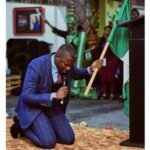
On 25 April 2026 in Ibadan, Oyo State, at a so‑called National Opposition Summit convened by a faction of the Peoples Democratic Party (PDP), the Senator David Mark faction of the African Democratic Congress (ADC), a faction of the NNPP, and the Labour Party, Governor Seyi Makinde—himself belonging to a faction of the PDP—ruffled feathers when he threatened that if the 2026 elections did not go his way, he would unleash Wetie.
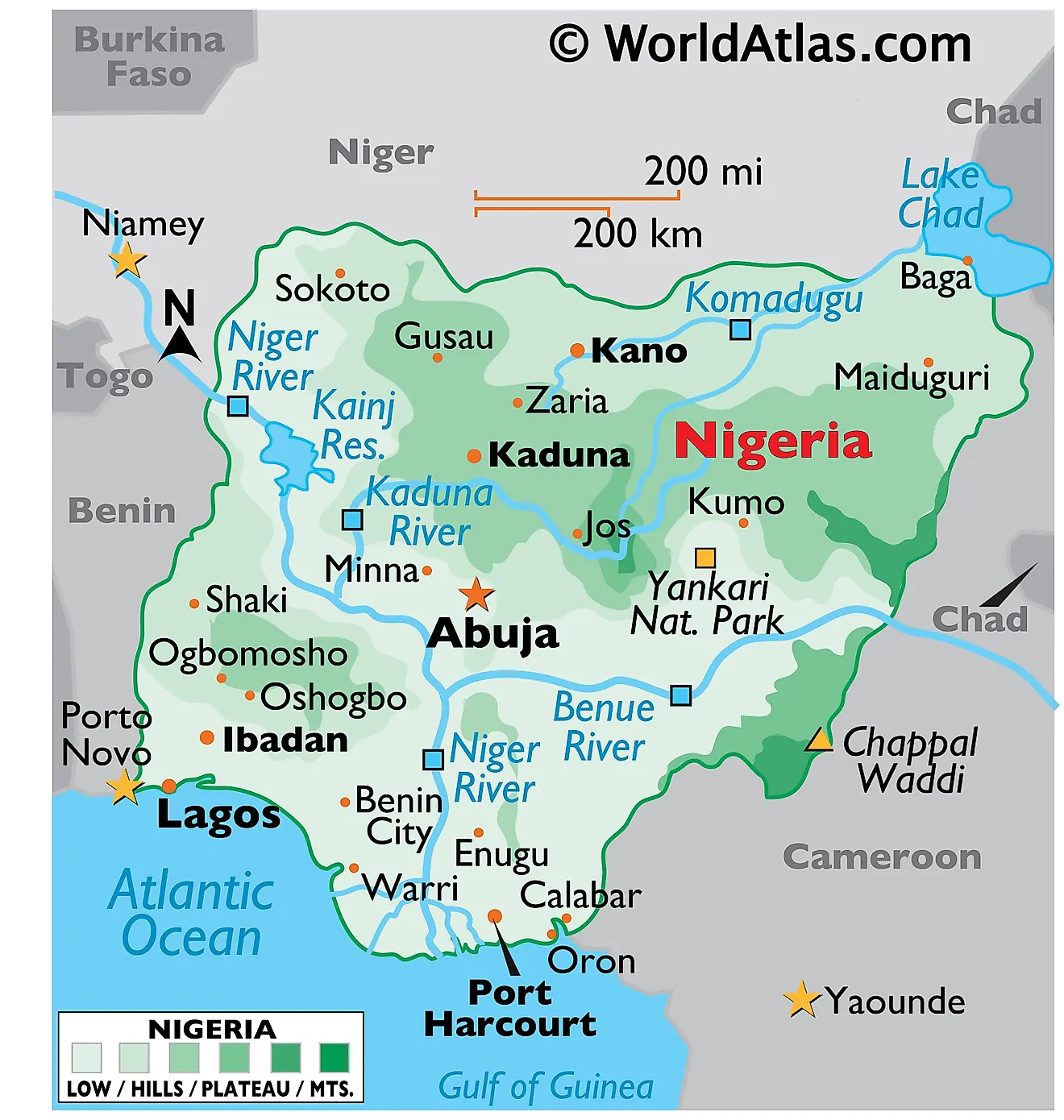
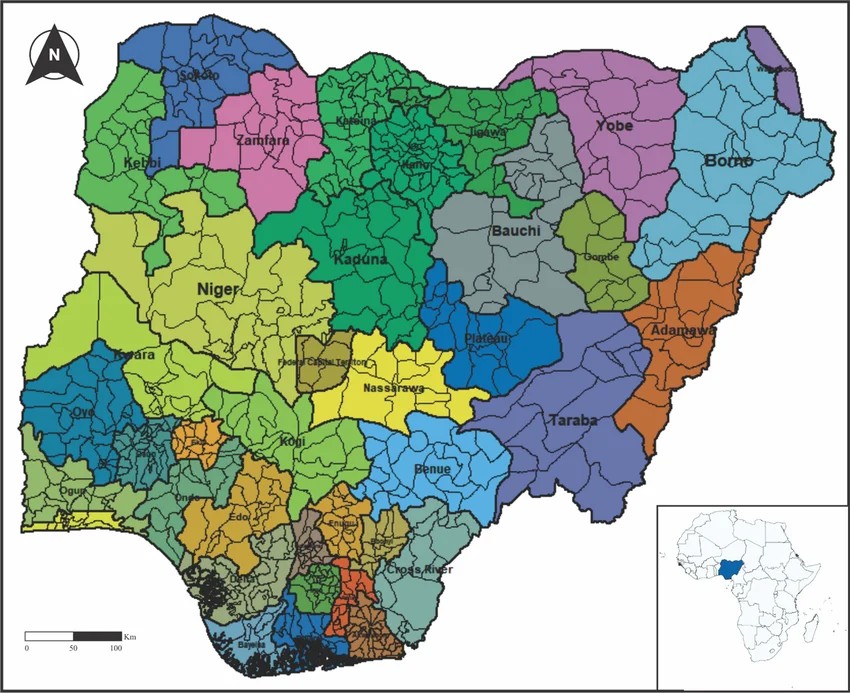
Wetie took place in the old Western Region of Nigeria (now Oyo, Osun, Ekiti, and Ondo States) around 1965, precisely 61 years ago. It was a violent eruption of political crisis and conflagration that swept through the Western Region, leaving in its wake deaths and massive destruction of property. It shook the entire country, and certain pundits have attributed the crisis as one of the remote causes of the military intervention of 15 January 1966.
In Nigeria’s political history, Operation Wetie refers to the intense, violent political crisis that engulfed the Western Region in the 1960s, particularly after the disputed 1965 election. Derived from the Yoruba phrase “wet him”, it involved dousing political opponents and their properties with petrol and setting them ablaze.

The foundation of Operation Wetie was laid by the political disagreement between Chief Samuel Ladoke Akintola, Premier of the Western Region and Deputy Leader of the Action Group, and Chief Jeremiah Obafemi Awolowo, Leader of the Opposition in the Federal Parliament and Leader of the Action Group. Their quarrel centered on whether the Action Group and the Western Region should align with the Northern Peoples Congress (NPC) at the federal level.
At the time, Nigeria practised a parliamentary system. The NPC, led by Sir Ahmadu Bello, Premier of Northern Nigeria and the Sardauna of Sokoto, held the largest bloc of seats. However, Bello preferred to remain in Kaduna as Premier rather than serve as Prime Minister in Lagos. He therefore supported his deputy, Sir Abubakar Tafawa Balewa, to become Prime Minister. The NPC did not win an outright majority and thus entered a coalition with the National Convention of Nigeria Citizens (NCNC).
Chief Akintola, pragmatic and desirous of federal patronage, wanted the Western Region and the Action Group to align with the NPC. Chief Awolowo, however, who nursed ambitions of becoming Prime Minister, resisted such alignment. This ideological schism culminated in a bitter fight on the floor of the Western Nigeria House of Assembly, leading to the Federal Government declaring a state of emergency in October 1962 and appointing Dr. Moses Majekodunmi as Sole Administrator.
The die was cast. Soon, Chief Awolowo was accused of plotting to topple the Federal Government. He and some of his supporters—including Chief Anthony Enahoro, Chief Bola Ige, Alhaji Lateef Jakande, and Professor Sam Onabamiro—were charged with treason, convicted, and sentenced to life imprisonment or long terms of imprisonment.
Chief Akintola’s faction of the Action Group then aligned with the NPC to form the Nigeria National Alliance (NNA). Meanwhile, Chief Awolowo’s faction, together with the NCNC under Dr. Michael Okpara, Aminu Kano’s Northern Elements Progressive Union, and other smaller parties, formed the All Grand Progressive Alliance (AGPA). These two alliances squared off in the 1965 general elections, which the NNA won both in the Western Region and federally. The aftermath was the eruption of crisis in the Western Region, which became known as Operation Wetie.
Conclusion: The invocation of Wetie in today’s political discourse is a dangerous reminder of Nigeria’s turbulent past. History teaches that violence and disunity only pave the way for instability. The opposition—and indeed all political actors—must learn from this bitter chapter, choosing dialogue, discipline, and democratic resilience over threats of chaos.