By Okoi Obono-Obla
The Colonial Invention of Tribes in Africa-
Precolonial Fluidity:
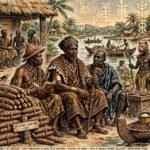
Precolonial Africa was a vast mosaic of lineages, kingdoms, chiefdoms, communities, villages, and empires—estimated to number over 10,000 distinctive identities and languages. These polities shaded into one another, with shifting and indeterminate frontiers, loose allegiances, and boundaries that were never formalized. Identity was fluid, and communities interacted without rigid ethnic demarcations.
Colonial Fragmentation:
At the dawn of colonialism, European administrators and ethnographers became obsessed with fragmenting African polities into “tribes.” The result was the artificial creation of new ethnic groups, each defined by rigid frontiers. Colonialists deliberately pursued policies that kept Africans divided while maintaining their own hegemony. For instance, in Tanganyika (now Tanzania), a colonial commissioner instructed his staff in 1926 that each tribe must be under a chief. Similarly, in Northern Rhodesia (now Zambia), a small group only became known as the Soli in 1937, when the District Commissioner declared them so.

Missionary Influence:
European missionaries, who swarmed into Africa after the Berlin Conference of 1884–1885, reinforced this process. In their zeal to translate numerous African languages from unwritten to written forms, they reduced the multiplicity of dialects into fewer standardized languages. Each written language was tied to a particular group, thereby defining what was considered a “tribe.” The consequence was the establishment of new linguistic frontiers. This is how identities such as Yoruba, Ewe, Shona, Igbo, and many others were consolidated into distinct tribal units.
Case Study: Rwanda-Urundi:
The case of Rwanda-Urundi (today Rwanda and Burundi) was even more striking. The Hutu and Tutsi people had, from time immemorial, lived together in the Great Lakes Region of East Africa as one indivisible community, sharing the same identity, heritage, language, history, traditions, and customs. Intermarriage had intricately bonded them, blurring any real division between the pastoralist Tutsi aristocracy, which had established a feudal political system, and the agriculturist Hutu majority. Yet, when German colonialists—and later the Belgians—arrived, they began the process of dividing the Hutu and Tutsi into distinct ethnic groups. Favoring the Tutsi, they established a Tutsi bureaucracy to the disadvantage of the Hutu. To justify this policy, colonialists resurrected the discredited Hamitic theory, claiming the Tutsi were not truly African but related to Eurasian populations. This false narrative entrenched divisions that had not previously existed, sowing seeds of discord with devastating consequences in later history.
Conclusion:
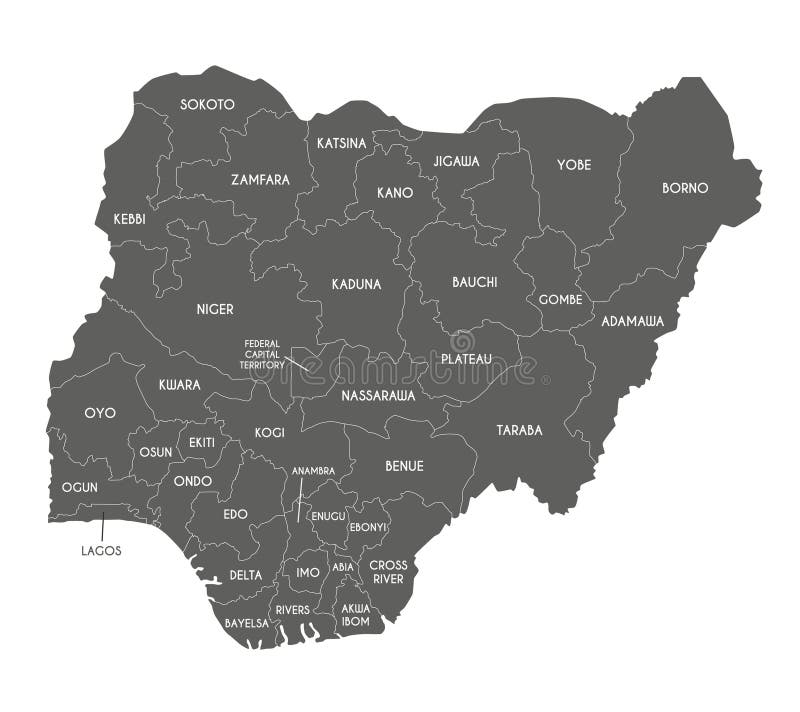
The colonial invention of tribes was not a reflection of Africa’s organic cultural realities but a deliberate strategy to divide, control, and administer. From Nigeria to Rwanda, colonial policies reshaped identities, imposed artificial boundaries, and hardened distinctions that had once been fluid. Understanding this history is crucial—not to diminish anyone’s identity, but to recognize how colonial manipulation shaped the ethnic map we live with today. Only by acknowledging this can we move beyond imposed divisions and build a future rooted in unity and shared heritage.