
by Shuaibu Ummi Haruna
By all appearances, everything seems normal.
The university student laughs with friends after lectures. The young entrepreneur posts another motivational quote. The recent graduate shares a polished photo from a job interview, accompanied by a caption about hope and perseverance.
To the outside world, they seem to be doing just fine.

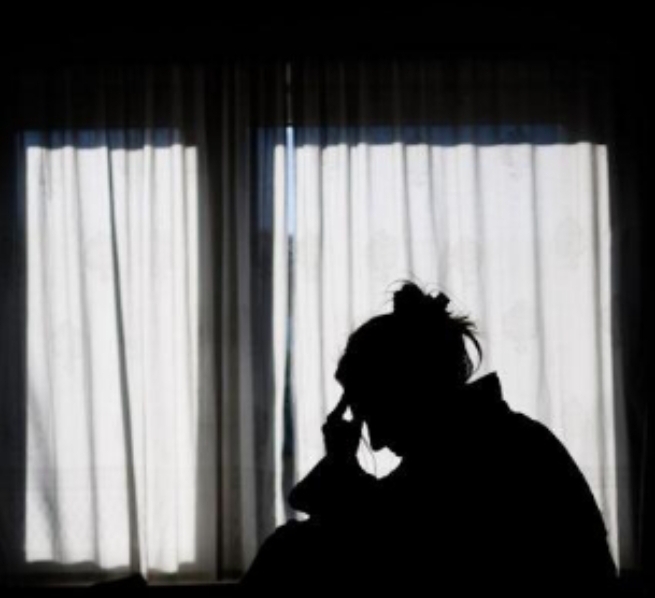
What we don’t see are the sleepless nights spent worrying about the future, the panic attacks hidden behind bathroom doors, the tears wiped away before anyone notices, or the quiet exhaustion of pretending to be okay when everything feels like it’s falling apart.
Across Africa, a silent mental health crisis is unfolding among young people. It rarely makes the headlines. It is not always visible. Yet it is affecting millions of lives in ways that are impossible to ignore.
Today’s young people are growing up in a world filled with opportunity, but also with enormous pressure. They are expected to succeed in difficult economies, support their families, excel in school, build careers, maintain relationships, and somehow remain optimistic through it all.
For many, that weight becomes overwhelming.
Unemployment continues to frustrate talented graduates. The rising cost of living forces many young people to postpone their dreams. Students struggle to balance academic demands with financial hardship. Others carry the pain of losing loved ones, family conflicts, or personal disappointments that few people know about.
Then there is social media, a place where everyone appears to be winning.
With every scroll comes another announcement of success, another engagement, another business launch, another achievement. It is easy to forget that social media often captures life’s brightest moments while leaving the darker ones out of the frame.
Comparison quietly steals confidence. Feelings of inadequacy begin to grow. Many start questioning their own worth, believing they are falling behind simply because their journey looks different from someone else’s.
Yet despite these realities, conversations about mental health remain difficult in many African communities.
Instead of asking someone what they are truly going through, we often encourage them to “be strong,” “pray harder,” or simply “move on.” While faith and resilience can be powerful sources of strength, they should never prevent people from expressing pain or seeking support.
The expectation to always appear strong has become one of the greatest barriers to healing.
Many young people suffer in silence because they fear being misunderstood or judged. They worry that admitting they are struggling will be seen as weakness. Some convince themselves that no one will listen. Others have nowhere to turn even if they wanted help.
The consequences of that silence can be devastating. Emotional struggles can affect education, careers, relationships, physical health, and overall quality of life. In some cases, they can lead to tragedies that leave families asking questions they never imagined they would have to ask.
The truth is that mental health deserves the same attention as physical health. We do not expect someone with a broken leg to simply ignore the pain. Emotional wounds deserve the same compassion and care.
This is not a problem for governments alone to solve. Families must learn to listen without judgment. Schools should create environments where students feel safe asking for help. Workplaces need to recognise that productivity and well-being go hand in hand. Religious and community leaders can also play an important role by encouraging compassion and understanding rather than silence and shame.
Most importantly, young people need to know that asking for help is not a sign of weakness. It is a sign of courage.
Africa’s greatest resource has always been its people, especially its youth. They are the innovators, teachers, healthcare workers, entrepreneurs, artists, and leaders who will shape the continent’s future. But they cannot build that future while carrying invisible burdens alone.
Perhaps the greatest change begins with something remarkably simple: asking someone, “How are you?” and staying long enough to hear the real answer.
Because sometimes, a conversation can be the first step toward healing and the greatest act of kindness is simply choosing to listen.
RCHP. Ummi S. Haruna
8/7/2026