By Okoi Obono-Obla
The Realities of Party Politics
By Okoi Obono-Obla

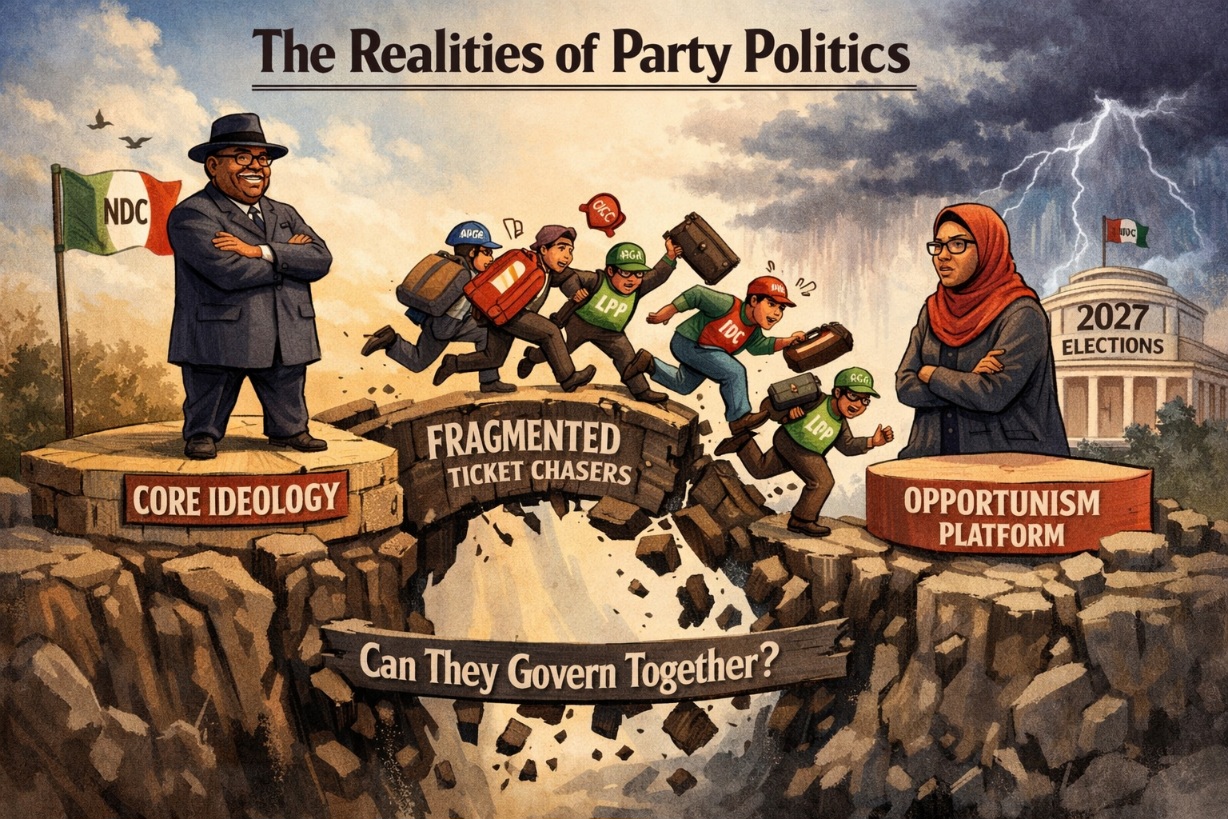
The recent interview granted to Arise TV by the National Leader of the National Democratic Congress (NDC), Senator Seriake Dickson, and the subsequent reactions from party members, including the outspoken Aisha Yusef, have exposed the simmering tensions within the NDC. For some of us, this was not unexpected. We foresaw the clash between the party’s leadership and those who only recently joined, were handed tickets to contest elections, and are now discovering the incompatibility of their perspectives, approaches, political orientation, and leadership style with the man at the helm.
This episode is a reminder that politics is not merely about securing a platform. A political party is not a Special Purpose Vehicle for electoral contestation. It is an institution built on shared philosophies and ideologies—political, economic, and social—designed to convince the electorate that these ideas are the best solutions to societal problems. When a party wins elections and forms government, these philosophies should guide governance.
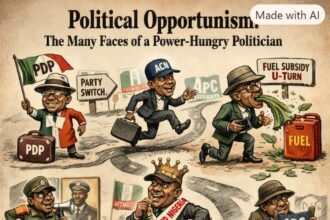
Unfortunately, what we see today is the institutionalization of political nomadism. Many politicians move from APGA to PDP, from PDP to Labour Party, then to ADC, and finally to NDC, without interrogating the philosophy behind each party’s formation or understanding the pedigree and character of its leadership. The pursuit of tickets has overshadowed ideological commitment.
Now, reality is dawning on figures like Aisha Yusef. They are realizing that Senator Dickson, as National Leader, is not entirely secure with the Presidential candidate of the NRC, or perhaps he is simply fulfilling his role as leader of a party expected to mount a serious challenge in the 2027 general elections.
The critical question remains: how can seemingly incompatible personalities work together with coherence to address the nation’s problems if they win elections and form government?
Conclusion:
The unfolding drama within the NDC underscores a fundamental truth: political parties must be anchored on shared ideology, not expediency. Without coherence in philosophy and leadership, electoral victories risk becoming hollow, leaving governance fractured and ineffective. The NDC’s current tensions are not just internal squabbles—they are a test of whether Nigerian politics can rise above opportunism and embrace genuine ideological commitment.