

By Emmanuel Adebanjo
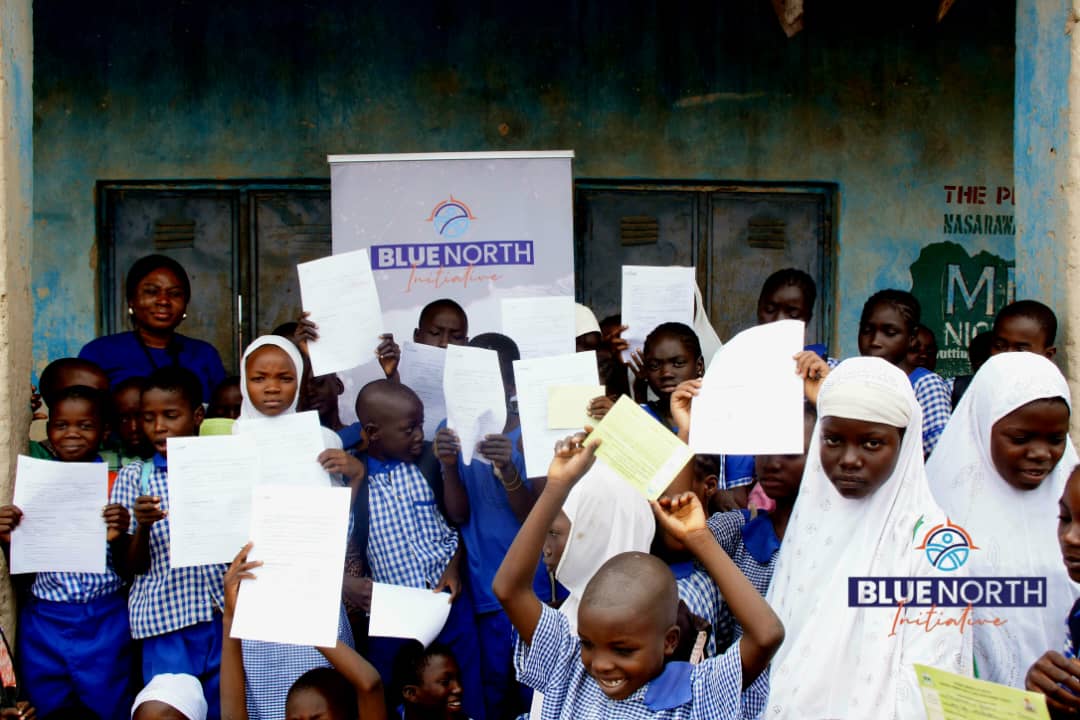
When Chief Obafemi Awolowo warned about the consequences of neglecting the education of children in Northern Nigeria, the underlying issue was not merely about schooling. It was about the future of those children, the development of their communities, and the consequences that educational deprivation could have for the entire country.
In a 1961 lecture, Awolowo highlighted the enormous difference between primary-school enrolment in Northern Nigeria and the Southern regions. His concern was that educational opportunities were not reaching children equally.
That warning deserves renewed attention today.

## Who should answer for decades of educational neglect?
Northern Nigeria has produced numerous national leaders since independence. Different administrations have held power at the federal level, while Northern states have also been governed by successive generations of political leaders.
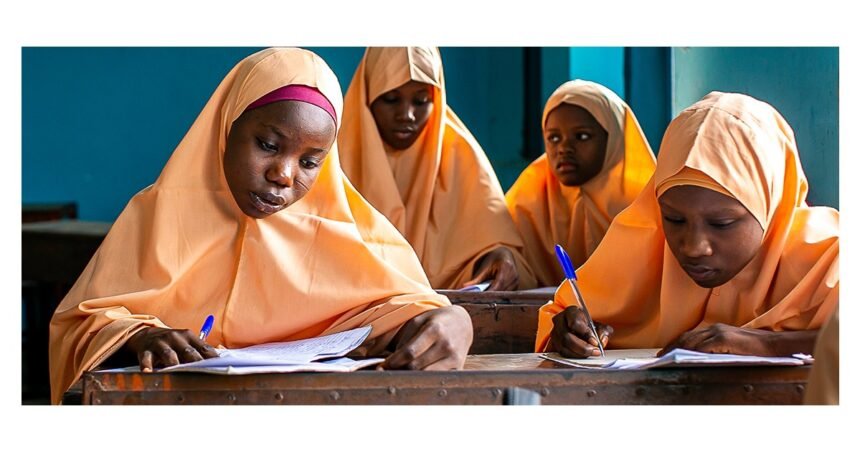
Yet educational deprivation, poverty and the plight of many Almajirai remain serious concerns.
My question is simple: if successive governments have had the authority and resources to improve the lives of these children, why have so many continued to face limited educational and economic opportunities?
This is not an accusation against the people of Northern Nigeria. They are citizens entitled to the same opportunities as every other Nigerian. The question is directed at those who have exercised political authority and those who have controlled public resources.
Leadership must come with accountability.
## Why blame only the present administration?
When children lack access to education, we must examine the decisions of successive governments, including federal, state and local administrations.
The present government must answer for its own record, but it should not be treated as though the educational challenges of Northern Nigeria began when it assumed office.
Equally, previous governments should not escape scrutiny simply because they are no longer in power.
The relevant questions are: What resources were allocated to education? How much was actually spent? How many schools became functional? How many qualified teachers were employed? How many children were given opportunities to acquire literacy, numeracy and practical skills?
These are questions that can be answered through budgets, audited accounts, school records and measurable outcomes.
## The Almajirai deserve more than campaign speeches
Almajirai children should not be treated as political instruments. Their dignity, welfare and future deserve serious attention throughout the year, not only during election campaigns.
Their Qur’anic education need not be discarded. Rather, it can be strengthened by integrating literacy, mathematics, science, vocational training and other practical skills that will help them participate fully in modern society.
The objective should be to preserve valuable religious learning while ensuring that children are not deprived of wider educational and economic opportunities.
A change of president must not become an opportunity for former decision makers to escape responsibility for their own records.
Thosw who criticize today’s government should also be prepared to answer questions about what they did when they had the opportunity to govern.
## What does a presidential holiday have to do with good governance?
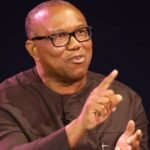
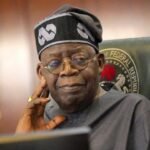
Peter Obi has said that, if elected president, he would spend his holidays visiting Nigerian states rather than travelling abroad. President Bola Tinubu’s overseas vacation has also become a subject of political debate.
But the public should look beyond the destination of a holiday.
A president may spend a holiday in Nigeria and still fail to deliver meaningful reforms. Another may travel abroad while ensuring that government institutions continue to function. The more important questions concern performance, accountability and the welfare of citizens.
If a presidential aspirant wishes to visit communities where poverty and educational deprivation are widespread, that visit should be accompanied by clear policies, measurable targets and a commitment to follow through.
How many children will gain access to quality education? How will state and local governments be held accountable for education funding? What will be done to protect children from exploitation and prepare them for productive lives?
Those are the commitments citizens should demand.
## My message to political leaders
No region should be condemned to poverty because of the failures of its leaders. No child should be denied opportunity because of the circumstances of birth. And no politician should expect citizens to forget decades of unfulfilled responsibilities merely because another election is approaching.
The people of Northern Nigeria deserve accountable leadership, just as people in every other part of the country do.
**The children who were denied opportunities yesterday are the citizens whose future we must protect today.**
Chief Obafemi Awolowo’s warning should therefore remind every government that education is not a political favour. It is an investment in human dignity, economic development, national security and the future of Nigeria.
Let every administration be judged by what it actually delivers—not by regional loyalty, campaign promises or the location of its holidays.
**Nigeria belongs to all of us, and the future of every Nigerian child matters.**