By Okoi Obono-Obla
Reaction to: “Igbo Leaders & Non-Igbo Easterners: When The East Was One” circulated on Nzuko Umunna WhatsApp forum as authored by “Dr J…”
The account titled “Igbo Leaders & Non-Igbo Easterners: When The East Was One” is beautifully written, skillfully woven and moderate in tone. But it is revisionism.
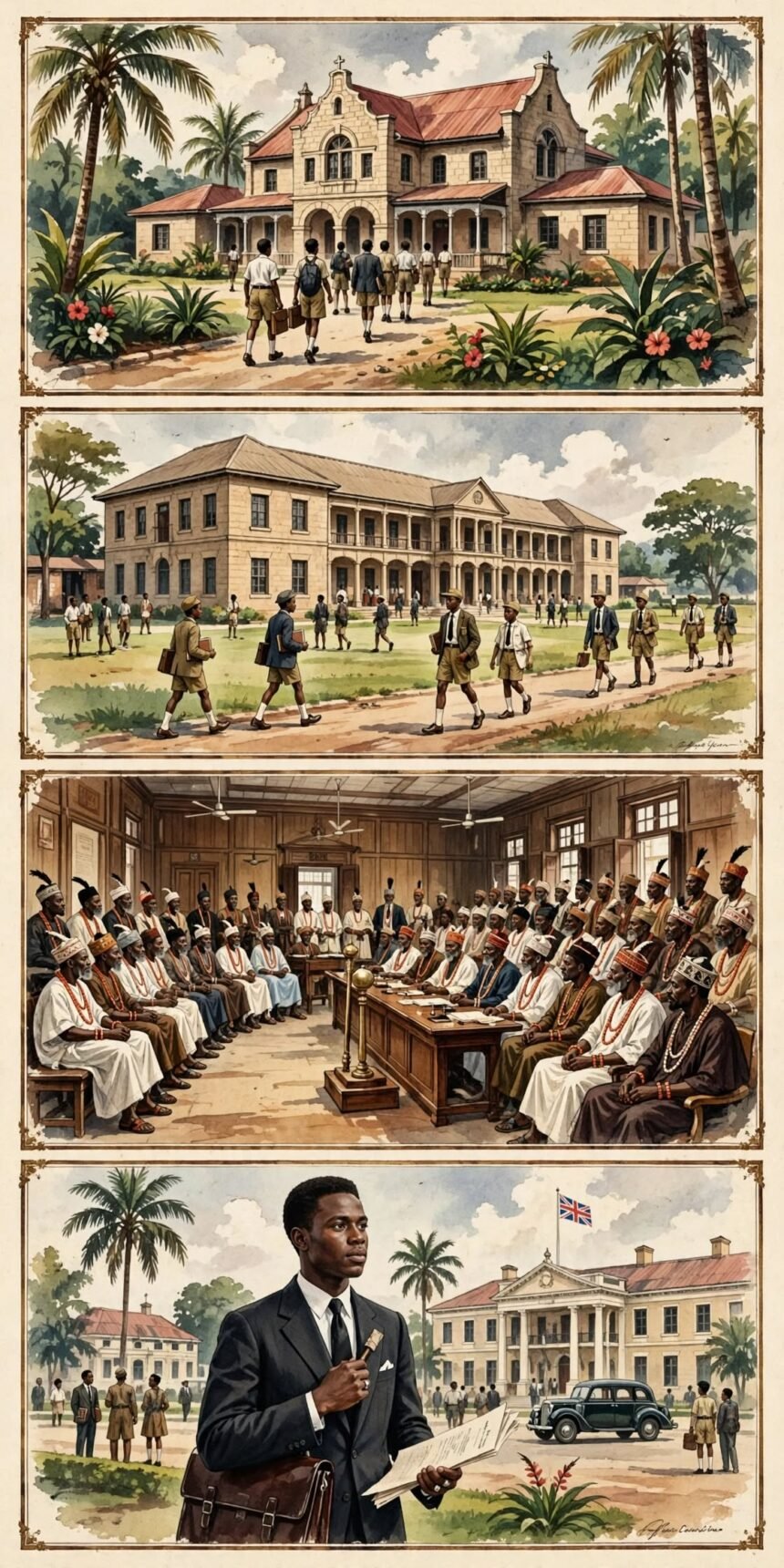
It tells us that Nnamdi Azikiwe, Akanu Ibiam, Okoi Arikpo and others all passed through Hope Waddell and Government College Umuahia, and therefore the East was one. Shared classrooms are presented as proof of shared power. History is more complicated.

THE 1953 BETRAYAL
Professor Eyo Ita was Leader of Government Business and Premier of the Eastern Region from 1951 to 1953. He was also the founding father of the Nigerian Youth Movement formed in Lagos in 1934 — Nigeria’s first genuine nationalist organization.
During the Eastern crisis of January 1953, nine NCNC ministers resigned. Ita and five others withdrew their resignations. The deadlock continued until the Eastern House of Assembly was dissolved on May 6, 1953. Fresh elections followed, NCNC won, and Azikiwe, who had to move from the West to contest in Onitsha, became Premier. Ita became Leader of the Opposition.
For Efik,Ibibio, Ekoi, Ijaw and other minorities, this was not a routine party reshuffle. It was the removal of their most educated son on no discernible ground other than assumed Igbo superiority.
THE STRUCTURAL MARGINALISATION
The grievance did not stop at the premiership. According to the COR Memorandum presented to the Willink Commission of 1957, total seats in the Eastern House were 84: Igbo had 51 seats, ethnic minorities had 33. Petitioners told Willink it was the deliberate object of the Ibo majority in the Region to fill every post with Ibos.
The same pattern appeared in the creation of provinces — only six provinces existed at self-government in 1954: Calabar, Cameroons, Ogoja, Onitsha, Owerri and Rivers — despite agitation for a Rivers Province since 1941-1952 through the Ijo Rivers People’s League.
In the Eastern House of Chiefs, the imbalance was stark. Fourteen non-Igbo-speaking divisions had only 16 representatives in total, while eleven Igbo-speaking divisions had 37. Twelve minority divisions — Abak, Degema, Eket, Enyong, Ikot Ekpene, Ikom, Obubra, Obudu, Ogoja, Ogoni, Opobo and Port Harcourt — had only one representative each, while Uyo and Ahoada had two each. Igbo divisions like Owerri had five. Out of 53 seats, Igbo-speaking divisions controlled 69.8%.
BOKI, FARM SETTLEMENTS AND THE SUPREME IRONY OF MATTHEW MBU
In Boki, the agricultural hub of Cross River, government had established one of six farm settlements covering 61,775 acres at Ohaji, Igbariam, Erei, Boki, Ulonna South, Ulonna North and Uzouwani. Local people recall Biafran administrators renaming estate camps with Igbo names — reinforcing the perception of cultural domination.
And here lies the supreme irony that the author of “When The East Was One” glosses over with relish. Dr. Matthew Mbu, whom he proudly presents as Biafra’s External Affairs representative and proof that Biafra belonged to all Easterners, was himself from Boki! Matthew Tawo Mbu was born in Okundi, Osokom Clan, Boki LGA, Cross River State, to Chief Mbu Tawo and Madam Eshian Atim Tawo of the ruling chieftaincy families of Osokom and Oku.
So Boki — the very area where Biafran administrators were busy changing community names to Igbo names in the agricultural estates and farm settlements — produced Biafra’s chief diplomat. If Boki was so cherished and equal, why was its identity being erased on the ground while its son was being paraded abroad?
THE WARTIME EXPERIENCE
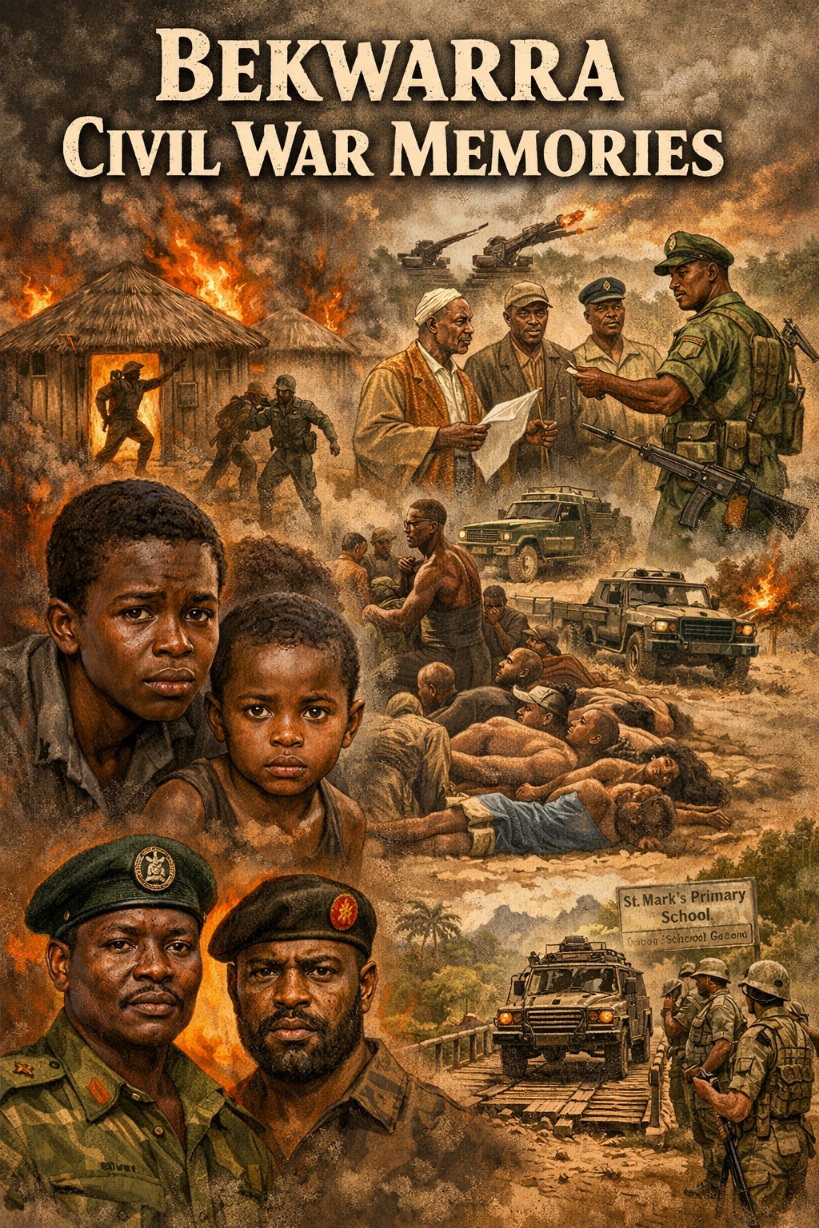
The original article correctly lists minority officers in Biafra — Akpan Utuk, Archibong and others. Akpan Utuk was indeed a colonel in the Biafran Army from the Ibibio who commanded the 16th Division.
But their presence did not prevent attacks on minority communities. Contemporary research records that a town called Attan Onoyon in Enyong was burnt down with many people killed by Biafran soldiers, and in Ikot Ekpene Biafran soldiers were reported to have shot villagers and detained civilians.
Okoi Arikpo’s own story illustrates this. Educated at Hope Waddell Training Institution and Government College Umuahia, he was a member of the 335-member Eastern Consultative Assembly. He disappeared to Lagos where he became Commissioner for External Affairs, while his kinsman Arikpo from Mpaghni, Ugep stayed to die for Biafra. In Ugep, his house was occupied and he was pursued until he successfully fled to Lagos.
CONCLUSION: TRUTH AS THE BASIS FOR HEALING
The old Eastern Region did have shared institutions. But shared institutions without equitable power-sharing breeds resentment, not unity.
Reconciliation and healing will only take place if there are conscious and deliberate efforts to speak the truth, rather than resorting to twisted historical accounts and revisionist narratives that endanger the fraternity they claim to foster — written in sweet language but hollow in intent.
The East was never one because we attended the same schools. It will only be one when we admit how trust was broken in 1953, in the provincial councils, in the House of Chiefs, in the farm settlements of Boki, and on the battlefields of Ikom, Biakpan and Ikot Ekpene.