

By Okoi Obono-Obla
Overview
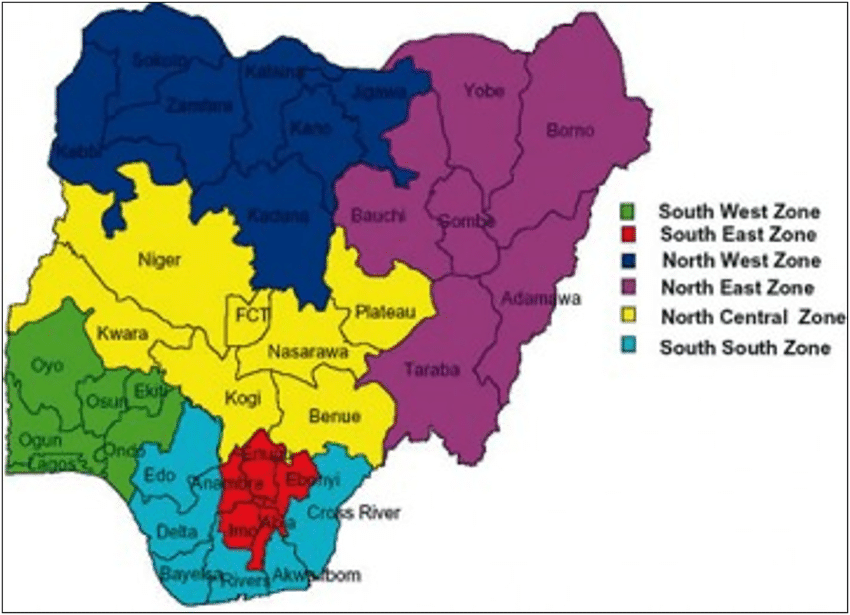
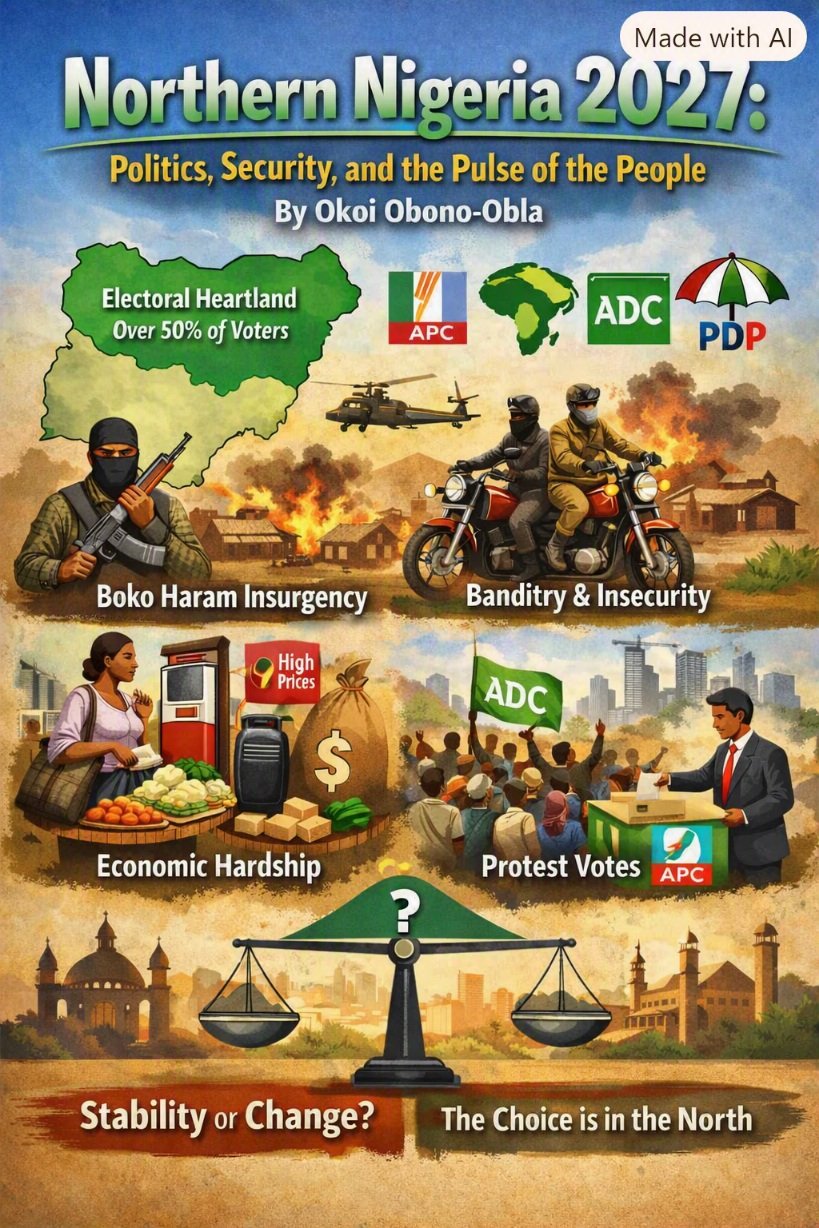
The North-West, North-East, and North-Central geopolitical zones together form the electoral epicenter of Nigeria, holding over half of the nation’s registered voters.
The INEC final list of senatorial and presidential candidates released on 11-12 September 2026 reveals a landscape dominated by the All Progressives Congress (APC), which is fielding candidates for all 109 senatorial seats. It is challenged by Atiku Abubakar’s African Democratic Congress (ADC) with 107 senatorial candidates, Peter Obi’s Nigeria Democratic Congress (NDC) with 103, and the Peoples Democratic Party (PDP) with 103, alongside smaller parties like APM.
Yet, beyond party structures, security and economic hardship will profoundly influence how Northern voters think and act on 16 January 2027.
Security Realities and Their Political Impact
1. The Boko Haram Insurgency
The North-East, especially Borno, Yobe, and Adamawa, remains scarred by years of insurgency. While military operations have reduced territorial control by Boko Haram, displacement, trauma, and distrust persist. Voters in these areas may prioritize security and stability over party loyalty, favoring candidates perceived as capable of maintaining peace.
2. Banditry and Rural Insecurity
The North-West (Katsina, Zamfara, Kaduna, Sokoto) faces rampant banditry, kidnapping, and cattle rustling. Communities feel government response has been slow, fueling resentment. This could lead to lower voter turnout in rural areas and protest voting in urban centers, where frustration with insecurity and inflation runs high.
Economic Hardship and Reform Fatigue
Inflation and subsidy reforms have hit Northern households hardest, especially in food and transport costs. While APC governors control most states, economic discontent may weaken enthusiasm for incumbents, even if structural loyalty remains. The ADC and NDC could gain sympathy votes among middle-class and urban voters.
Behavioral Patterns Emerging
Security-driven voting: In insurgency-affected areas, voters favor continuity and stability.
Economic protest voting: Urban centers like Kano, Kaduna, and Abuja could see higher support for opposition parties.
Low-turnout zones: Bandit-infested rural areas may record reduced participation, skewing results toward urban strongholds.
Rotation sentiment: The expectation that power will return to the North in 2035 reinforces APC’s appeal among elites and traditional rulers.
Conclusion
Northern Nigeria enters 2027 with a paradox: structural dominance for the APC, but a volatile electorate.
The final INEC list shows the NDC has no candidates in 10 northern senatorial districts, including all three seats in Bauchi, plus Jigawa North East, Kaduna South, Katsina Central, Benue North East, and Yobe East and North. This mathematically limits the opposition and preserves APC’s advantage in those districts.
Ultimately, the 2027 vote will be decided by two opposing forces. Where insecurity is existential, as in Borno, Yobe, and Zamfara, the desire for continuity will favor APC. Where economic pressure is greatest, as in Kano, Kaduna, Abuja and Jos, it will fuel protest voting toward ADC and NDC.
The North will therefore vote for stability where it feels threatened, and for change where it feels squeezed.