By Okoi Obono-Obla
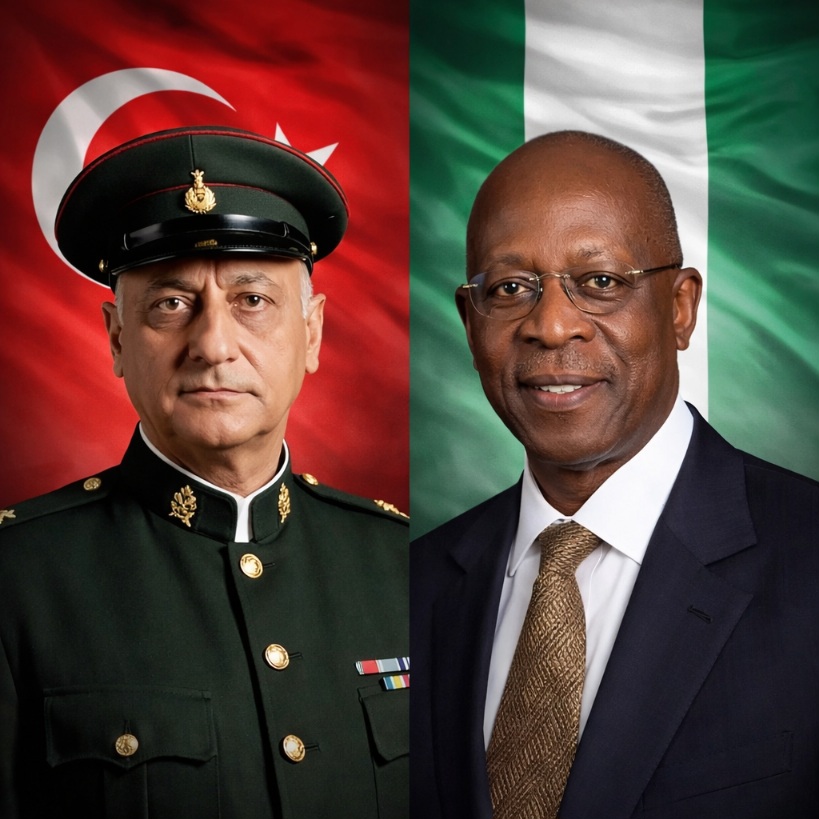
Every nation reaches a point where patching old systems no longer works. At that point, leadership must choose between comfort and courage. Turkey faced that moment in 1919. Nigeria faces it today.
Mustafa Kemal Atatürk inherited an empire in collapse. After World War I, the Ottoman state was occupied, bankrupt, and dismissed as “the sick man of Europe.” On 19 May 1919 he landed in Samsun and began organizing resistance. By 1923 he had led Turkey to independence, abolished the Sultanate and Caliphate, and proclaimed a republic built on one principle: sovereignty belongs unconditionally to the nation.
But winning independence was only half the battle. Atatürk then set out to rebuild the foundation of the state. He replaced religious courts with a secular civil code. He gave women equal rights. He adopted a new alphabet, reformed universities, and created institutions for language and history. Economically, he scrapped outdated tax laws, encouraged industry and farming, and built roads and factories. The aim was not popularity. It was survival and modernization. A century later, Turkey stands as one of the world’s 20 largest economies.

President Bola Ahmed Tinubu is confronting a similar task of structural repair in Nigeria. For almost 75 years, the petroleum subsidy regime drained public resources. It was a drainpipe that made the economy hemorrhage. In 2023, the government ended it. At the same time, it floated the naira to stop the monthly channeling of over $2 billion used to artificially prop up the currency. The goal is simple: allow the country to meet its balance of payments obligations and restore investor confidence.
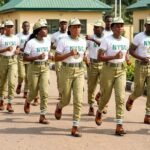
On security, the administration is also decentralizing. Plans to restructure the Nigeria Police Force have passed the National Assembly and are now with the 36 State Houses of Assembly. In the military, training has been decentralized to three centers across the country. The Nigerian Army is being expanded to 12 Divisions to improve coverage of Nigeria’s vast geography. The recruitment of 28,000 young soldiers has also been approved. The idea is the same as with the economy: bring capacity closer to where the problems are.
The parallel is not in personality or history. It is in approach. Atatürk and Tinubu both chose to break long-standing arrangements that were politically comfortable but economically and institutionally destructive. Both understood that reform must touch law, economy, and security at the same time, because a weak foundation in one area collapses the others.
Atatürk’s reforms were painful in the short term. There was resistance to new dress codes, a new alphabet, and new courts. But within a generation, Turkey was no longer defined by its past. It was defined by its schools, factories, and army.
Nigeria’s reforms will also be painful. Removing subsidies raised costs. Floating the currency created volatility. Decentralizing security requires constitutional work and trust between federal and state governments. But the alternative is to keep borrowing to fund consumption and to keep centralizing security in a country too large for one command structure.
Leadership is measured not by how well a leader manages decline, but by how decisively they change its course. Atatürk changed Turkey’s course. President Tinubu is attempting the same for Nigeria: fiscal discipline, institutional restructuring, and security decentralization.
The lesson from Turkey is clear. Reform only works when it is comprehensive, consistent, and communicated as nation-building, not politics. If Nigeria stays the course, the subsidy savings can fund infrastructure, education, and health. A restructured police and a larger, decentralized army can improve response time. A market-determined currency can attract real investment.
Nations are not changed by speeches. They are changed by decisions that shake foundations. That was Atatürk’s legacy. It can be Nigeria’s as well.