By Okoi Obono-Obla
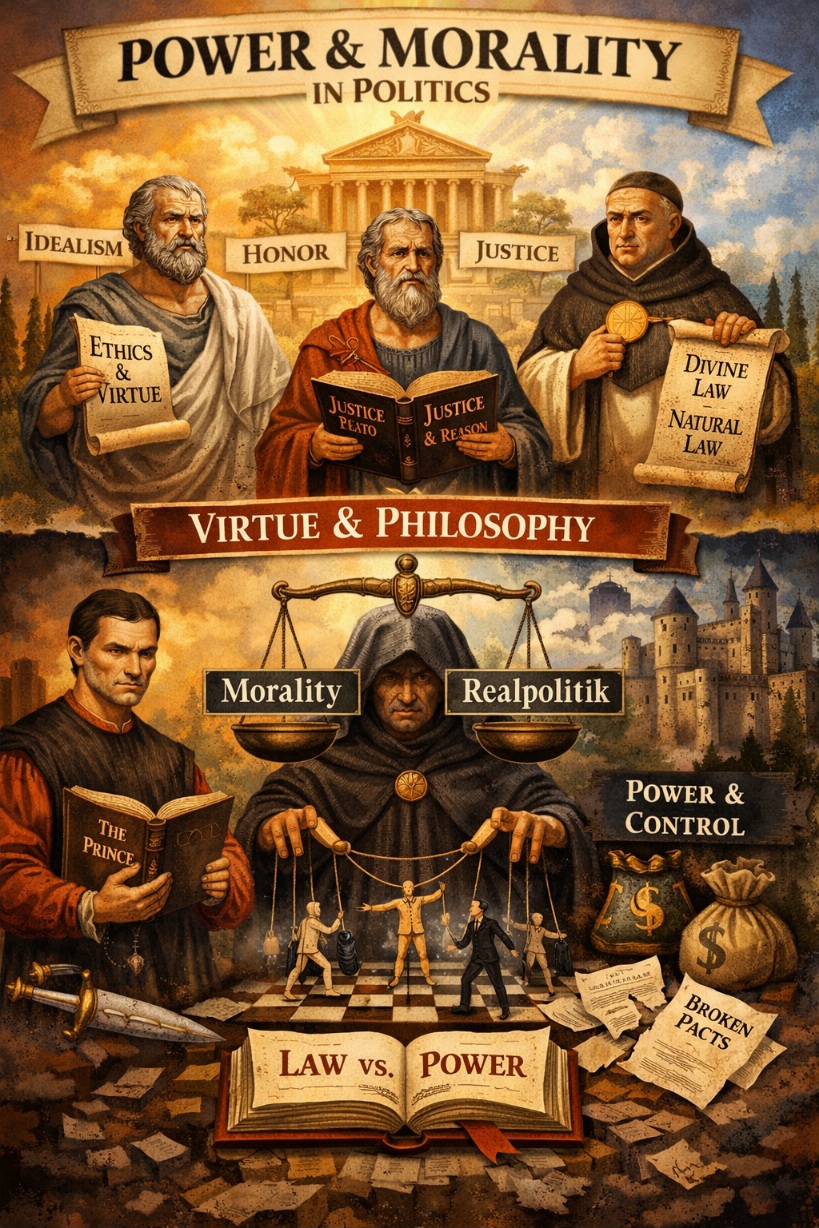
Aristotle, in his conception of the Polis, argues that politics exists for the good life, and that leadership must be anchored on virtue and ethical adherence. For him, the statesman is one who cultivates virtue in the political community.
Plato, in a similar vein, theorizes on goodness and virtuousness. In The Republic, he insists that the ideal ruler must be the philosopher-king, a man governed by reason, justice and moral excellence.
The Catholic theologian and philosopher, St. Thomas Aquinas, builds on this classical tradition. He speaks of virtuousness and distinguishes between divine law, natural law, human law and man-made law. For Aquinas, any human law that contradicts divine or natural law is unjust and lacks binding moral authority, and he encourages the citizenry not to obey such unjust laws.

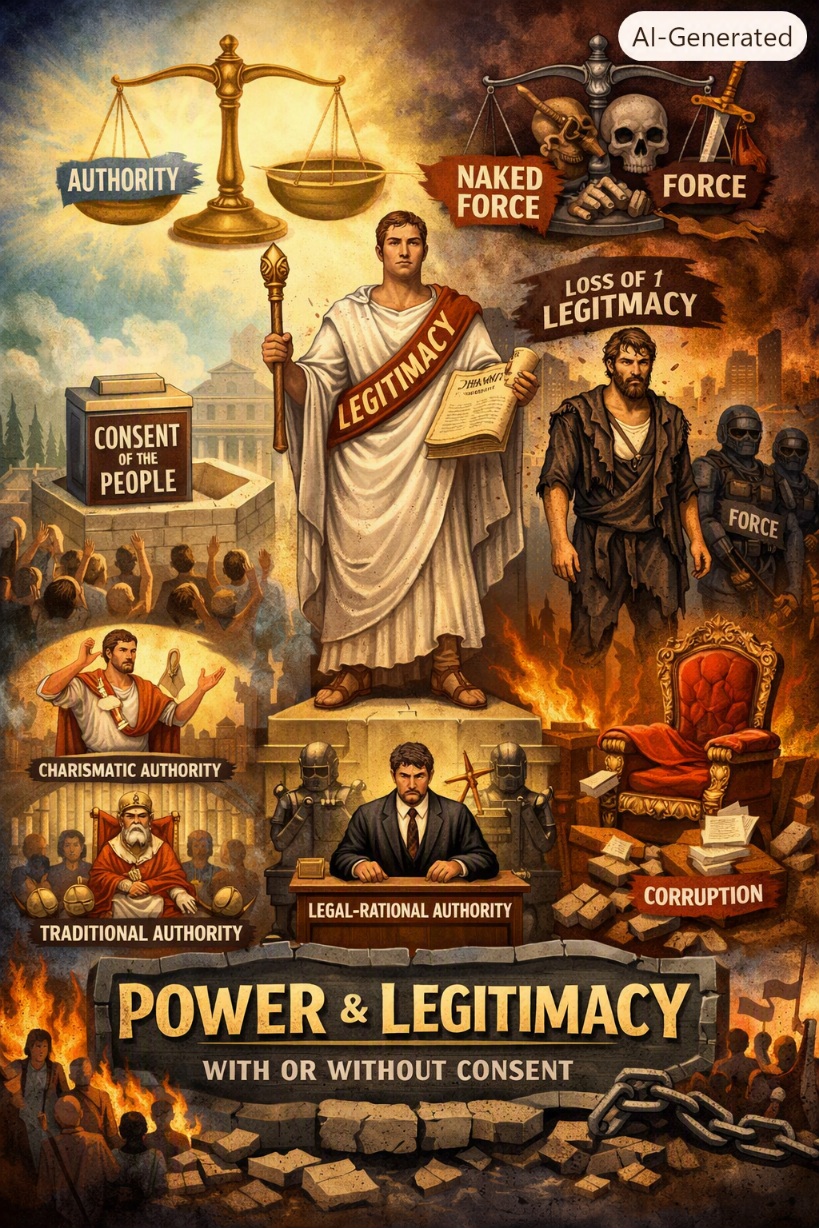
However, with the emergence of modern political thought in the Middle Ages and Renaissance, Niccolo Machiavelli made a clean break from the traditions laid down by Aristotle, Plato and St. Thomas Aquinas. In The Prince, Machiavelli propounded the position that a Prince or leader need not be a saint, a moralist or a puritan. For him, the measure of leadership is not moral purity but effectiveness in acquiring and retaining power.
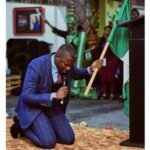
It is within this context that those who seek to invoke principles of morality, honour and the sanctity of a so-called gentlemanly agreement — allegedly signed by the presidential candidate of the National Democratic Congress, Peter Obi, and his vice-presidential candidate, Dr. Rabiu Musa Kwankwaso, to the effect that in the event Peter Obi wins the next presidential election and assumes office as president, he would not be entitled to run for a second term in 2031, even though the Constitution guarantees every president the right to a second bite at the cherry — miss the point entirely.
The dynamics of power do not pander to sermonizing, moralizing or gospelling. Politics, as a competition of interests, is about how a leader who seeks power is able to use the cunning skills that Machiavelli speaks of to navigate, meander, wriggle and manoeuvre his way through the most formidable labyrinth of obstacles strewn on his path, even if it means politically neutralizing everyone in his way to achieve the ultimate goal of acquiring power in order to satisfy the people once he has government in his hands.
Conclusion-
In essence, while Aristotle, Plato and Aquinas give us the normative foundation of what politics ought to be, Machiavelli gives us the descriptive reality of what politics actually is. The interplay of competing forces in a democracy is not governed by abstract morality but by realism, interest, strategy and survival. A private political pact cannot override the supremacy of the Constitution, nor can moral sentiment override the cold logic of power. In politics, legality and political efficacy ultimately triumph over gentlemanly sentiment.