By Okoi Obono-Obla
The Cultural Symbolism of Liman and Ankle Bangles in African Traditions
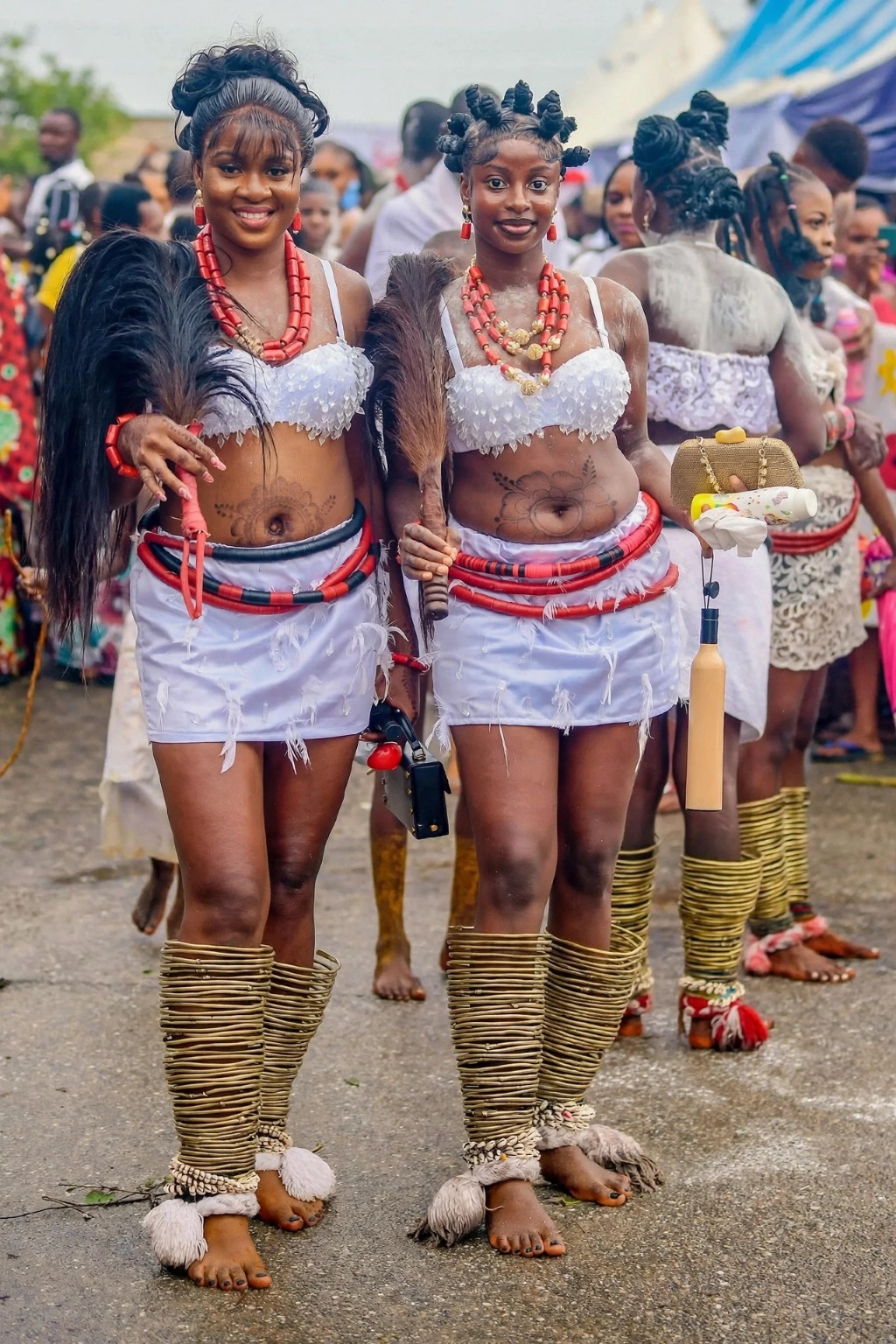
The spiral brass bangles worn by maidens during the annual New Yam Festival in Ugep, Yakurr, Bahumuno, and parts of Biase Local Government Area of Cross River State are called Liman (meaning “currency” or “money” in Yako/Yakurr). These bangles are an indispensable fashion style and a highly prized social symbol.
Made of brass—an alloy of copper and zinc with a golden hue—the Liman is more than adornment. Historically, it was a form of currency known as manilla, widely used across West, Central, East, and Southern Africa. Manillas served as a medium of exchange for market purchases, bride price, and burials. Tragically, they also became a currency in the transatlantic slave trade, where Europeans exchanged manillas for enslaved Africans, who were then transported to the Americas. The value of a slave in manillas varied by time, place, and circumstance.

In Ugep, Liman symbolizes wealth and prestige, with ownership restricted to a few families. Traditionally, they are passed down matrilineally through female members of the family, known as lejimo. Males do not inherit Liman. Upon the death of a woman who owns them, the bangles are inherited by her daughters. If she has no daughters, the inheritance passes to her nieces from her maternal line, but not to nieces from her brother unless their mother belongs to the same maternal clan.
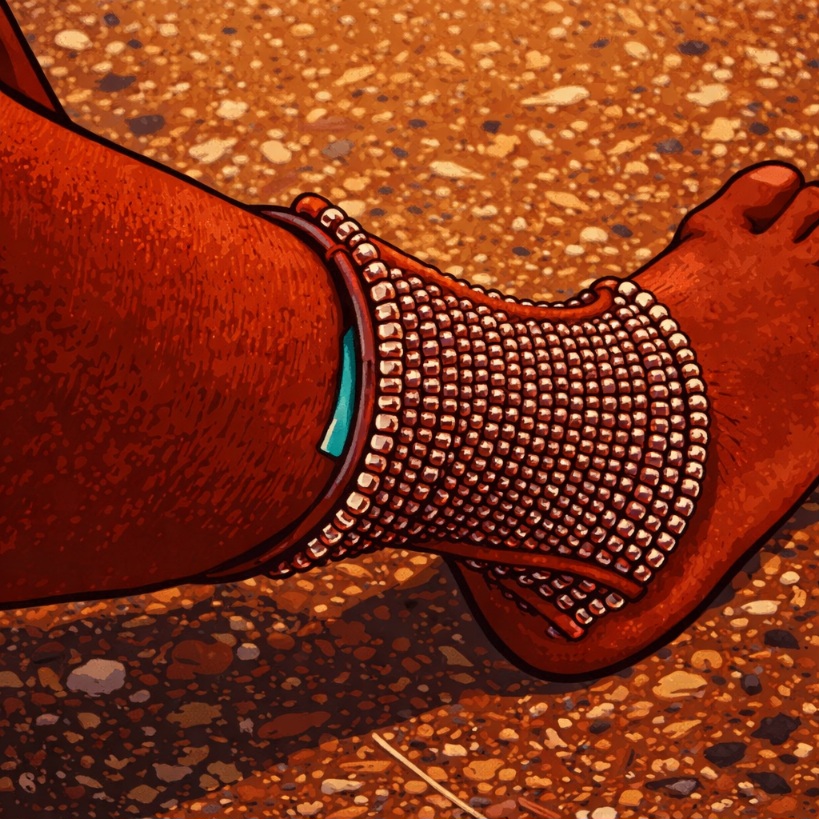
Beyond Ugep, ankle bangles are worn across Africa. The Himba people of Southern Angola and Northern Namibia, as shown in the picture, also wear short bangles on their ankles. The Himba are a Bantu people who share cultural traits with the Yakurr of Cross River State, Nigeria. Like the Yakurr, they practice a rare “bilateral descent” system, where every individual belongs to both their father’s clan (patriclan) and their mother’s clan (matriclan). While clans are led by the eldest male, inheritance is passed down matrilineally—for example, a man’s wealth is inherited by his sister’s sons rather than his own. This double kinship structure reflects a deep cultural parallel between the Himba and Yakurr peoples.
In many other African societies, bangles are worn on the hands, underscoring their widespread cultural significance and shared heritage across regions.
Conclusion:
The Liman and similar bangles are more than ornaments—they embody wealth, identity, continuity, and kinship. Their presence in festivals and daily life reflects both the resilience of cultural traditions and the interconnected histories of African societies.