By Okoi Obono-Obla
The Unforgotten Genocide: Ubaghara and Biakpan in the Biafran War:
Historical Context:
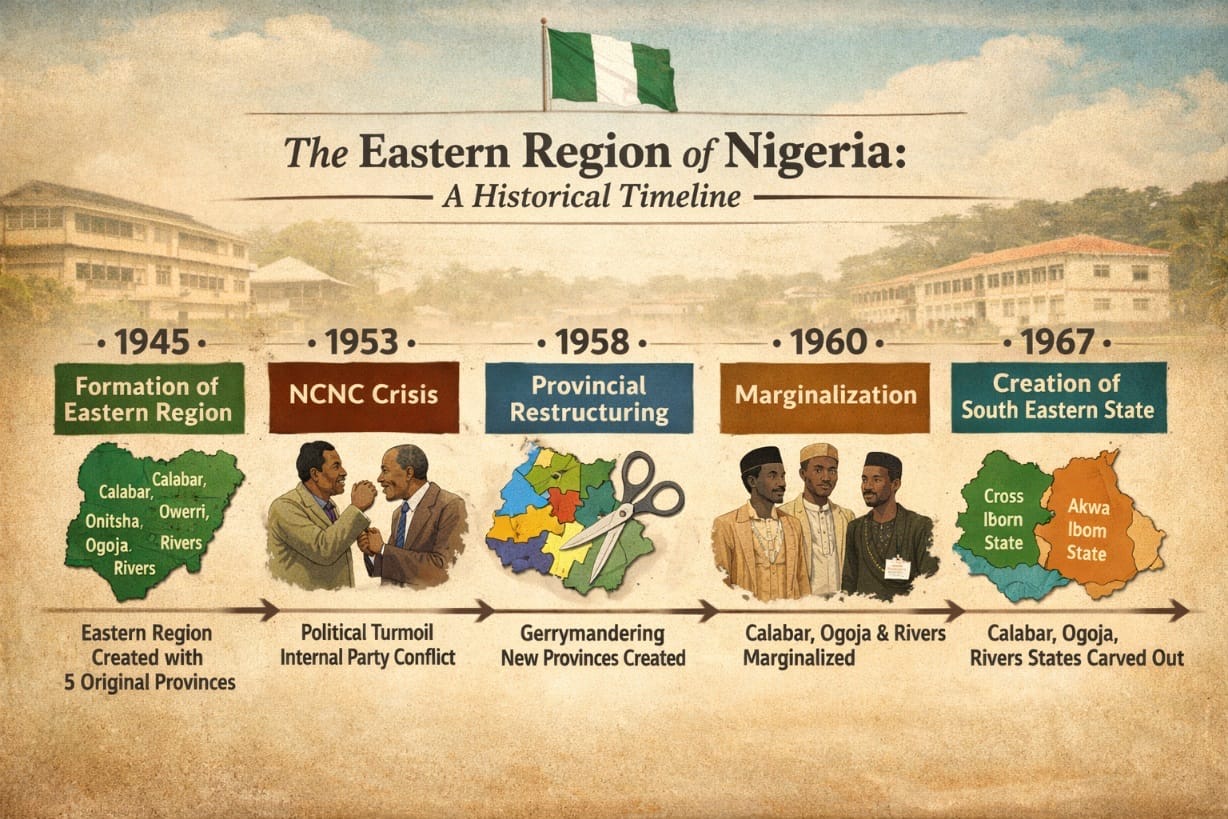
The defunct Republic of Biafra, declared by Colonel Chukwuemeka Odumegwu Ojukwu on 27 May 1967, arose from the diverse Eastern Region of Nigeria created in 1945. While the Igbo were the largest ethnic group, the region also included the Ibibio, Efik, Annang, Ijaw, Qua, Efut, Boki, Ubaghara, Yakurr, Bahumono, Oron, Ogoni, Ekoi, and others.
Many people from certain parts of the country, regrettably driven by ethnic bigotry, believed that Biafra belonged exclusively to them—ignoring the diversity of the Eastern Region. When Ojukwu declared secession, the agenda of Biafra’s leadership became clearer to those of us who were also victims of the pogroms in the North, which the secessionists claimed had precipitated their declaration.

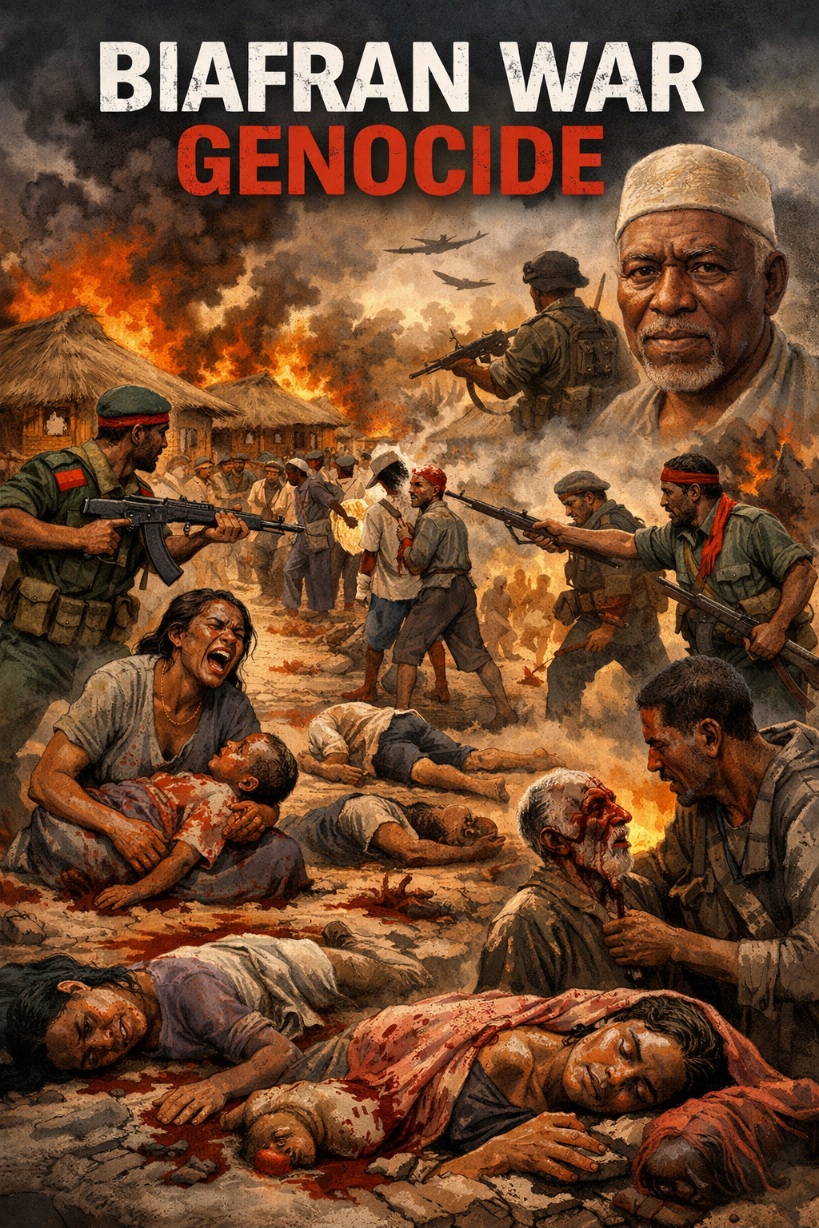
The Biafran Army itself was composed of men from across Eastern Nigeria. Families, including mine, had uncles and relations who served as officers and soldiers, some of whom paid the ultimate price. Yet, amidst the sacrifices, there were episodes of brutality and ethnic cleansing carried out by certain Biafran troops. One such tragedy was the massacre of the Ubaghara people of Biase Local Government Area in Cross River State—a story confirmed by survivors and witnesses such as Elder Ebri Eteng before his death in 2019.
Testimony of George Agbor:
“Chief Okoi, thank you very much. I was an eyewitness to the massacre of Ubaghara people—Ikun, Biakpan, Etono Central, and Etono II, although at that time Etono II was still part of Biakpan. I am an Ikun man. When the holocaust took place, my father was the Paramount Chief of Ikun. It was a massive decimation of the Ubaghara population.
The cause? Nothing—except that Dr. Kalu Ezera and Prof. Eni Njoku from Ohafia bribed the Biafran Army’s 9th Battalion commander, Capt. Boniface Nwakama, with £300 to allow the massacre. Their aim was to erase the Ubaghara people so that Ohafia could claim their land after the war.
In Ikun, we lost about 400 persons, excluding those who died in refugee camps. I later joined the Biafran Army, not to fight for Biafra, but to avenge the massacre by leaking information to Federal troops. Though wounded in action, I remain grateful to Elder Ebri Eteng for avenging the massacre in his own way. Let the Ohafias not deny anything—the massacre took place as reported by Chief Okoi.”
Testimony of Gabriel Netus Ukpentu Ebri Eteng:
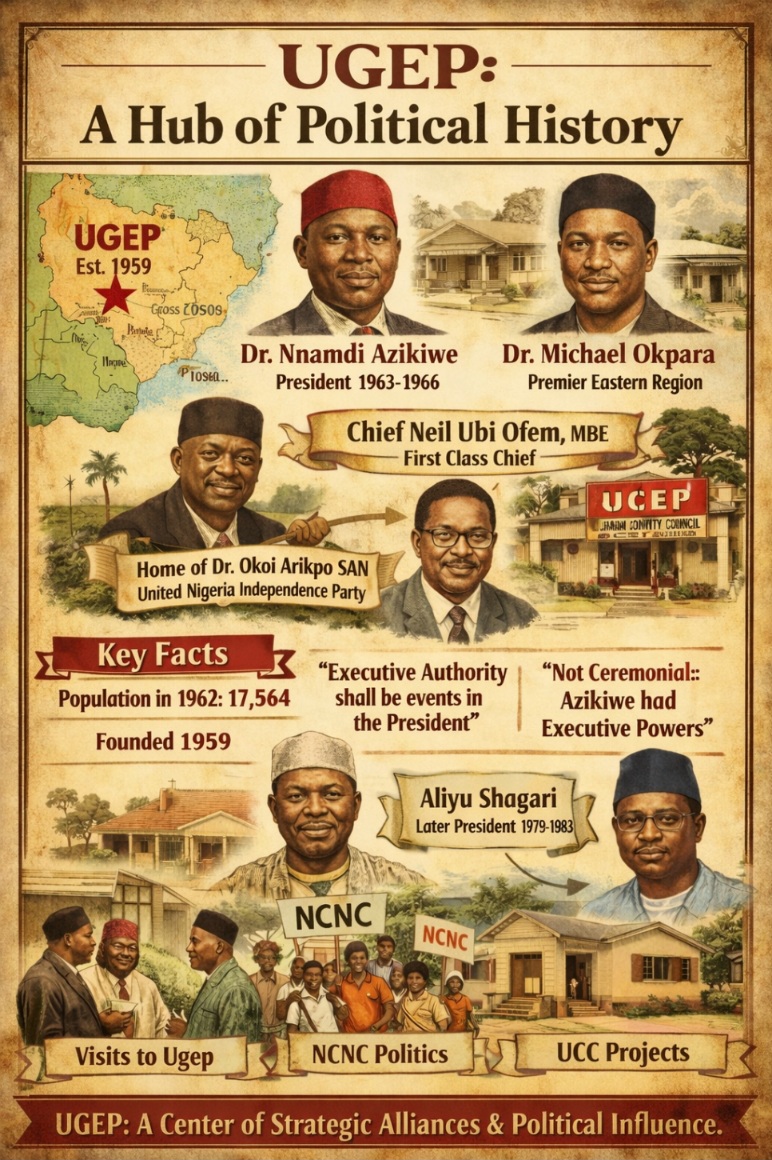
“Thank you, Chief Okoi, for this story. There was indeed a genocide at Biakpan during the civil war, and the Ebri Eteng you mention is the late Elder Ebri Usani Eteng from Lebolkom, Bikobiko, in Ugep.
The genesis of that event, as related to me by Biakpan elders, can be traced to a land dispute decided in favor of Biakpan by the Crown Court. This judgment never went down well with their Igbo neighbors, who used their commanding position in the Biafran Army to attempt to wipe out the Biakpan and Etono communities to seize the land.
Before the war, Ebri Eteng was a personal secretary to the late Nnamdi Azikiwe and lived in Enugu with his Biakpan wife and three children. When the war broke out, he joined the Biafran Army and sent his family to the village, believing they would be safer. When he heard of the invasion of Biakpan, he rushed there only to discover that his wife and children had been killed in the first massacre.
In grief and fury, he disabled the soldiers’ machine guns, killed the commanding officers, and organized the remaining villagers to escape. His intervention saved Biakpan from total annihilation. Later arrested and imprisoned at Abakaliki, he escaped with the help of a sympathetic warden. For his bravery, the Biakpan people hold him in eternal esteem. At his burial in 2019, they attended with a strong delegation, affirming their bond with the Ugep people.”
Reflection and Legacy:
The Biafran War was not only a struggle for survival against external forces but also a period of internal strife where ethnic rivalries led to tragic massacres. The genocide against the Ubaghara and Biakpan communities remains a painful reminder of how political ambitions and land disputes were pursued through violence.
Remembering these events honors the victims and heroes like Elder Ebri Eteng, ensuring that history does not erase their suffering or sacrifice. Their stories remind us that unity and justice must triumph over ethnic hatred and political manipulation.
Author’s Note
This account is based on firsthand testimonies and historical recollections from survivors and descendants of the Ubaghara and Biakpan communities. It seeks not to reopen wounds but to preserve truth, honor courage, and promote reconciliation among the peoples of the former Eastern Region of Nigeria.