By Okoi Obono-Obla
The Ubaghara People of Cross River State: Identity, Language, and Historical Roots of the 2 April 1968 Massacre Victims:
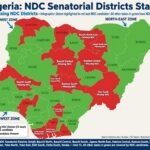
On 2 April 1968, during the tragic Nigerian Civil War, Biafran troops perpetrated a genocide against the Ubaghara ethnic nationality — a minority group in Cross River State, located in the South-South geopolitical zone and sharing a boundary with Abia State in the South-East. This massacre left deep scars on the community, and remembering the victims requires understanding who they were: a people with language, clans, and history rooted in the Cross River basin.
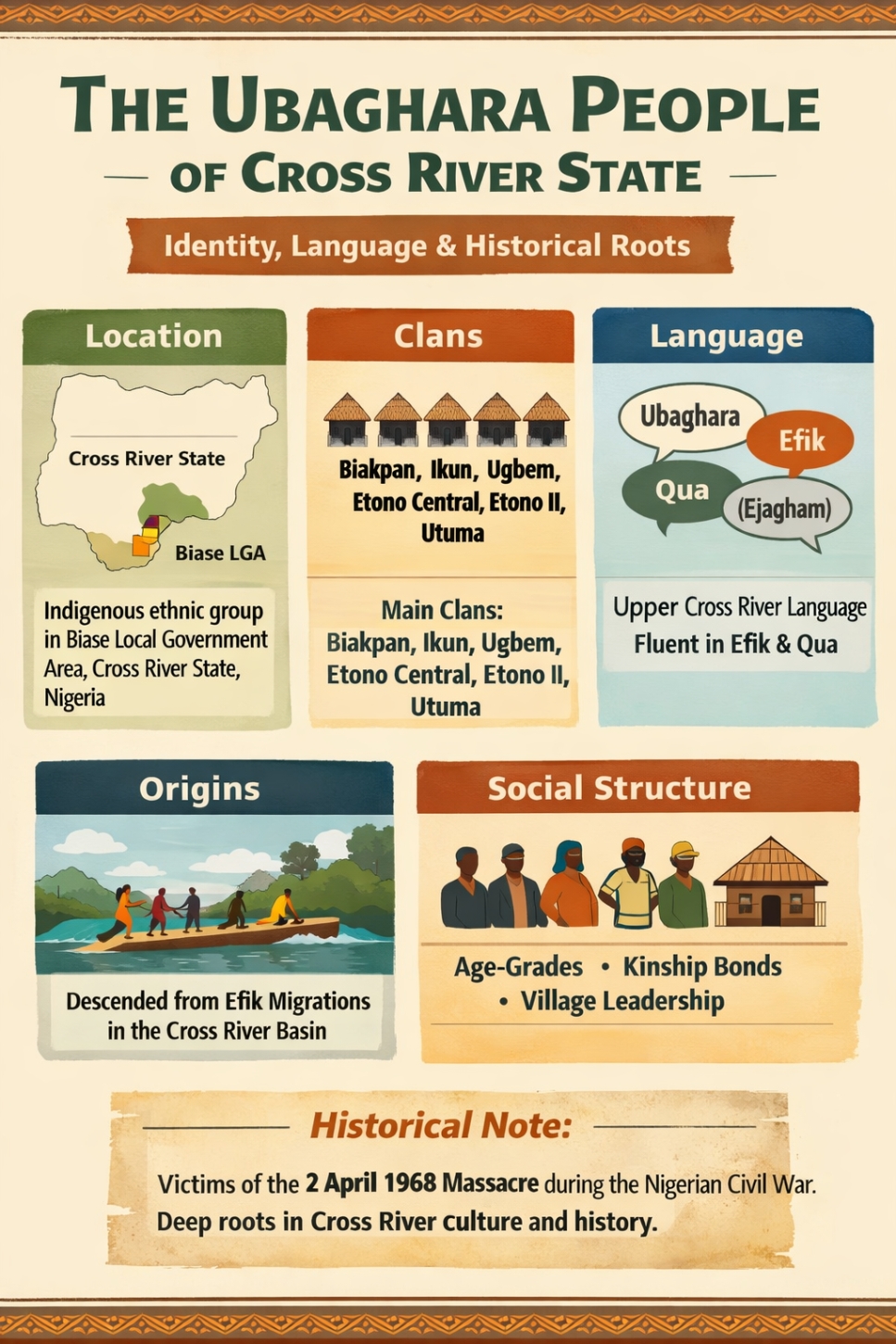
The Ubaghara are an indigenous ethnic group situated primarily in Biase Local Government Area of Cross River State, Nigeria. They belong to the Upper Cross River cultural and linguistic community and consist of several prominent clans, most notably Biakpan, Ikun, Etono, Ugbem, and Utuma.

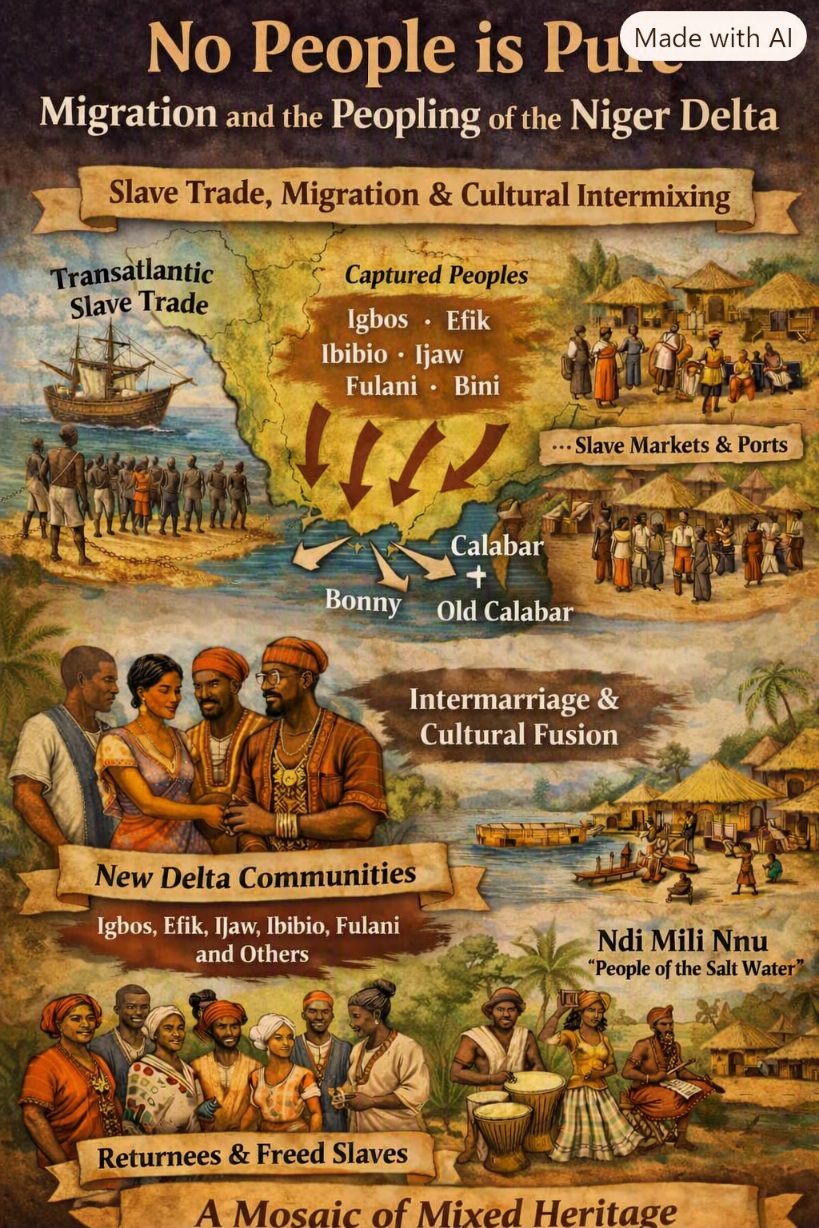
Historically, the Ubaghara trace their roots to early migration movements across the Cross River basin. Oral traditions and clan memory link their heritage to the historic Efik migrations that spread from the lower Cross River region. The Ubaghara language, spoken by the people, varies across communities but remains central to their identity. Due to centuries of trade, cultural exchange, and integration, many Ubaghara also speak and understand Efik fluently.
Social Structure:
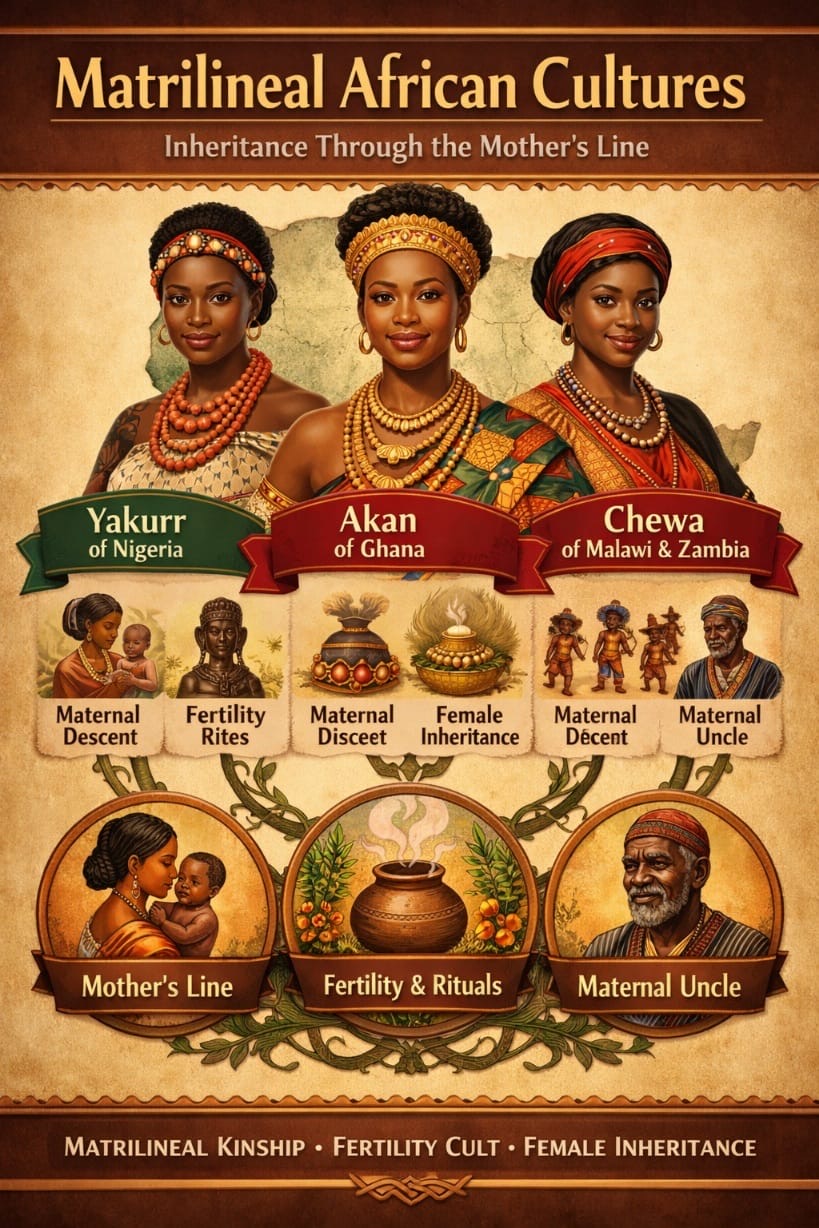
Like many ethnic groups in Cross River State, such as the Yakurr, the Ubaghara rely on age-grade systems, kinship bonds, and village-centred leadership. These structures reinforce community cohesion and cultural continuity.
Language and Classification:
Ubaghara is an Upper Cross River language spoken by the Ubaghara people, considered an Efik subgroup in Biase Local Government Area. The language blends elements of Efik and Qua (Ejagham), though in Biakpan many speakers still use Efik interchangeably. Linguistically, Ubaghara belongs to the Upper Cross River cluster, which includes Yakurr, Mbembe, Amon (Umon), Olulumo, Ukelle, Legbo, Agoi, and Bahumono.
Clans and Origins:
The Ubaghara clan includes Biakpan, Ikun, Ugbem, Etono Central, Etono II, and Utuma — collectively referred to as Biakpan Eburutu. The main village, Biakpan (Biakpan Eburutu), traces its origins to the Obutong clan section, itself a key formation during the historic Efik migration from Itu. This migration spread across the lower Cross River areas — Biase West, Odukpani, Calabar, Akpabuyo, and Bakassi.
Conclusion:
The Ubaghara are a distinct Upper Cross River people with deep historical, linguistic, and cultural ties to both the Efik and Ejagham. Documenting their heritage alongside the massacre of 2 April 1968 ensures that the victims are remembered not only for how they died, but for who they were — a people with clans, language, and traditions stretching back to the great migrations of the Cross River basin.