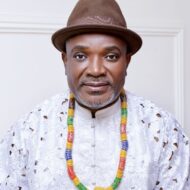
By Okoi Obono-Obla
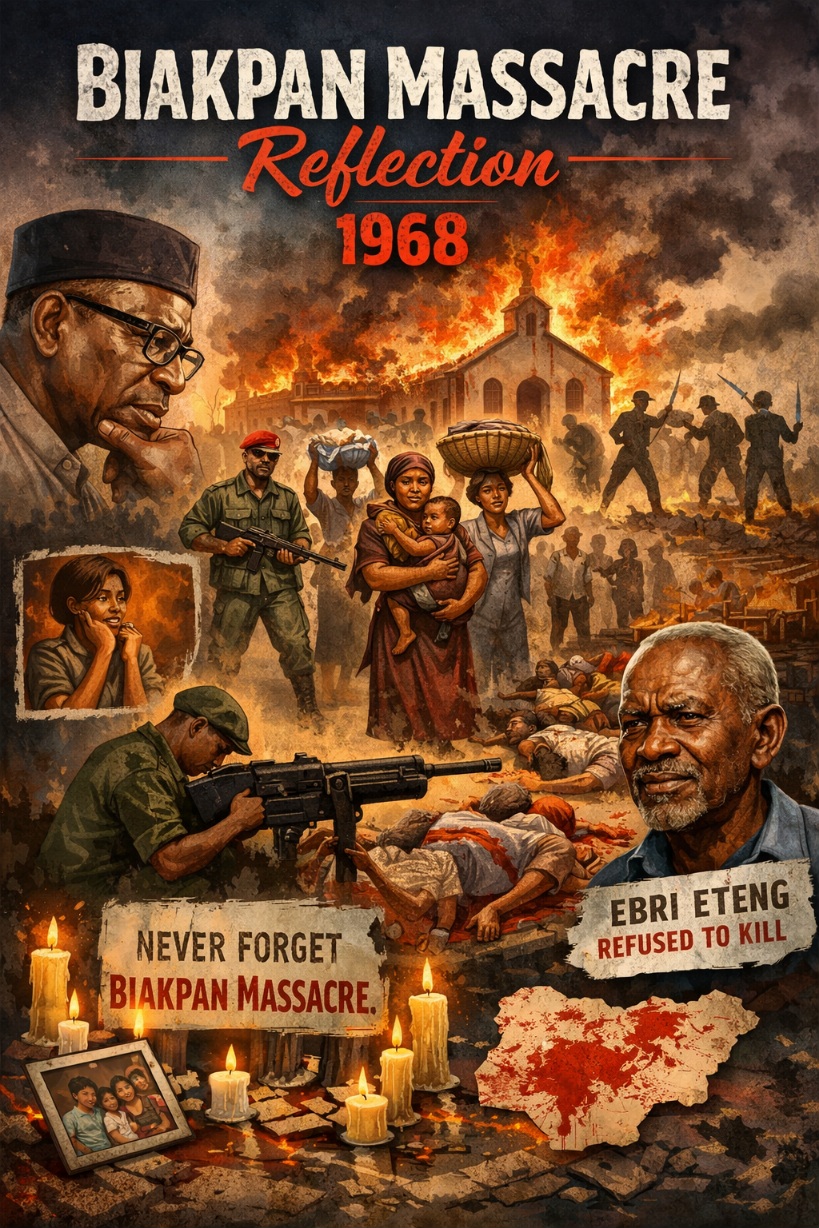
Remembering Biakpan: The Ubaghara Massacre of 1968:
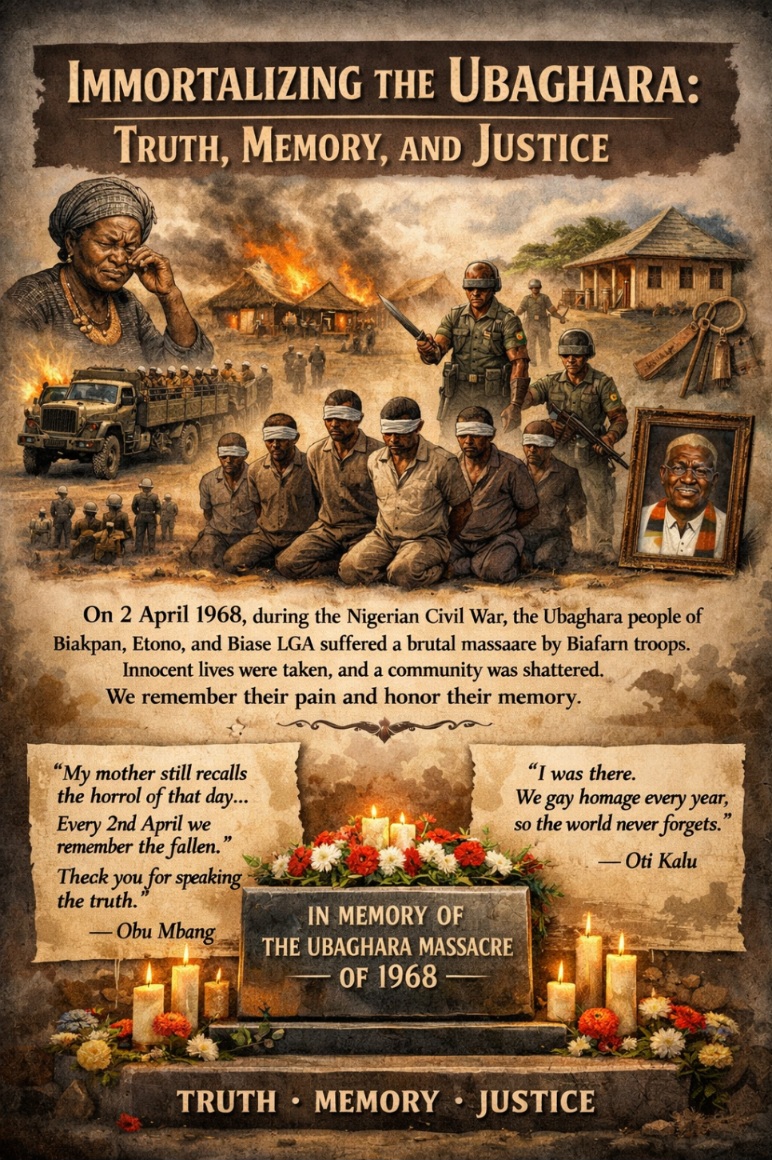
On 2 April 1968, during the Nigerian Civil War, genocidal Biafran troops carried out a brutal ethnic cleansing against the Ubaghara people of Biakpan, Etono, and other communities in Biase Local Government Area of Cross River State. This atrocity, which remains a violation of international law, has too often been denied or ignored — and I, who spoke out about it, was accused of peddling falsehood. Yet voices from within the community have risen to affirm the truth.
Obu Mbang wrote poignantly to counter these false narratives:

“I call on the entire Ubaghara to set a day to commemorate this special event in the history of our people. My mother is still here with memories of the mass killing of Biakpan people. Every 2nd April is remembered in Biakpan community as a day when nobody dared to go to the farm, just so the story of the massacre by the Biafran army could be told. Chief, thank you so much for lending your voice to the evil that was done to the Ubaghara people 58 years ago. May the soul of Chief Ebri Eteng rest in peace. God bless. I think I can rest well, as some of us are privileged to have the story told by our parents who were victims but survived. Ebri Eteng suffered greatly after the massacre of his entire family in Biakpan land.”
Oti Kalu also testified:
“I am from Biakpan, and I can tell you that the incident happened. 2nd April is the day set aside to remember the unfortunate event. Twelve lorries were used to convey young men to where they were killed. One of the Biafran soldiers, who was in charge of one lorry, diverted his own to his community to at least prevent a total extinction of that community. We pay homage to this every year. Only the late Reverend Ogarekpe’s house was spared, because he kept the keys to the Presbyterian Church. The Biafran troops came under the guise of amnesty, mopped up everything that looked like a weapon, and struck the next morning. Men were lined up on the street and their heads chopped off one after another.”
It has now been 58 years since this tragic event, yet the pain remains fresh in the collective memory of the Ubaghara people. In partnership with Barrister Stanley Dien and other well‑meaning individuals from Cross River State, who strongly feel that history has not been fair to the Ubaghara people — perhaps because of their minority status in Nigeria’s complex mosaic — we intend to ensure that the victims of this massacre are immortalized. Their suffering and resilience must be etched into history, not forgotten.