

By Okoi Obono-Obla
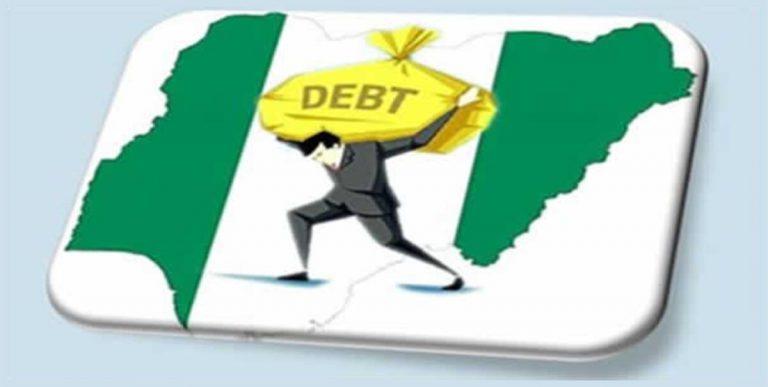
The furore, outcry, and hullabaloo generated by the controversy over borrowing by President Bola Ahmed Tinubu’s administration, particularly among some Nigerians including the opposition, triggered my quest to conduct research. My objective was to establish whether or not Nigeria is the greatest debtor nation in Africa, as some people would have us believe. The findings revealed that Nigeria is indeed not one of the greatest debtor nations in Africa. To arrive at this conclusion, I used the following parameters as benchmarks to ascertain the indebtedness of nations:
Leading African Debtors by Total Nominal BurdenAccording to data tracked by the International Monetary Fund (IMF) and national databases, the largest total nominal sovereign debt portfolios belong to the continent’s major economies:
Egypt: ~$370.5 billion

South Africa: ~$278.1 billion
Algeria: ~$123.3 billion
Morocco: ~$107.7 billion
Sudan: ~$94.9 billion
Kenya: ~$84.2 billion
Nigeria: ~$73.9 billion
Nigeria comes last in this list of African countries with the largest total nominal sovereign debt.
Leading African Debtors by Debt-to-GDP Ratio:
The debt-to-GDP ratio provides insight into economic sustainability by comparing what a country owes to what it produces. High ratios signal increased vulnerability to currency shocks and high debt-servicing costs.
The highest overall debt-to-GDP ratios include:Senegal: 156%
South Africa: 149%
Tunisia: 143%
Republic of the Congo: 131%
Morocco: 124%
Zambia: 120%
Mozambique: 118%
Nigeria does not fall into the category of African countries with the highest overall debt-to-GDP ratios.
Top Borrowers by Institutional Creditor:
World Bank (IDA Concessional Loans)In this category, Nigeria occupies the number one position among African countries:
Nigeria: $18.5 billion
Ethiopia: $14.4 billion
Tanzania: $14.3 billion
Kenya: $13.2 billion
Ghana: $7.4 billion
International Monetary Fund (IMF) Nigeria is not presently indebted to the IMF, whereas Egypt, Africa’s second-largest economy after South Africa, tops the list.
International Monetary Fund (IMF):
Nigeria is not presently indebted to the IMF, whereas Egypt, Africa’s second-largest economy after South Africa, tops the list:
Egypt: $7.55 billion
Côte d’Ivoire: $3.62 billion
Kenya: $2.93 billion
Ghana: $2.83 billion
Angola: $2.49 billion
Bilateral Debt Owed to China:
China is Africa’s largest bilateral creditor, heavily funding transport, energy, and logistics infrastructures. The top countries holding Chinese debt obligations are:Angola: ~$43 billion
Ethiopia: ~$14 billion
Zambia: ~$10 billion
Kenya: ~$9 billion
Presently, China is not financing major transport, energy, or logistical infrastructures in Nigeria.
Conclusion:
Debt is not inherently bad, provided loans are judiciously managed and channeled toward developmental projects. This aligns with President Bola Ahmed Tinubu’s assertion that borrowing is not “leprous,” especially when borrowed funds are repaid responsibly. Nigeria’s current borrowing strategy is directed toward ambitious infrastructural projects such as the Lagos–Badagry–Sokoto Super Highway and the Lagos–Calabar Super Highway.
From the data, it is clear that Nigeria is not the greatest debtor nation in Africa. While Nigeria does hold significant exposure to World Bank loans, its overall debt burden and debt-to-GDP ratio remain lower than those of many other African countries. The narrative that Nigeria is the continent’s largest debtor is therefore misleading.











Given, Nigeria is not the Highest debtor Nation in Africa, Nigeria is not indebted to the International Monitory Fund IMF, but will you in all honest say, loans secured by President Bala Ahmed Tinubu APC led admistration are well or judiciously manage and channel to the intended infrastructural project it was meant to finance?