
By Okoi Obono-Obla
In Yakurr, society is organized around a maternal social structure. Even if a Yakurr woman marries someone from outside Yakurr, the children of that union automatically become part of her maternity. These children are entitled to all the rights and privileges that accrue to anyone from the woman’s place of origin.
In other words, when a Yakurr woman marries outside, she does not lose her rights, privileges, or identity as Yakurr. Her lineage and heritage remain intact, and her children continue to enjoy full recognition within the Yakurr community.
One of the most intriguing reactions to this assertion came from Honourable Joliba Arikpo, who asked:
“Can a male child borne out of this wedlock ascend the throne if the mother is of the Leboljimor?”

My response: Surely. Among the Yakurr people, children born out of wedlock are recognized and regarded as legitimate members of the community. They enjoy full rights and privileges equal to those born within wedlock. Our ethos regards children as gifts from God, and no matter the circumstances of birth, the father must accept and raise them. Even if a father refuses responsibility, his relatives can step in to care for the child, providing all that the father would have offered. Such relatives, whether male or female, may adopt the child and integrate him into the Lejimo (the matrilineal family to which the man belongs) or into the patrilineal family.
Furthermore, under the Nigerian Constitution, no distinction exists between children born within or outside wedlock, as the law prohibits discrimination.
The Yakurr society is one of the few in Africa that practices a double kinship apical structure — both matrilineal (descent through the female line) and patrilineal (descent through the male line). There are 91 matrilineal clans in Yakurr.
Based on ethnographic data, other African societies that practice double kinship include:
– Yako (Yakurr) of Nigeria: The most prominent example cited by anthropologists. Land and immovable property pass through the patrilineal line, while movable property (like livestock) and money are inherited through the matrilineal line.
– Lo Dagaba of Ghana: Known for their classic double descent system, with separate matrilineal and patrilineal clans defining inheritance, residence, and funeral obligations.
– Himba of Namibia/Angola: Livestock inheritance follows the maternal line, while residence and social affiliation follow the paternal line.
– Herero of Namibia: Similar to the Himba, with land and livestock rights divided between patrilineal and matrilineal descent groups.
– Afikpo Igbo of Nigeria: A subgroup of the Igbo recognized for their double-unilineal system in social, religious, and property relations.
– Ijo (Ijaw) of Nigeria: Movable property is inherited from the maternal uncle, while fixed property comes from the father.
– Nuba of Sudan: Certain Nuba populations practice dual descent systems.
– Mo of Ghana: Another notable group with double-unilineal descent.
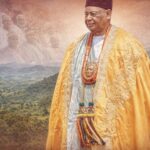
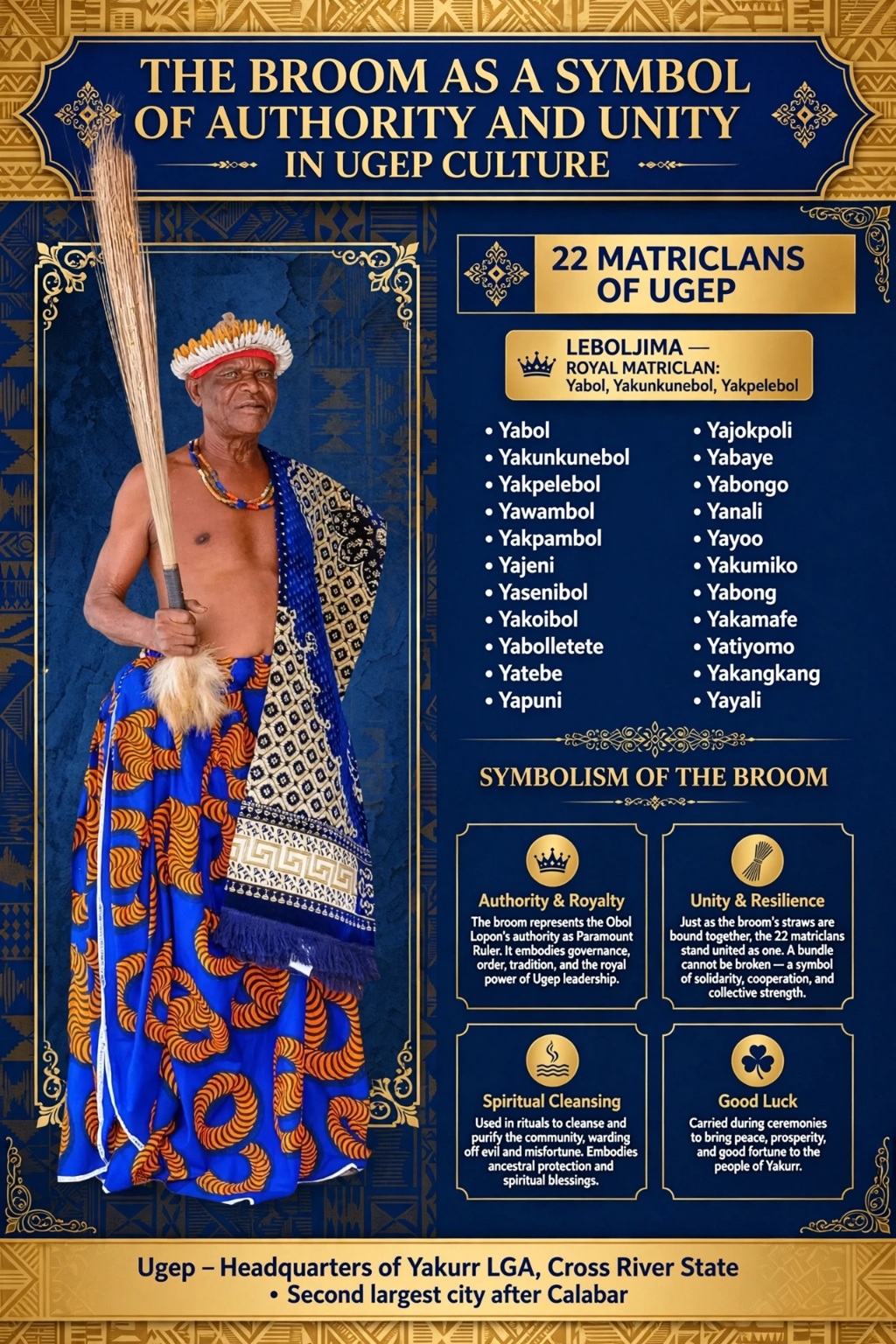
Within Yakurr, one of the matrilineal clans is known as Leboljima (The Royal Matrilineal Clans). All Obol Lopon (monarchs of Ekori, Ugep, Mkpani, Idomi, and other Yakurr communities) traditionally come from this clan.
However, history records departures from this precedent. For example, Obol Michael Enang Obeten, who reigned as Obol Lopon of Ugep from the mid-1950s until 1986, was not from Leboljima. Rather, he was an Okpan of his father, who himself was a member of Leboljima.
Conclusion:
The Yakurr system of double kinship reflects a unique balance between matrilineal and patrilineal descent, ensuring inclusivity and continuity of heritage. While royal succession traditionally favors the Leboljima clan, historical exceptions demonstrate the flexibility and resilience of Yakurr cultural norms.
Tags
Kepon