by Agbonmagbe Kazeem
Few figures in African history combined intellect, governance, and political discipline the way Chief Obafemi Awolowo did. He was not just a politician—he was a constitutional architect, economic planner, and ideological force whose ideas still shape Nigeria today.
HUMBLE BEGINNINGS THAT FORGED A LEGEND
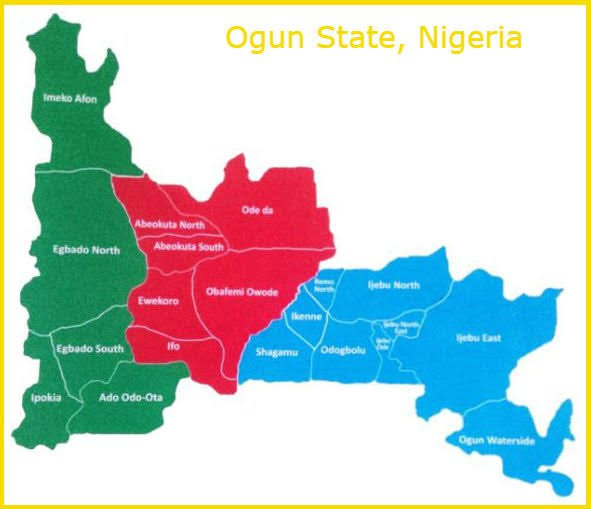
Born on March 6, 1909, in Ikenne (present-day Ogun State), Awolowo’s early life was marked by hardship and responsibility.

Lost his father at a young age, forcing early maturity
Worked as a teacher, clerk, journalist, and trader to survive
Became active in nationalist politics through the Nigerian Youth Movement
Developed a deep awareness of colonial injustice and regional inequality
Even in his youth, he was known for discipline, intelligence, and organizational ability—traits that later defined his leadership style.
LONDON YEARS: WHERE A POLITICAL PHILOSOPHER WAS BORN
In the 1940s, Awolowo traveled to the United Kingdom, where he studied law and qualified as a barrister in 1946.
But his most important transformation was intellectual, not just academic:
Founded the Egbe Omo Oduduwa, promoting Yoruba unity and cultural identity
Published his groundbreaking work Path to Nigerian Freedom
Developed his lifelong doctrine of true federalism
Engaged deeply with global anti-colonial and Pan-African ideas
His central political belief was clear:
Nigeria could only survive if power was decentralized, allowing regions to develop at their own pace while remaining united.
RISE TO POWER: THE ACTION GROUP REVOLUTION
In 1951, Awolowo founded the Action Group (AG)—a highly organized political movement built on ideology, discipline, and social reform.
He later became:
First Premier of the Western Region (1954–1960)
Leader of Opposition at the federal level (post-1960 independence era)
Federal Commissioner for Finance during the civil war years
TRANSFORMATION OF THE WESTERN REGION (HIS GREATEST ACHIEVEMENT)
Under Awolowo’s leadership, the Western Region became the most advanced region in Nigeria at the time.
Landmark reforms included:
Introduction of free primary education in 1955 (a historic African milestone)
Creation of Western Nigeria Television Service (1959) — the first TV station in Africa
Expansion of free healthcare for children
Massive investment in agriculture, especially cocoa production
Development of structured civil service and modern economic planning
He didn’t just govern—he engineered a development model ahead of its time in Africa.
POLITICAL CRISIS, TRIAL & PRISON YEARS
Nigeria’s First Republic was politically unstable, and Awolowo became a central figure in its crisis.
Internal conflict split the Action Group in 1962
He was accused of treasonable felony
Sentenced to 10 years in prison (served about 3 years)
But prison did not silence him—it amplified him.
While imprisoned, he wrote major political classics:
Thoughts on Nigerian Constitution
The People’s Republic
Adventures in Power
These works positioned him as one of Africa’s most intellectual political thinkers.
NATIONAL SERVICE DURING WAR TIMES
After his release, Nigeria was engulfed in civil war (1967–1970).
Awolowo served as:
Federal Commissioner for Finance
Key architect of wartime economic strategy
Influential voice in national stabilization policies
His role during this period shifted his image from regional leader to national strategist.
LATER POLITICAL STRUGGLES (1979–1983)
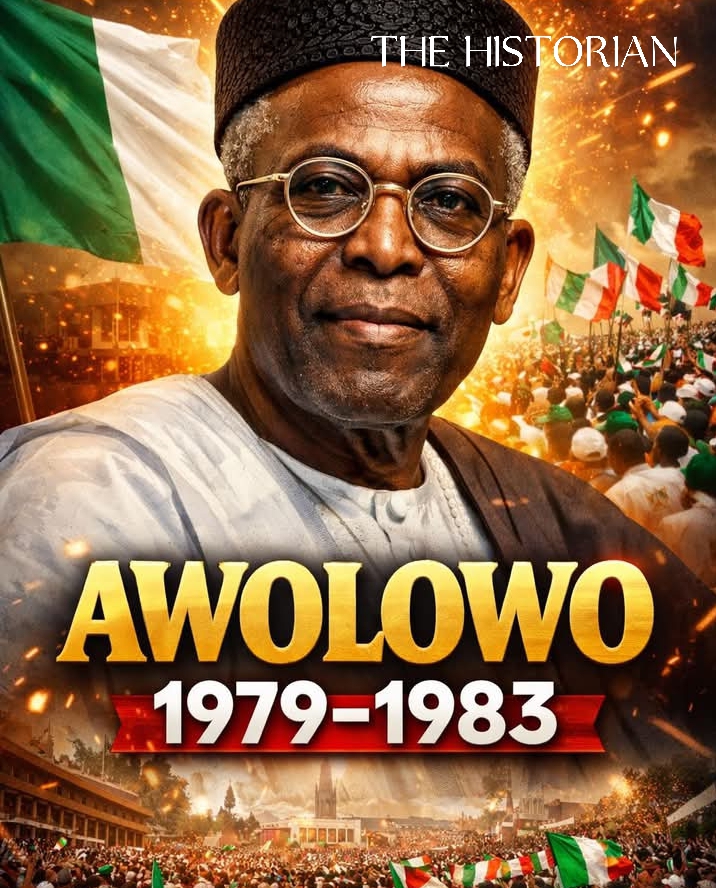
During Nigeria’s Second Republic, Awolowo led the Unity Party of Nigeria (UPN).
His campaign was built on social welfare:
Free education at all levels
Free healthcare system
Rural development and economic planning
He contested presidential elections in 1979 and 1983 but did not win. However, even in defeat, he remained widely respected as Nigeria’s most structured and ideological politician.
DEATH OF A STATESMAN
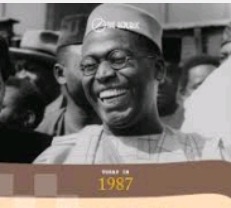
Chief Obafemi Awolowo d!ed on May 9, 1987, in his hometown Ikenne at the age of 78.
His death was met with nationwide respect and mourning—crossing ethnic, religious, and political boundaries.
AFTERLIFE BELIEFS & MORAL PHILOSOPHY
Awolowo was a devout Methodist Christian, and his worldview was deeply moral.
He believed:
Life is a temporary responsibility before God
Leaders are accountable not just to people, but to divine judgment
Public service must be guided by ethics, discipline, and sacrifice
His philosophy emphasized moral consequences after death, rather than mystical interpretations of the afterlife.
LEGACY THAT STILL SHAPES NIGERIA TODAY
Even decades after his death, Awolowo’s influence remains deeply embedded in Nigeria:
His free education model influenced national education policy
His federalism theory still drives constitutional debates
Obafemi Awolowo University (OAU) stands as a major academic legacy
Featured on Nigeria’s 100 naira currency note
Remembered as “The Sage” and “Awo the Great”
He is widely regarded as one of Africa’s most intellectually disciplined political leaders.
FINAL REFLECTION
Awolowo was not just a participant in Nigeria’s history—he was a designer of its political imagination.
He lived as:
A thinker before a politician
A planner before a ruler
A reformer before a statesman
His ideas continue to echo in Nigeria’s education system, federal structure, and political debates.
EDUCATIONAL DISCLAIMER
This content is provided strictly for educational and historical purposes. Readers are strongly encouraged to carry out further personal research using credible academic materials, historical biographies, and scholarly sources to gain deeper and more balanced insights into Nigerian history and political development.
“THE HISTORIAN”