By Comrade Kunle Sodipo FICSSM, MNIMN, ANIPR
_May 27, 2026_
Nigeria does not fail in a vacuum. It fails because millions of Nigerians wake up every day and actively participate in the failure, then spend the evening blaming “the government.”
If you want to understand why roads collapse, hospitals don’t work, schools produce graduates who can’t read, and children are kidnapped for ransom, look past Aso Rock for a minute. Look in the mirror. The nation’s woes are not imposed from outer space. They are built, maintained, and defended by its own citizens.

1. We Sell Our Votes, Then Cry About Bad Leadership
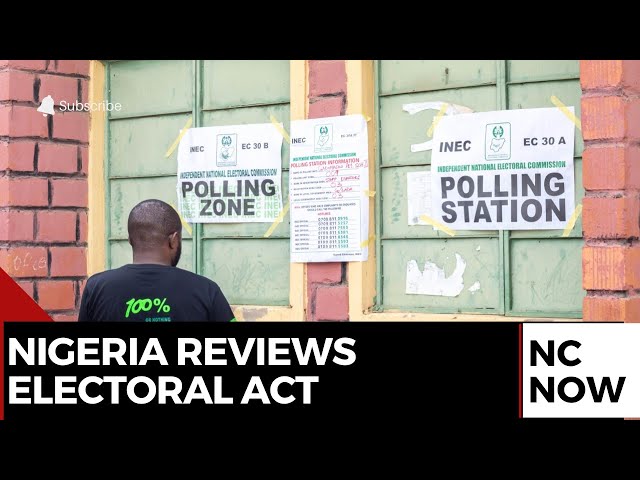
Every election cycle, we reduce our future to ₦2,000, a bag of rice, and a promise we know is fake. We vote for the man who shares cash, not the one with a plan. Then we spend the next four years shouting “leaders are wicked.”
You cannot auction your conscience and expect integrity in return. A people who trade their ballot for bread will eat hunger for four years.
2. We Bribe, Then Complain About Corruption
The policeman who takes ₦500 to let you off did not learn corruption in Abuja. You offered it. The customs officer who “settles” your container is responding to an importer who prefers shortcuts to due process. The student who bribes for grades becomes the doctor who bribes for contracts and the engineer who bribes for substandard construction.
Corruption in Nigeria is not a top-down disease. It is a national culture practiced from the market stall to the ministry.
3. We Celebrate Fraud as Hustle
We call internet fraudsters “sharp guys.” We spray money on musicians who sing about yahoo. We give traditional titles to men whose only enterprise is crime. Then we wonder why legitimate business is hard and why investors don’t trust us.
When crime is glamorized, the line between hustle and theft disappears. A society that worships money without asking its source is a society eating itself.
4. We Prioritize Tribe and Religion Over Competence
We will defend a corrupt kinsman to the death and call it “loyalty.” We will reject a competent outsider because he is from the wrong region or worships the wrong way. This is how we end up with unqualified people in critical positions — managing hospitals, securing borders, teaching children.
Tribal and religious bigotry is not patriotism. It is a slow poison that turns a country into 250 nations at war with each other.
5. We Normalize Lawlessness and Call It “Survival”
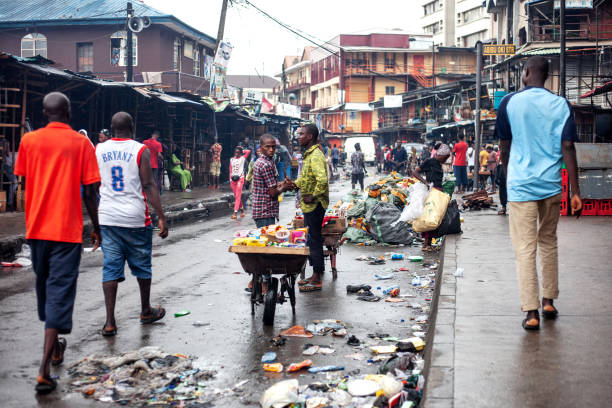
We drive against traffic and call it smart. We build on waterways and blame flooding on “climate change.” We vandalize pipelines, then complain about fuel scarcity. We refuse to pay tax, yet demand world-class infrastructure.
Lawlessness is not resistance. It is self-sabotage. Every shortcut we take today becomes a crater we fall into tomorrow.
6. We Demand Accountability From Leaders But Not From Ourselves
We want the President to fix everything while we refuse to pay NEPA bill, evade tax, dump refuse in gutters, and cheat in exams. We want judges to be incorruptible while we bribe them. We want honest police while we offer them bribes.
Nation-building is not a spectator sport. You cannot sit in the stands, throw sachet water on the pitch, and expect the team to win.
The Hard Truth
Nigeria’s problem is not a lack of resources, talent, or potential. It is a deficit of civic character. Too many citizens see the country as a place to extract from, not a project to build. We are excellent at outrage, terrible at responsibility.
If we want a different Nigeria, it will not come from waiting for a messiah in 2027. It will come when the average Nigerian decides that bribery is shameful, that competence matters more than tribe, that the law applies to me first, and that “it’s not my business” is the fastest way to destroy my business.
Until then, we will keep doing evil to our own nation with our own hands, and calling it fate.
The question is simple: When will we stop?