

By Idowu Ephraim Faleye +2348132100608
A nation is more than a geographical territory. Every sovereign country has symbols that identify it, distinguish it from others and represent its collective existence. These symbols are not ordinary objects that individuals can accept or reject according to personal preferences. They represent the sovereignty, identity and authority of the nation itself.
The national anthem, flag, currency, coat of arms and national pledge are fundamental instruments of national identity and unity. Their significance goes beyond their physical appearance or ceremonial functions. They represent the collective aspirations, values and history of a country. More importantly, they provide a common identity within which people of different ethnic, religious and cultural backgrounds coexist.
Consider Nigeria’s national anthem, “Nigeria, We Hail Thee”. Its opening words are not an expression of loyalty to a president, political party or ethnic group. They express loyalty to Nigeria. Its reference to different tribes and tongues standing together in brotherhood reinforces the idea that despite our differences, we belong to one country. The national anthem reminds us that our individual identities must exist within a larger national identity.

The national flag communicates the same message. It represents Nigeria’s sovereignty, territorial integrity and national identity. When the Nigerian flag flies at home or abroad, it represents the entire country and its people. It does not belong to the president, the ruling party or any ethnic group. Similarly, the naira represents our monetary sovereignty and provides a common medium of economic exchange for Nigerians, regardless of their ethnic or religious backgrounds.
The coat of arms represents the authority, heritage and aspirations of the Nigerian state, while the national pledge expresses citizens’ collective commitment to their country and their responsibilities towards it. Together, these symbols provide a common identity that transcends political, ethnic and religious differences.
National symbols are not products of individual creativity or personal preference alone. An individual may design a flag, compose an anthem or propose an emblem, but such creativity does not automatically confer national status on the creation. Official national symbols derive their legitimacy from the authority of the state through constitutional provisions, legislation or other legally recognised processes. Their adoption, replacement or alteration must follow the appropriate procedures.
Once officially adopted, national symbols become part of the collective heritage of the country. No individual, political party, ethnic group or religious organisation can independently replace them with preferred alternatives. People may have personal attachments to other symbols, but personal preference cannot override the authority of the state.
National symbols also serve an important international purpose. They distinguish one country from another and provide recognisable expressions of national sovereignty. Although some countries share similar flag colours or currency names, their symbols must retain sufficient distinction to establish their national identity. A nation’s identity must be recognisable and protected.
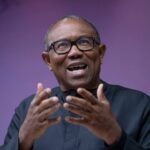
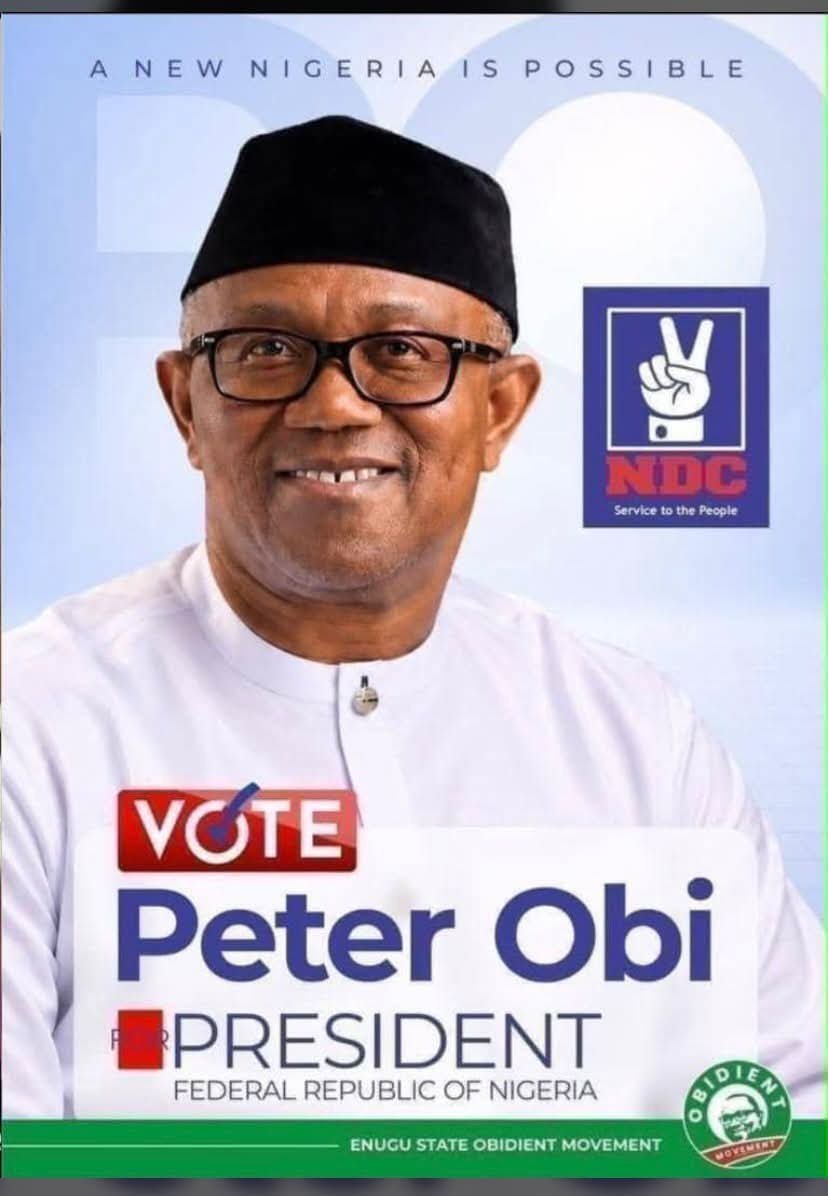
Unfortunately, this understanding of national identity appears to be missing in some aspects of our political conduct. A troubling example emerged at the Nigeria Democratic Congress (NDC) town-hall meeting in Lagos on November 12, 2026, involving Peter Obi, a presidential candidate of NDC.
Reports and videos from the event showed that when participants were invited to stand for Nigeria’s current national anthem, “Nigeria, We Hail Thee”, Peter Obi and some other attendees did not stand or participate. The event anchor subsequently switched to the former anthem, “Arise, O Compatriots”, which Obi and other supporters sang.
The incident attracted public attention because the anthem they chose to sing was no longer Nigeria’s officially recognised national anthem. For context, Nigeria adopted “Nigeria, We Hail Thee” at independence in 1960. It was replaced in 1978 by “Arise, O Compatriots”. However, on May 29, 2024, President Bola Tinubu signed the National Anthem Act, 2024, restoring the former anthem. Consequently, “Arise, O Compatriots”, despite its historical significance and emotional attachment for many Nigerians, ceased to be the country’s legally recognised national anthem.
The restoration of the former anthem may be debated, criticised or challenged through legitimate democratic and legislative processes. However, until the law is changed through the appropriate procedures, “Nigeria, We Hail Thee” remains the national anthem.
The National Anthem Act, 2024, is particularly relevant to this discussion. It recognises the national anthem as a symbol of national identity and authority and requires respect for its dignity. It also provides for respectful conduct when the anthem is performed. These provisions make the issue more than a question of personal preference.
There is a fundamental difference between disagreeing with a law and demonstrating disregard for the national symbol established by that law. Every Nigerian is entitled to prefer the former anthem, but personal preference does not invalidate an existing law. A political leader seeking to govern the country should understand this distinction.
This brings us to the question of rebellion. In its political sense, rebellion involves rejecting or defying the established authority and order of the state. A deliberate and persistent disregard for national symbols can communicate contempt for the authority and sovereignty they represent. Although failure to stand for an anthem does not, by itself, establish the criminal offence of rebellion, it can raise legitimate questions about an individual’s attitude towards national institutions.
A national symbol is not an instrument of government propaganda. It represents the sovereignty of the country. Disrespecting it for partisan convenience suggests that personal or political preferences can take precedence over national authority. Such an attitude is particularly troubling when displayed by someone seeking the highest political office in the country.
Peter Obi’s conduct at the Lagos meeting therefore raises an important question: if a presidential aspirant cannot demonstrate respect for a legally recognised national symbol at his own political gathering, what assurance can Nigerians have that he will place the authority, unity and identity of the Nigerian state above his personal and political preferences?
Beyond the anthem, the incident raises a wider question about the responsibility of political leaders to protect Nigeria’s unity. Our country continues to face challenges arising from ethnic suspicion, religious intolerance, regional competition and separatist agitation. These realities make it imperative for anyone seeking national leadership to demonstrate an unmistakable commitment to Nigeria’s continued existence as one sovereign country.
There is nothing wrong with advocating for the rights of a particular ethnic group which Peter Obi clearly represents or demanding greater recognition for a politically neglected region by their ethnic leader. However, advocating for a region is different from supporting the disintegration of the country by publicly promoting rebellion against the symbols of national unity. A presidential aspirant must demonstrate that the interests of Nigeria are greater than those of any particular ethnic or regional constituency.
The relationship between political leadership of a region and separatist agitation of such region also deserves scrutiny. The existence of separatist movements does not automatically make everyone from an affected region a supporter of secession. However, anyone aspiring to govern Nigeria must clearly and consistently defend its territorial integrity, regardless of where threats to national unity originate. Silence or ambiguity on such a fundamental national issue can create legitimate concerns that deserve clarification. Every responsible leader must defend the interests of Nigerians.
The presidency is not an award for popularity or regional political influence. It is a national responsibility. Whoever occupies that office must be prepared to defend the Constitution, protect national institutions and preserve the country’s territorial integrity. A president must be capable of placing national interests above personal ambition, ethnic loyalty and partisan considerations.
This is why patriotism should be one of the first credentials of national leadership. It is not enough to promise a new Nigeria, economic recovery and good governance. A presidential aspirant must demonstrate through conduct that he understands what Nigeria represents and what it takes to preserve its unity.
Ultimately, respect for national symbols is not an endorsement of the government in power. A Nigerian can criticise the president, oppose government policies and campaign for a change of administration without disrespecting the identity of the country. The government may change, but the nation remains. Confusing the two is a fundamental misunderstanding of citizenship and national sovereignty.
Nigeria needs leaders who understand that the country is bigger than their political ambitions, ethnic constituencies and personal preferences. The national anthem belongs to all Nigerians, just as the national flag represents every citizen. These symbols must never become instruments of partisan politics.
A person who persistently demonstrates contempt for the symbols and institutions of a country raises serious questions about their suitability to govern it. A rebel against the identity and sovereignty of a nation cannot be its trusted custodian.
The first test of anyone seeking to rule Nigeria is not how loudly they promise to change the country, but how faithfully they demonstrate respect for the country they want to lead. The presidency is a trust, not a prize for political ambition. Whoever seeks it must first demonstrate that Nigeria’s identity, sovereignty and unity come before personal and partisan interests.
*Idowu Ephraim Faleye is a freelance political writer based in Nigeria. +2348132100608*