

By Idowu Ephraim Faleye +2348132100608
He who fails to learn from history is condemned to repeat it. That warning hangs over Nigerian opposition politics, and the opposition keeps proving it true. They watch power slip away, then repeat the same mistakes. Until they study why they lose, they will keep laboring in vain.
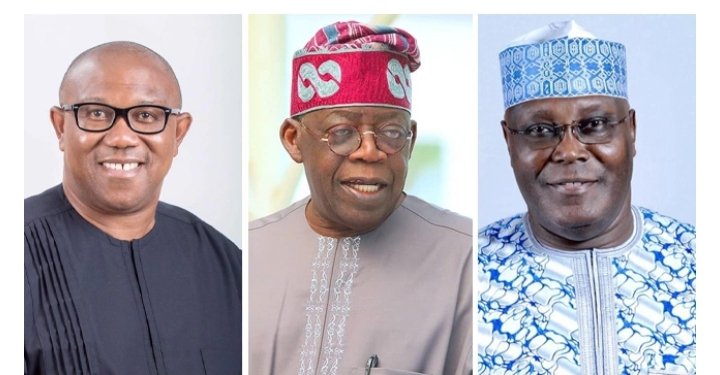
In 2019, the PDP was a solid party that spread across every corner of Nigeria. The APC was a merger of different mushroom parties. On paper, the PDP looked stronger. Yet Buhari defeated Atiku roughly 15.19 million to 11.26 million. National spread alone did not save the PDP.
The reason was simple: the PDP lacked strategic and long-term planning. They used a fire-brigade approach, waiting until the last minute and relying on size and name. That failed in 2015, and it failed again in 2019. It will fail again, no matter how loud social media becomes. Elections are not won by online noise.

Let’s be honest about how the PDP won before. They won in 1999 because the Federal military government wanted it so. They won afterwards because they held power and used federal might. They controlled security, resources, and machinery. That is not strategy. Once they lost the driver’s seat, they had no real strategic plan that will return them to power.
The APC rose from opposition through deliberate planning. They built a formidable party from scattered parties. The merger required negotiation, ego management, and pooled resources. Tinubu’s ACN brought organizational capacity and the Southwest structure; Buhari’s CPC brought northern weight. Together they became bigger than the sum of their parts.
They also deployed strategic political statecraft to outmanoeuvre the PDP out of power. Nigerian politics has always featured such methods on all sides. The APC played the game as it is been played. They used defections, legal warfare, narrative control, and resources. In 2015, they defeated a party that had ruled for sixteen years.
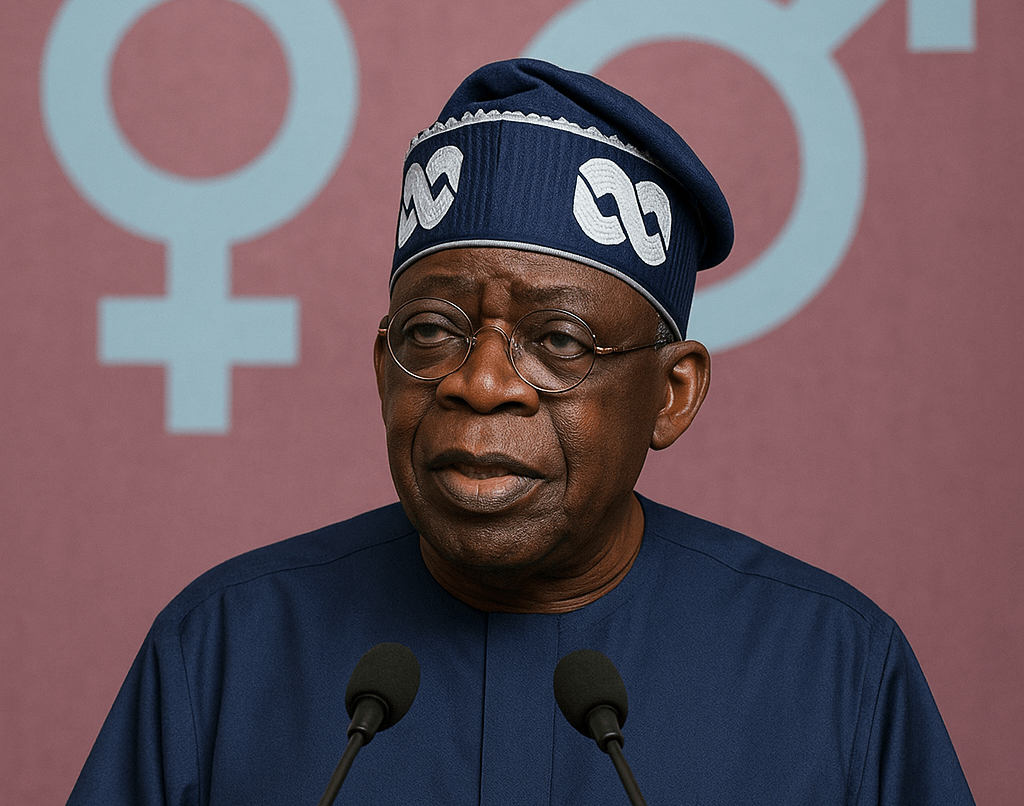
The main pillar was Asiwaju Bola Tinubu. He realized that defeating an incumbent required a party that cut across Nigeria. Pure regional parties rarely win under the 25 percent in two-thirds of states rule. He persuaded Buhari, who had publicly resigned from politics in frustration, to return. He tentatively shelved his own political ambition to make the coalition viable.
In 2019, the APC almost lost because of internal wrangling and a gang-up against its chief strategist. Tinubu was appeased back to champion the presidential election. Atiku was a formidable politician in his own right, but Tinubu’s return made the difference. He forgave the antics against him because he understood the cost of losing. If the party lost, his moral, intellectual, and financial investment in the party would go down the drain.
This is Tinubu’s approach to politics as a long game. He thinks in decades, not months. He relies on structure, resources, and timing, not popularity or moral claims. He builds relationships that become foot soldiers later. He plants seeds and harvests them in future seasons.
After eight years of Buhari’s reign, Tinubu started to pursue his own ambition based on the gentleman’s agreement from the merger stage. He started from scratch. There was no party support to rely on. Federal might and a powerful cabal were against him. The naira was mopped up to weaken his finances. Afenifere, a socio-political organization from his region turned against him. Trusted political allies became enemies.
Yet through careful planning, he rose from grass to grace. He scaled hurdles that would have buried most politicians. Now he has everything at his disposal. He can outspend any candidate. He has structure in every nook and cranny. He has loyal foot soldiers across the geography who are pursuing a common cause.
The APC is formidable and not fractured like the opposition. Tinubu has strategic planning more than any politician alive. Atiku is a formidable politician, but no match in strategic depth. This is not sentiment. This is history.
The opposition failed to learn that a divided opposition cannot beat a formidable incumbent. They think sentiment and social media shout can win elections. If wishes were horses, beggars would ride. They trend hashtags, political calumny, regional primordial sentiments, and AI created propaganda. Meanwhile, they keep losing.
Instead of recalibrating, they continue a tested and failed strategy. They will have themselves to blame again. A divided house cannot stand against a united house. They will cry rigging when it dawns on them that they failed to plan, unite, and invest in structure.
They will blame INEC, the police, the judiciary, the media, and the international community. They will not blame their own fragmentation. Every faction that refuses to merge hands victory to the incumbent automatically. The APC understood this in 2023. The opposition still does not.
So the choice is clear. Learn from history or repeat it. Tinubu is a strategist, a planner, and a patient operator who plays the long game. Until the opposition does the same, the result will not change. They will keep shouting, keep wishing, and keep losing. And they will have themselves to blame.
*Idowu Ephraim Faleye is a freelance political writer based in Nigeria. +2348132100608*