By _Kunle Sodipo FICSSM, MNINM, ANIPR_Abeokuta, Ogun State19 August, 2026kdrexafricanchild@gmail.com
The dust has settled in Osun.
On Saturday, 15th August 2026, Osun people went to the polls for what will be remembered as the last off-cycle governorship election before 2027. The incumbent, Senator Nurudeen Jackson Ademola Adeleke, secured a second term under the Accord Party — defeating the federal ruling party, APC, on its own turf.
Osun 2026 was not just another election. It was a dress rehearsal for 2027. And if we are honest with ourselves, it raised 3 critical questions that will define the next general election.
1. DO NIGERIANS NOW VOTE PERSONALITIES, NOT PARTIES?

The Osun result suggests a shift.
For years, party structure, federal might, and “party supremacy” dictated outcomes. But in Osun, a sitting Governor under a relatively new opposition platform, Accord, defeated the machinery of the party in power at the center.
What does this tell us?
Nigerian electorates are getting less patient with party logos and more interested in track record, accessibility, and delivery. Governor Adeleke’s first term was defined by visibility, direct welfare programs, and a “people-first” brand. Voters rewarded the man, not just the party.
If this trend holds, 2027 will be a referendum on performance, not just party affiliation. Governors, Senators, and even the President will be judged by what they did between 2023-2027, not by the weight of their party banner.
For politicians: _Structure will help you, but personality and performance will save you._
2. CAN OUR SECURITY ARCHITECTURE COPE WITH 2027?
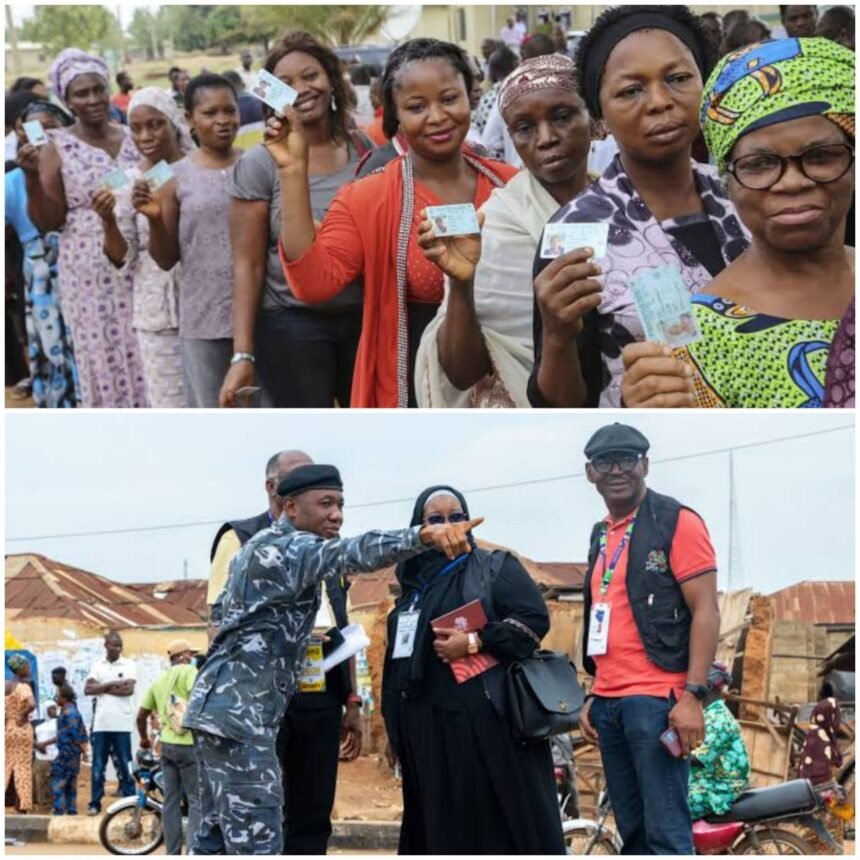
Off-cycle elections like Osun, Edo, and Bayelsa enjoy an advantage: over-concentration of security forces. For one state, we deploy Army, Police, NSCDC, DSS, and more. It creates a temporary bubble of order.
2027 will be different.
With 36 states + FCT + 469 federal constituencies voting simultaneously, there will be no room to flood one state with 30,000 personnel. The challenge will be spread thin.
The question then: _Are our security agencies truly institutionalized, or are they only effective when over-deployed?_
Osun was relatively peaceful, but it also had maximum security presence. For 2027 to be credible, we must invest now in intelligence-led policing, early warning systems, and professionalism — not just troop surges. Otherwise, hotspots will be left vulnerable and voter intimidation may spike.
3. CAN WE TRUST INEC’S INDEPENDENCE GOING INTO 2027?
This is the biggest test.
Despite federal power, despite historical patterns of interference, INEC in Osun delivered a result that reflected the people’s choice. BVAS worked. Results were uploaded. The incumbent of a “smaller” party won.
That matters. It builds a precedent.
If INEC can resist pressure in Osun where the stakes were high, it sets a template for 2027. But one good election does not equal institutional independence.
For 2027 to be believed, INEC must:
1. Maintain BVAS and IReV integrity across all polling units, not just select states.
2. Resist last-minute rule changes and ensure early deployment of materials.
3. Prosecute electoral offenders — not just announce results.
Neutrality cannot be seasonal. It must be systemic.
THE BIGGER PICTURE FOR 2027
Osun 2026 has given us 3 early signals:
1. Voters are maturing. They are willing to cross party lines for competence.
2. Security must evolve. We cannot police 2027 the way we police off-cycle polls.
3. INEC’s credibility is on trial. One transparent election is a start, not the finish line.
2027 will not be won in Abuja boardrooms alone. It will be won in polling units, in the minds of voters who now ask: _“What have you done for me?”_ instead of _“Which party are you?”_
If political parties, security agencies, and INEC learn the right lessons from Osun, then 2027 can be Nigeria’s most competitive — and most credible — election yet.
If not, then Osun will remain an exception, not the rule.
The countdown to 2027 has begun. And Nigeria is watching.
Feedback: kdrexafricanchild@gmail.com