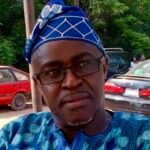
By Okoi Obono-Obla
The Outbreak of the Nigerian Civil War and the Forgotten Atrocities in Cross River:
The Nigerian Civil War remains one of the most painful scars in our nation’s history. On 8 June 2026, I shared my reflections to mark the 58th anniversary of the Biakpan massacre in Biase Local Government Area of Cross River State. My intention was not to reopen wounds but to remind us of the lessons we must never forget.
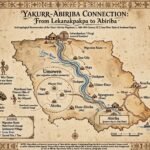
The war itself broke out in Garkem on 6 July 1967 when Biafran troops opened fire on a convoy of Nigerian soldiers heading to Enugu to carry out “police action” against Colonel Chukwuemeka Odumegwu Ojukwu after he declared the secession of the Eastern Region. The collapse of dialogue following the rescission of the Aburi Peace Accord of 4 January 1967 precipitated the conflict. These are lessons our leaders and present generations must draw from — to remain guided and avoid decisions that could reignite divisions.

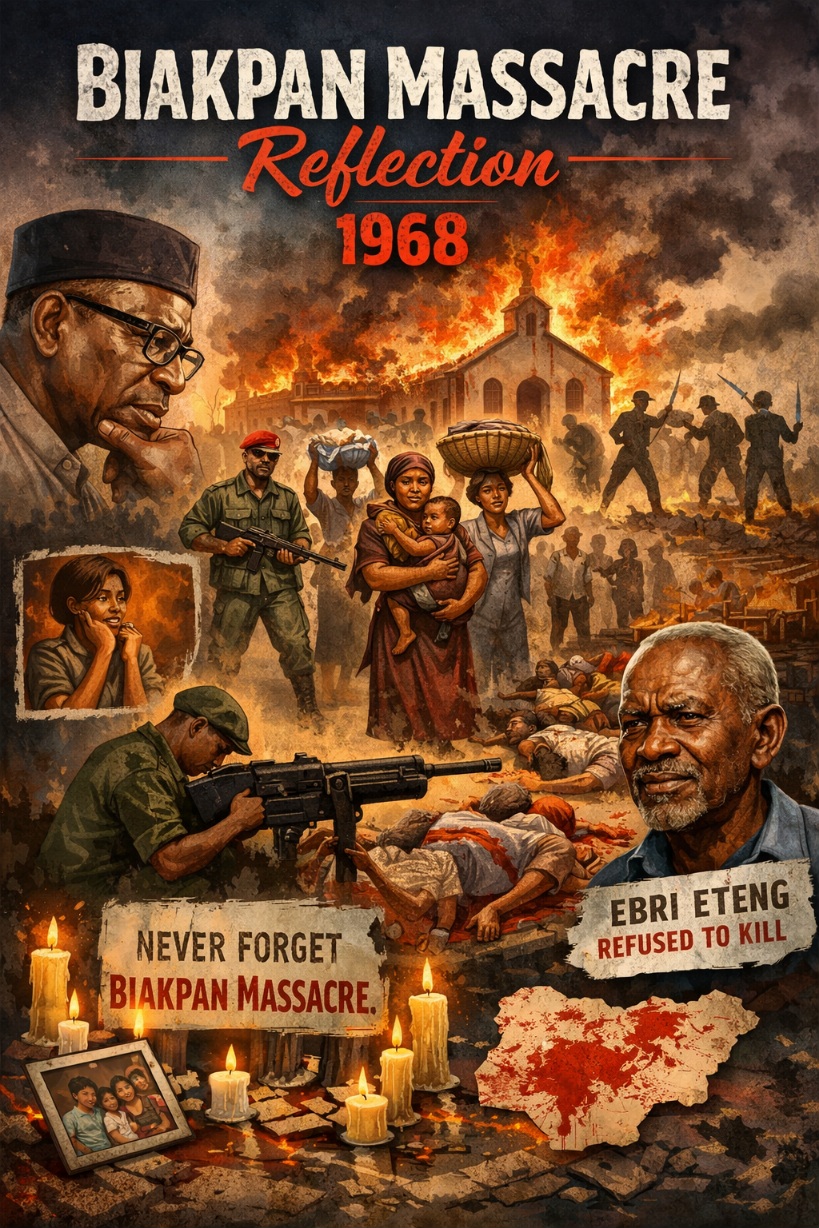
In 1968, Biafran troops unleashed genocide on the Biakpan community. Eyewitnesses recount how villagers were ordered to wrap their clothes, carry them on their heads, and march to the mission, where over ten thousand people were massacred. My own people still carry the memory of that horror. The testimony of Obu Enang recalls how his mother, then 15, witnessed the killings, and how Ebri Eteng, whose family had already been slaughtered, refused to operate the machine gun intended to wipe out the community.
Sadly, when I commemorated this tragedy, some people responded with hostility, launching personal attacks instead of showing sympathy for the victims. This underscores how ethnic and tribal prejudice continues to cloud judgment, preventing acknowledgment of atrocities and the offering of apologies. I strongly believe the Biakpan people should begin a crusade for reparation and apology. Healing requires truth, acknowledgment, and reconciliation.
Voices from Readers:
– Stanley Dien: He condemned the insensitivity of some respondents, describing their comments as ignorant and bigoted.
– Ogar Emmanuel Ogar: He reminded us that all Nigerians were casualties of the war, sharing his family’s near-death experiences in Enugu and the loss of his father’s elder brother.
– Anthony Eton: He highlighted how prejudice blinds people to the truth, citing the pogrom in Ikot Ekpenyong, Akwa Ibom, where retreating Biafran soldiers burned down the village and killed almost everyone.
– Michael Eleonu: He noted that many in the old Eastern Region never acknowledged their mistakes, recounting how his Ekpeye people in Rivers State suffered forced recruitment and exploitation.
– Ene Asuquo: He shared stories of Efik suffering, including betrayal and slaughter, which reinforced the community’s rejection of Biafra and preference for remaining in the South-South.
– Obu Enang: He directly refuted denial of the Biakpan genocide, recounting his mother’s eyewitness testimony of the massacre and Ebri Eteng’s refusal to carry out the killings.
Conclusion:The Nigerian Civil War was a national tragedy that scarred communities across the country. The Biakpan massacre, like many other forgotten atrocities, deserves acknowledgment, apology, and reparation. True reconciliation can only come when we confront the past honestly, admit wrongs, and commit to healing. Our leaders and citizens must reflect deeply before making decisions that could reignite divisions.