By Comrade Kunle Sodipo FICSSM, MNIMN, ANIPR
_May 27, 2026_
Today, May 27, 2026, Nigeria wears two faces.
On one side, we mark Children’s Day — balloons, speeches, photos of smiling pupils in crisp uniforms, and the usual rhetoric about “leaders of tomorrow.” On the other side, the Muslim world marks Eid Mubarak, a festival of sacrifice, mercy, and renewal. Both days are meant to remind us of innocence, responsibility, and hope.

But here’s the uncomfortable truth: for thousands of Nigerian children, there is nothing to celebrate.
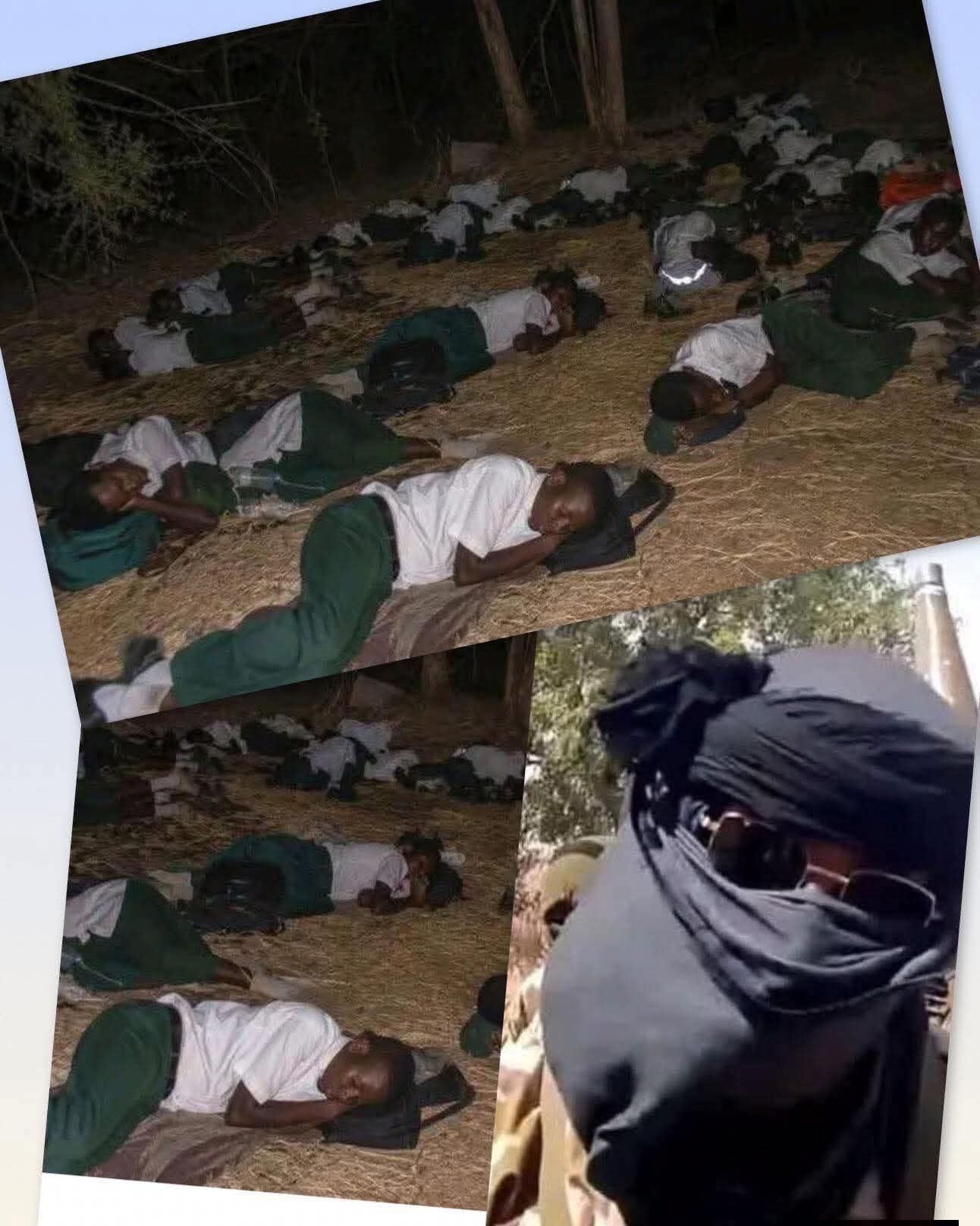
How do we raise glasses and cut cakes for Children’s Day when a 2-year-old abducted in Oyo State remains in captivity alongside other children and teachers? When that child’s birthday, if it even passes, will be spent in a forest camp instead of a classroom or a living room? When “missing” has become a normal status update for Nigerian childhood?
This is not hyperbole. It is the daily reality sponsored by bandits, terrorists, and criminal networks that operate with impunity. Abductions, killings, and rapes of children are no longer isolated tragedies. They are a pattern, a strategy, and a national shame. Every time a child is taken, Nigeria loses more than a life. We lose trust in the state’s basic duty to protect. We lose the moral authority to call ourselves a nation.
And it’s not only the bullet and the ransom demand that kill our children.
Malnutrition is killing them quietly in IDP camps and rural villages.
Preventable diseases are killing them in clinics without drugs and staff.
Insecurity is killing them by keeping them out of school, out of playgrounds, and out of childhood itself.
So what exactly are we celebrating today?
Are we celebrating the children in captivity?
Are we celebrating the child who died last night from hunger in Zamfara?
Are we celebrating the girl who was raped and returned to a community that has no counseling, no justice, and no future planned for her?
If we answer honestly, the answer is no.
What we are celebrating is a lie — a national performance of care that masks systemic neglect. Children’s Day has become a ritual of speeches while children remain pawns in Nigeria’s security and governance failure. Eid reminds us of sacrifice, yet we sacrifice our children daily on the altar of corruption, incompetence, and indifference.
This is a challenge to all of us:
1. *To the government*: Stop treating children’s safety as a press release issue. Rescue the children in Oyo and everywhere else. Prosecute the sponsors and enablers. Fund health and nutrition with the same urgency you fund elections and convoys.
2. *To the society*: Stop normalizing “it’s not my child.” A nation that eats its young has no future. Demand accountability from your leaders, and protect the vulnerable in your communities.
3. *To ourselves*: If we claim to love Nigeria, we must prove it by loving Nigerian children enough to be uncomfortable. Comfort and complicity cannot coexist with justice.
A nation that cannot protect its children does not deserve to call itself the giant of Africa. A celebration that ignores the cries of the captive, the hungry, and the violated is not a celebration. It is an insult.
Today, let this Children’s Day and Eid Mubarak be different. Let it be a day of reckoning, not just rejoicing. Let it provoke outrage, action, and a refusal to accept that this is “how things are.”
Because until every Nigerian child can sleep without fear, eat without begging, and learn without being taken, we have no right to say “Happy Children’s Day.”
The children are watching. And history is taking notes.