

By Okoi Obono-Obla
One of the consequences of the matrilineal culture of the Yakurr people of Cross River State, Nigeria, is the emphasis on preserving female descent and creating a clan system based on female lineages collectively grouped under a female kinship system. The matrilineal family set-up in Yakurr, known as Lejimo, is deeply tied to reproductive health.
Each Lejimo is headed by a priest called Inah, who oversees the fertility shrine known as Yose. In Ugep, there are twelve matrilineal families, referred to as Ijemo. In other Yakurr communities, fertility shrines also exist, each headed by priests responsible for their spiritual upkeep. For example, the Obol Lopon of Ugep is the head of the royal maternal family, which comprises three sub-lineages. My own matrilineality is known as Yoyor, a lineage that carries its own history, responsibilities, and spiritual significance.
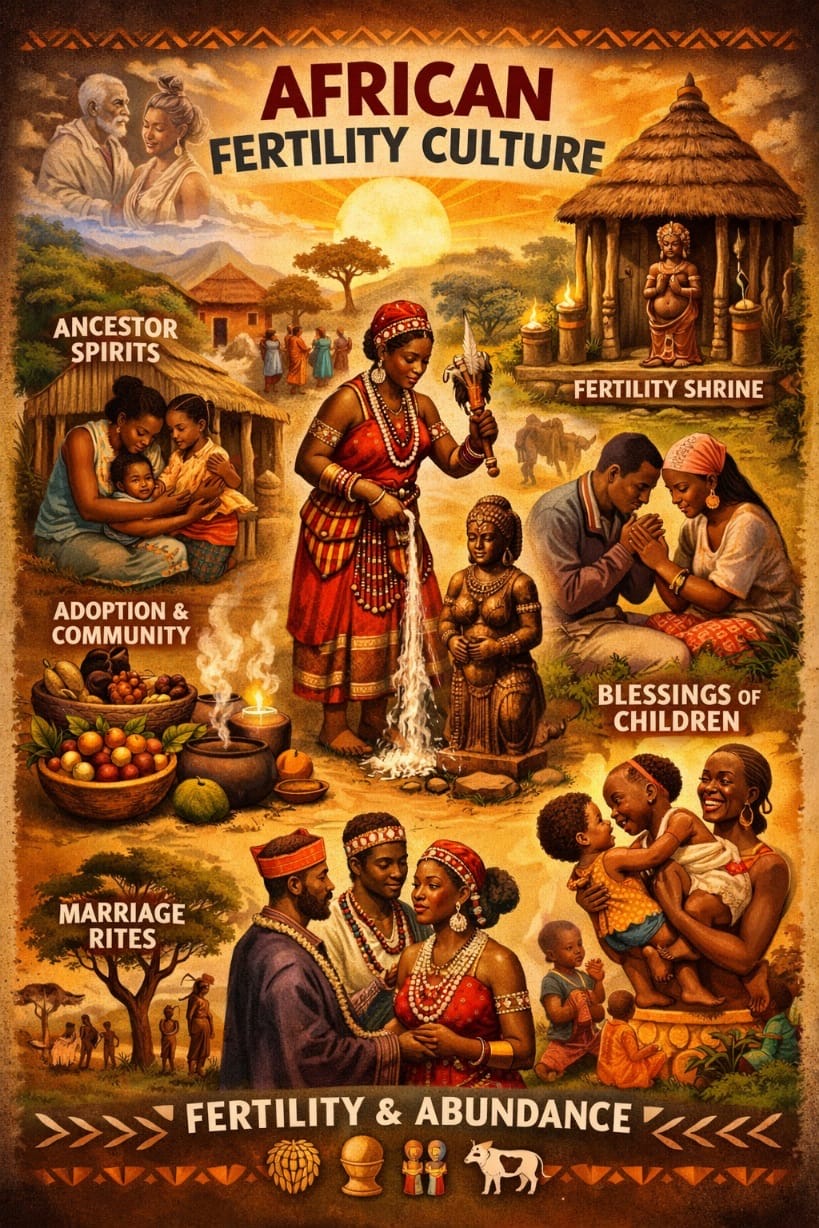
In African cultures, fertility is the cornerstone of societal identity and legacy. Across many communities, children are viewed as a sacred continuation of lineage, a blessing from the spiritual realm, and an old-age social safety net. Culturally, high fertility rates remain deeply tied to social status, community respect, and ancestral continuity. Therefore, the fertility shrine in Yakurr is centred on the belief that women must produce children in abundance, as it is considered the wish of the gods to sustain female kinship lines from generation to generation. The inability of a woman to have children is seen as a bad omen, even a curse, which must be appeased through rituals to reverse the gods’ displeasure.

Among the Yakurr people, barrenness carries a heavy burden and stigma. Infertility is perceived as a severe misfortune, and women disproportionately bear the blame for childless marriages. This often leads to social exclusion, marital instability, or divorce. To counter this, adoption is highly encouraged. However, adopted children must come from non-Yakurr parents. It is considered a mark of honour and prestige for a barren woman with resources to adopt as many children as possible, thereby enriching and increasing the population of her matrilineal lineage. Such adopted children are deemed her own and become fully integrated into her matrilineality.
Additionally, women who do not have daughters to sustain their lineage often encourage their sons to marry non-Yakurr women, ensuring that the offspring of such unions become part of their maternal lineage. This practice reinforces the continuity of matrilineal descent and safeguards the spiritual and social identity of the Yakurr people.
Broader African Context:
The Yakurr system resonates with wider African matrilineal traditions found among groups such as the Akan of Ghana, the Chewa of Malawi, and the Minangkabau in Indonesia (outside Africa but with similar structures). In these societies, descent through the mother ensures continuity of property, spiritual authority, and social identity. Fertility shrines, rituals, and ancestral veneration often reinforce the belief that women are custodians of lineage survival. Adoption and intermarriage, as practiced by the Yakurr, highlight adaptive strategies to preserve matrilineal lines in the face of infertility or demographic challenges.
Conclusion:
The Yakurr matrilineal system demonstrates how fertility, lineage, and spiritual belief intertwine to shape social identity and continuity. By integrating adoption and intermarriage into their cultural framework, the Yakurr people ensure that matrilineal lines remain strong, resilient, and spiritually significant across generations. This practice not only sustains the cultural fabric of Yakurr society but also situates it within the broader African tradition where fertility and lineage are inseparable from identity and legacy.
Tags
Fertility