By Okoi Obono-Obla
Nkosi Sikelel’ iAfrika, Nigeria, and the Betrayal of Pan-African Solidarity:
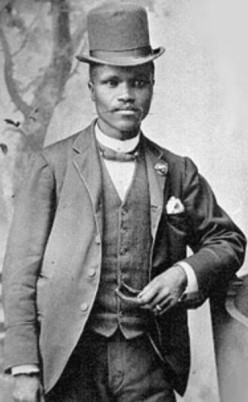
Nkosi Sikelel’ iAfrika (“God Bless Africa”) was composed in 1897 by Enoch Mankayi Sontonga, a Xhosa-speaking Methodist teacher and choirmaster near Johannesburg. Originally a hymn, it quickly became a liberation anthem across Africa. By the mid-20th century, it was adopted as the anthem of the African National Congress (ANC) and later served as the national anthem of several newly independent African states, including Zambia (1964–1973), Tanzania, Namibia (1990–1991), and Zimbabwe (1980–1994). In South Africa, following the end of apartheid, it was combined with Die Stem van Suid-Afrika in 1997 to form the current national anthem, symbolizing reconciliation.
South Africa’s liberation struggle was long and brutal. The apartheid system, formally introduced in 1948 by the National Party under Prime Minister D.F. Malan, entrenched racial segregation, dispossession, and repression. Black South Africans were forced into “homelands” and denied basic rights, while the best land and resources were reserved for whites. Resistance was met with violence, most notably the Sharpeville Massacre (1960) and the Soweto Uprising (1976), when students protested against the imposition of Afrikaans as the medium of instruction. Leaders like Nelson Mandela, tried in 1964 during the Rivonia Trial, were sentenced to life imprisonment for sabotage and resistance activities.

The armed wing of the ANC, uMkhonto we Sizwe (“Spear of the Nation”), was founded in 1961 by Mandela and others to wage guerrilla struggle against apartheid. Across Africa, solidarity movements flourished. Nigeria, in particular, played a decisive role: the Federal Military Government from 1976 declared full diplomatic, financial, and moral support for liberation movements in South Africa, Angola, Mozambique, and Zimbabwe. Nigeria offered scholarships to thousands of South African students, hosting them in institutions such as the Federal Schools of Arts and Sciences in Ogoja, Ondo, Sokoto, Aba, Yola, and Lagos. Many ANC leaders also found refuge in Nigeria. Mandela himself, after his release in 1990, visited Nigeria to express gratitude, with streets in Calabar named in his honor.
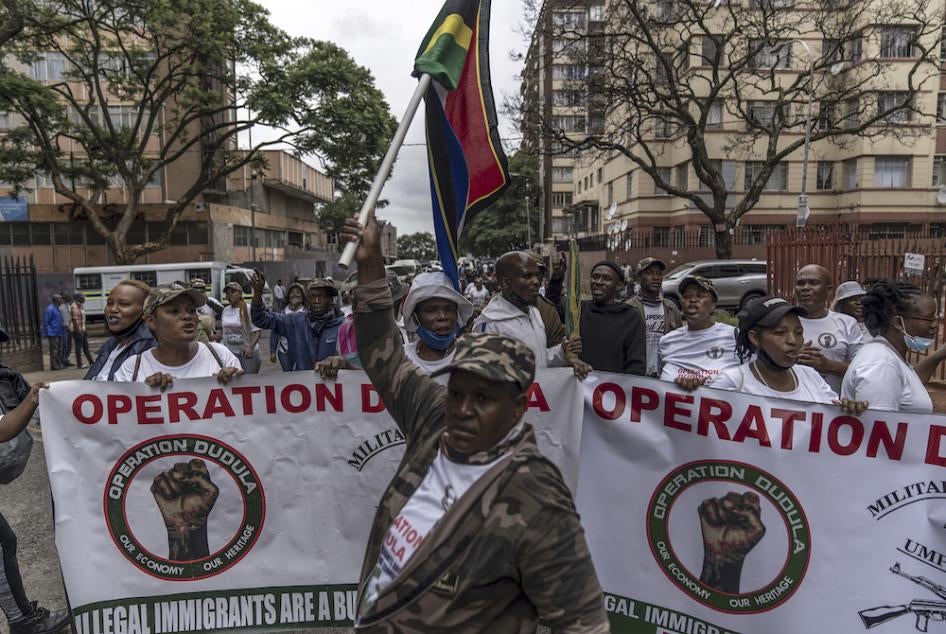
Yet, despite this history of solidarity, contemporary South Africa has periodically witnessed waves of xenophobic violence against fellow Africans, particularly Nigerians, Ghanaians, and Zimbabweans. These attacks starkly contradict the spirit of Nkosi Sikelel’ iAfrika and the pan-African ideals that sustained South Africa’s liberation. The irony is profound: a nation once supported by African brothers and sisters now turns hostile toward them, forgetting the sacrifices made in their name.
Conclusion:
South Africa’s liberation was a collective African victory. Nigeria and other African nations invested materially, morally, and spiritually in its freedom. The persistence of xenophobia in South Africa today represents not only a betrayal of pan-African solidarity but also a tragic distortion of the ideals embodied in Nkosi Sikelel’ iAfrika. For South Africa to truly honor its past, it must confront and overcome this scourge, rekindling the spirit of unity that once sustained its struggle.