
By Okoi Obono-Obla
Nigeria’s Enduring Challenges and Policy Missteps:
It is not fair to heap all of Nigeria’s problems squarely on the head of one person simply because he is the Head of Government. Many of these challenges predate the current leadership, having existed long before some of us were born, persisted as we grew, and continue into our adulthood. Nigeria has long grappled with energy shortages, food insecurity, hunger, conflicts, politically motivated violence, military coups, frequent changes of government, and nearly all the issues we still confront today.
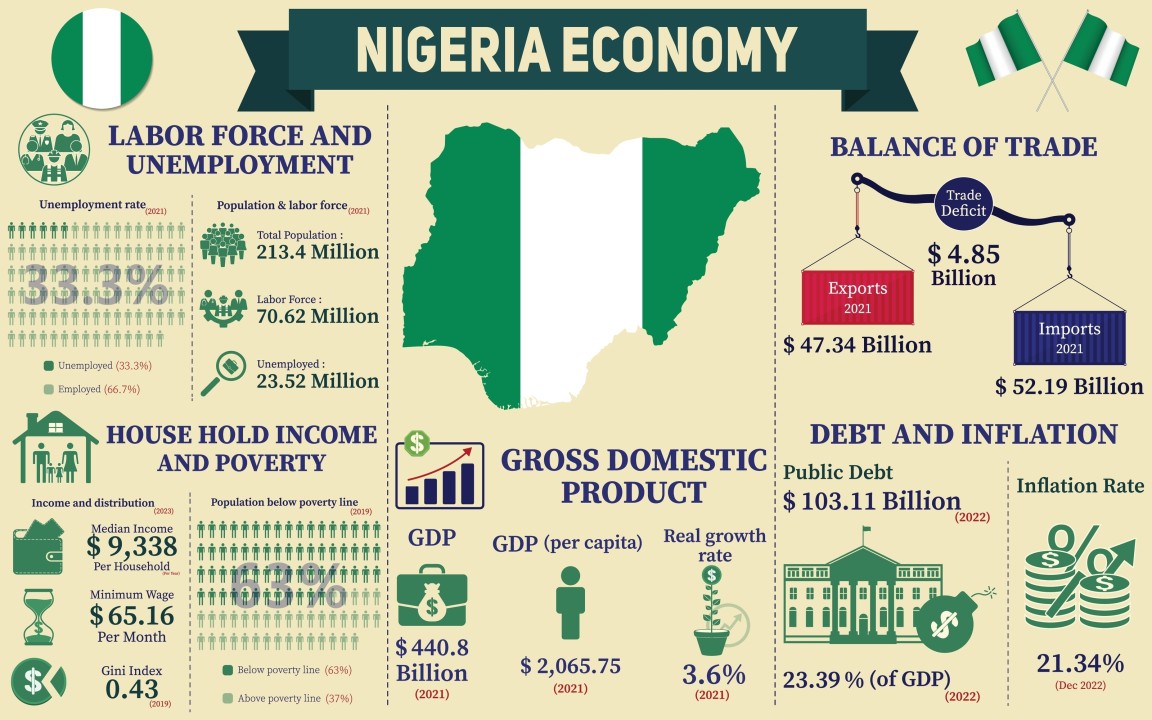
Our leaders and policymakers have made numerous mistakes in both the conceptualization and execution of policies. For instance, the import substitution strategy was embraced wholeheartedly, compelling government involvement in nearly all facets of production. This approach backfired by the 1980s, and under pressure from the International Monetary Fund and the World Bank, Nigeria adopted the Structural Adjustment Programme. This programme proved catastrophic, devaluing the national currency and culminating in a privatization drive during the Obasanjo presidency, which saw the sale of nearly 10,000 public enterprises and industries ranging from steel, motor manufacturing, food processing, breweries, banking, insurance, aviation, shipping, fertilizer production, and more. The result was mass unemployment and a heavy dependence on imports, placing immense stress on foreign reserves. Corruption, meanwhile, has remained a constant feature of governance.

The military coup of 1966 was justified by claims that politicians were collecting ten percent kickbacks. Yet, the military rulers who took over were accused of collecting eighty percent kickbacks. When power eventually returned to civilian politicians, corruption became even more daring and rapacious than in the First Republic. With the discovery of oil wealth, agriculture was abandoned, and many Nigerians became portfolio contractors. The rentier economy grew exponentially, and the nation embraced it until parts of it were dismantled in 2023.
It is therefore misleading for politicians to claim that by scrapping existing policies and introducing new ones, problems such as hunger, insecurity, kidnapping, and hardship will vanish overnight. Every policy requires time to mature, and structural challenges like banditry, communal violence, religious and ethnic intolerance, and bigotry cannot disappear instantly. We must not be deceived. Instead, we should reflect, ruminate, and ponder the reality that many of those promising El Dorado in 2027 have been in government for decades—fifty, forty, thirty, twenty, or ten years—and had golden opportunities to effect change but failed to do so or acted half-heartedly.
Conclusion:
Nigeria’s problems are deeply rooted in historical missteps, corruption, and structural weaknesses. No single leader can resolve them overnight. Sustainable solutions require patience, sincerity, and collective responsibility rather than false promises of instant transformation.