By Okoi Obono-Obla
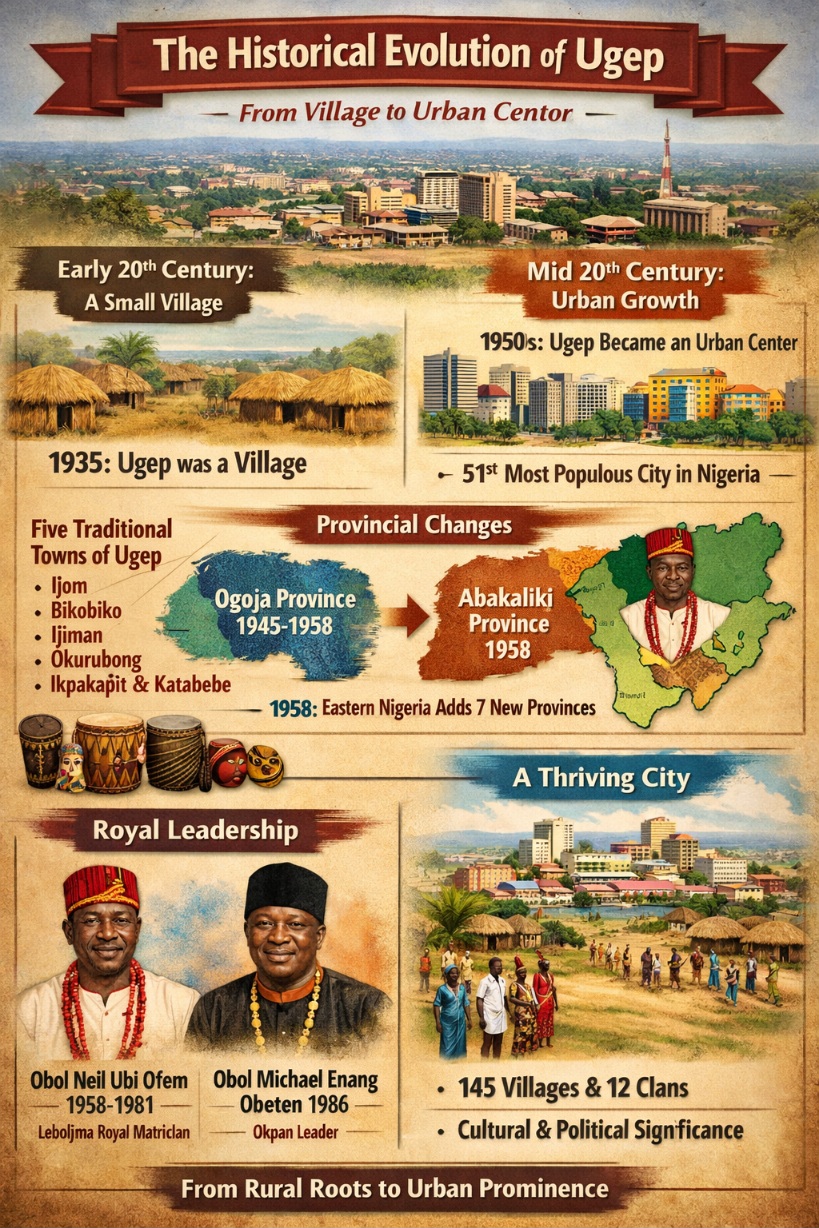
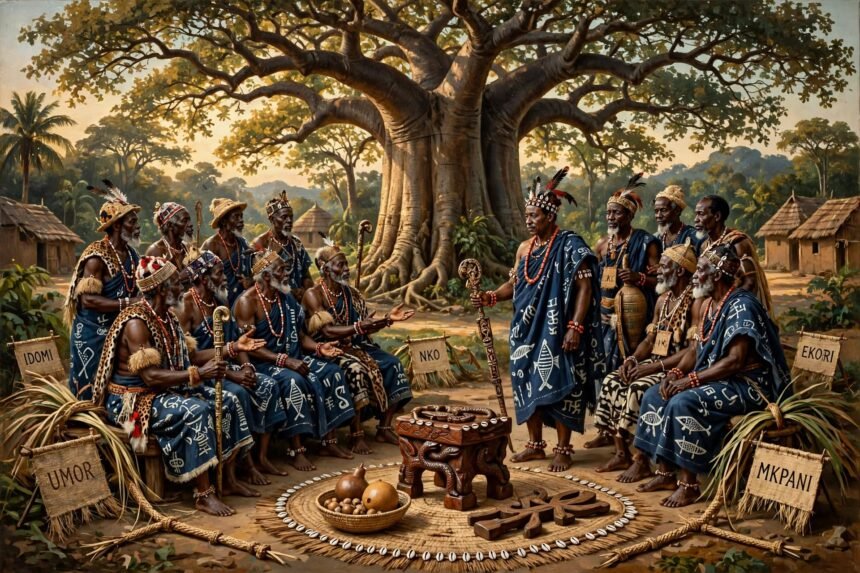
After their migration from Akpa or Lẹkanakpakpa, the Yakurr of Cross River State of Nigeria founded five communities: Umor (Ugep), Ekori, Nko, Idomi and Mkpani. Each was separate, independent and autonomous from the others and was headed by Yabols or monarchs whom they chose for themselves. This migration occurred over several generations, with Mkpani, Idomi and Ugep founded around 1660 and Ekori and Nko between 1677 and 1707.
This formation is in conformity with Aristotle’s theory of the polis. Aristotle argued that human beings are by nature political animals because they naturally form organized communities governed by language, reason, laws and shared conceptions of justice, not merely groups for survival.
The Yakurr experience demonstrates both dimensions of political life. On one hand, these communities sometimes enjoy good and peaceful relationships. On the other, as human beings, they also have periods of tense and frosty relationships. Human beings sometimes bicker, squabble, quarrel, disagree and even go to war among themselves for a variety of reasons, including the struggle to outwit each other over what they want, using force, deceit, or whatever advantage they possess.

But human beings also cooperate when they are in trouble or when there is an imperative to work together smoothly to achieve a common goal. When necessity demands, they come together to work out solutions and help each other in times of need.
It is worthy to note that among the Yakurr, succession to the throne of Obol Lopon is via the matriclan lineage or matrilineal line. When a serious issue prevents the selection of an Obol Lopon in any community or town, the kingmakers can go to the Lebojima or royal family of a sister town or community to borrow someone who will be installed as Obol Lopon.
In 1810, when Ugep faced such an intractable problem, the kingmakers went to Ekori to get Obol Uket, who is from the Lebojima or royal matriclan of Ekori, and he was installed as Obol Lopon of Ugep from 1810 to 1835.
This is confirmed by Dr. Otu Abam Ubi, the foremost historian of the Yakurr, in his book The Yakurr of the Middle Cross River Region 1600-1950 (International Edition, 2019), p.279, where the Ugep King-list records:
KING-LIST (UGEP) – No.7: c. 1810 – 1835 – UKET
This practice of borrowing a monarch is philosophically profound. Its foundation rests on a crucial fact: all the matriclans in Ugep, Ekori, Nko, Mkpani and Idomi straddle one another.
This means the matriclan system is not confined to one town. The Lebojima in Ugep is the same Lebojima in Ekori; the same matriclans exist in all five communities. Therefore, Obol Uket of Ekori was not a foreigner in Ugep. He was a kinsman whose royal blood was equally present in Ugep, even though his immediate residence was in Ekori.
Philosophically, this reveals three principles:
1. Kinship as Constitution: For the Yakurr, legitimacy comes from matrilineal blood, not just territory.
2. The Larger Community (Koinonia): While each of the five towns is an autonomous polis, together they form one larger Yakurr ethnos bound by inter-straddling matriclans. When one polis fails to produce a ruler, the larger community provides a legitimate substitute from within its own kinship constitution.
3. Unity in Autonomy: Politically, the Yakurr founded five autonomous communities; genealogically, through matriclans that straddle one another, they remained one community. That is why an Ekori man could legitimately become Obol Lopon of Ugep and rule for a quarter of a century.
This is the essence of the Yakurr political genius – autonomous in governance, yet united by matriclan kinship.