By Moses .C. Enekwechi
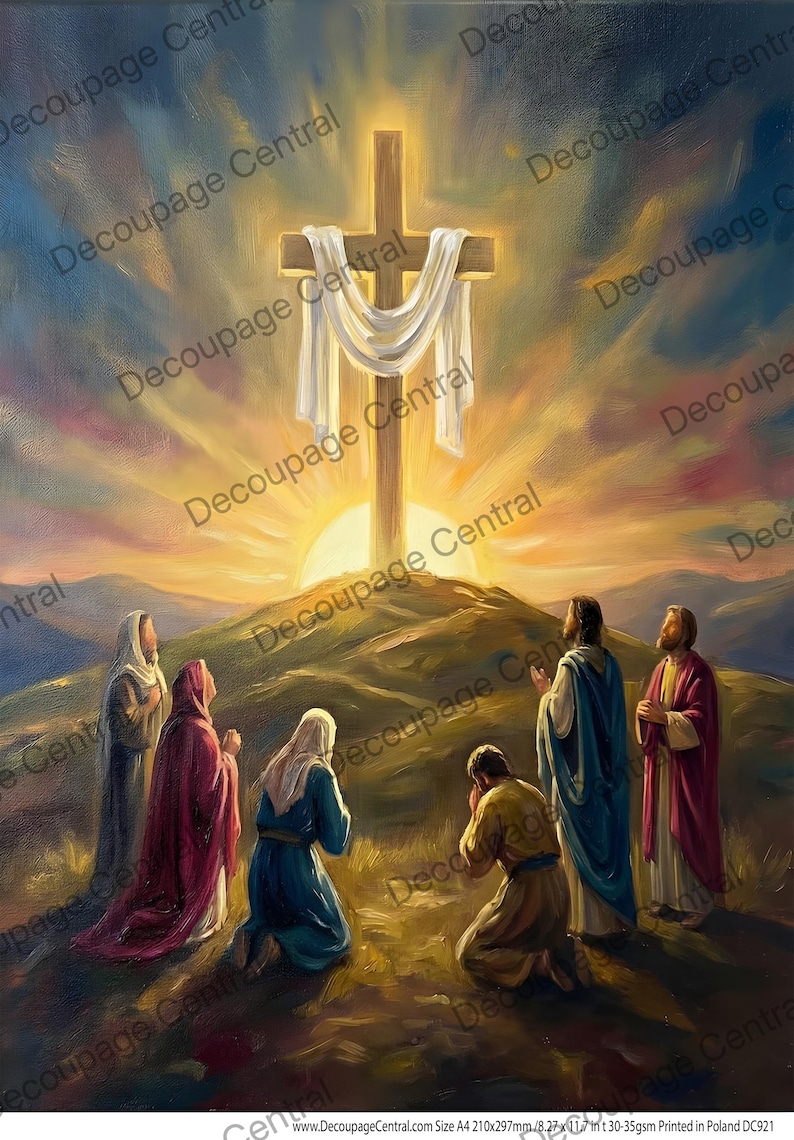
In Nigeria, religion isn’t just belief anymore for many, it’s survival. When institutions fail and government structures collapse under corruption and inefficiency, people often turn to faith for the answers they can’t find anywhere else. Churches and mosques become more than places of worship; they turn into alternatives for hope, support, and even livelihood.
So this has me wondering has our reliance on faith gone too far, to the point where we expect miracles in place of systems, and prayers in place of structures and policies? Think about it: someone loses their job, and instead of turning to a social safety net (which barely exists), they resort to all-night prayers. A family facing medical bills they can’t afford turns to fasting and faith healing.
And the sad part is, religious institutions influence this narrative and mindset whether it’s intentional or unintentional, I honestly can’t give a definite answer.

And can you really blame people for thinking this way? When it seems like religious institutions have become tools for corrupt governments manipulating people into accepting mediocrity and inefficiency as “God’s will,” or rallying support for bad leadership in exchange for favors.
The most annoying part is that the people don’t help matters either. You would think that people well into their adolescent and adult years would be able to tell right from wrong and think for themselves but no, they let themselves play straight into these manipulations.
Sometimes I believe it’s out of fear — fear of questioning a discipline of their supreme being. Like that Bible verse that says, “Touch not my anointed and do my prophet no harm” many people take it to mean they can’t question or challenge religious authority, even when it’s misused.
Other times, I think it’s because of the position religious institutions hold in society and the community. That status gives leeway for blind trust in their authority.
And sometimes, I just believe it comes from a place of hopelessness a need to rely on religion for comfort and hope when everything else seems broken.
Now, the danger with this kind of reliance is that faith starts replacing accountability. Instead of demanding working systems, people are told to “pray harder.” Instead of questioning failed policies, they wait for “divine intervention.”
And while hope is necessary, it can also be used as a distraction from the realities we’re meant to confront.
What’s worse is that when criticism is directed at religious institutions for enabling government inefficiency, it’s often based on misplaced priorities. Sometimes, people only voice out when their own reliance on faith is neglected by both the government and the religious institutions. In such cases, it becomes easier for them to criticize the churches or mosques than to hold the government the very institutions responsible for policies and structures accountable.
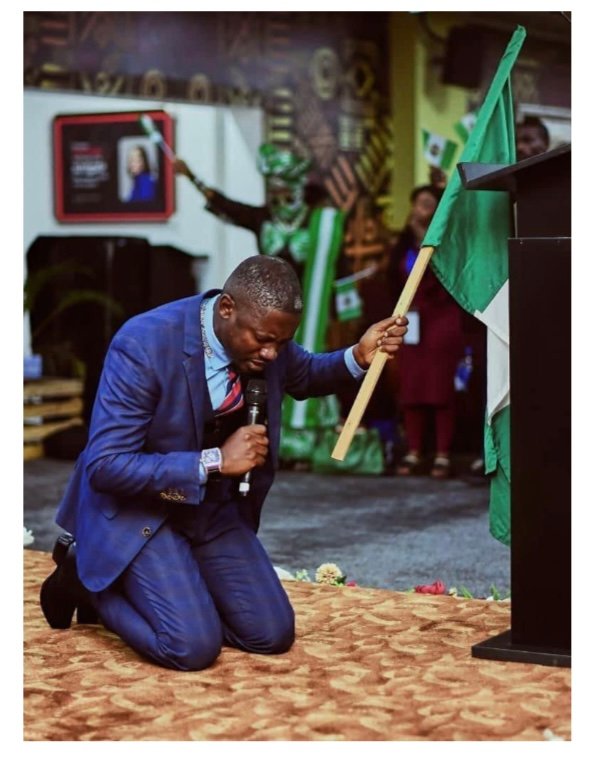
When election season comes around, politicians will be in all churches and mosques, seeking disguised prayers and blessings for their campaigns. But in fact, it’s clearly just a means to get divine endorsement which then shapes into the electorate’s mandate.
Some of these religious leaders don’t even try to be subtle about it anymore. You’ll see them outrightly endorsing certain politicians, telling their congregations that he is divinely chosen to lead them to the proverbial promised land.
And when this happens, especially after the election season, the line between faith and politics gets blurred. People fear asking the tough questions about the competence and policies of these elected politicians because, to them, once a leader is “divinely endorsed,” questioning him feels like questioning God.
And even when they do bother to question these religious leaders about government inefficiency, the response is often to shift the blame to “God’s will” or to tell the people to keep praying for the system or the government to miraculously do better.
The saddest part of all this is that the endless cycle doesn’t seem to be changing anytime soon. Instead, it has made the older generation who are already aware of this pattern apathetic to demanding any real accountability from either the government or the religious institutions.
Meanwhile, the younger generation, who are just beginning to see the pattern for themselves, are not only becoming apathetic toward holding government accountable but are also losing interest in having any relationship with these religious institutions at all. They see them as mostly enabling a failing system and society.
So which begs the question: will this endless cycle of blind faith and failed systems continue, or will we finally start demanding real accountability from both government and religion alike? Or better still, will the people learn to separate the two institutions and know better than to let religious sentiments influence their decisions when it comes to appointing our leaders?