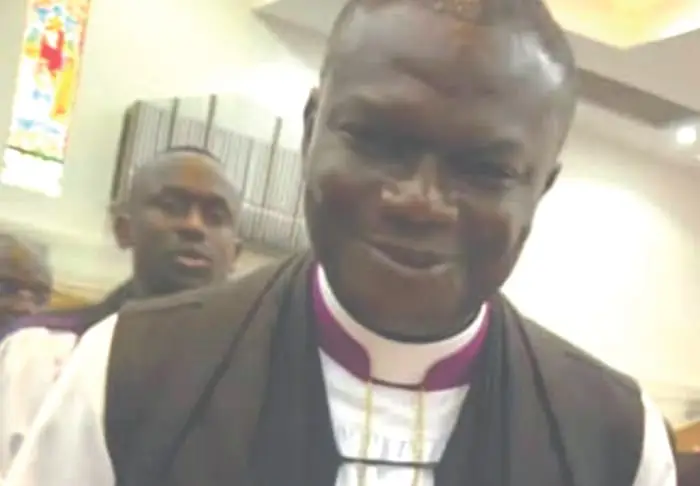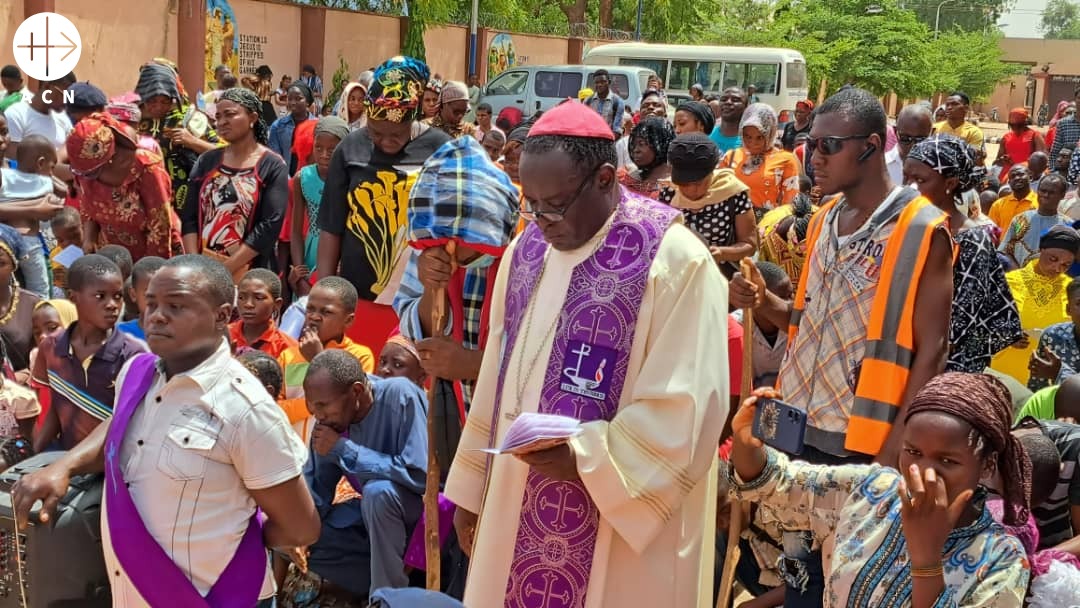
Pastor Amos Dada PhD, P. Eng
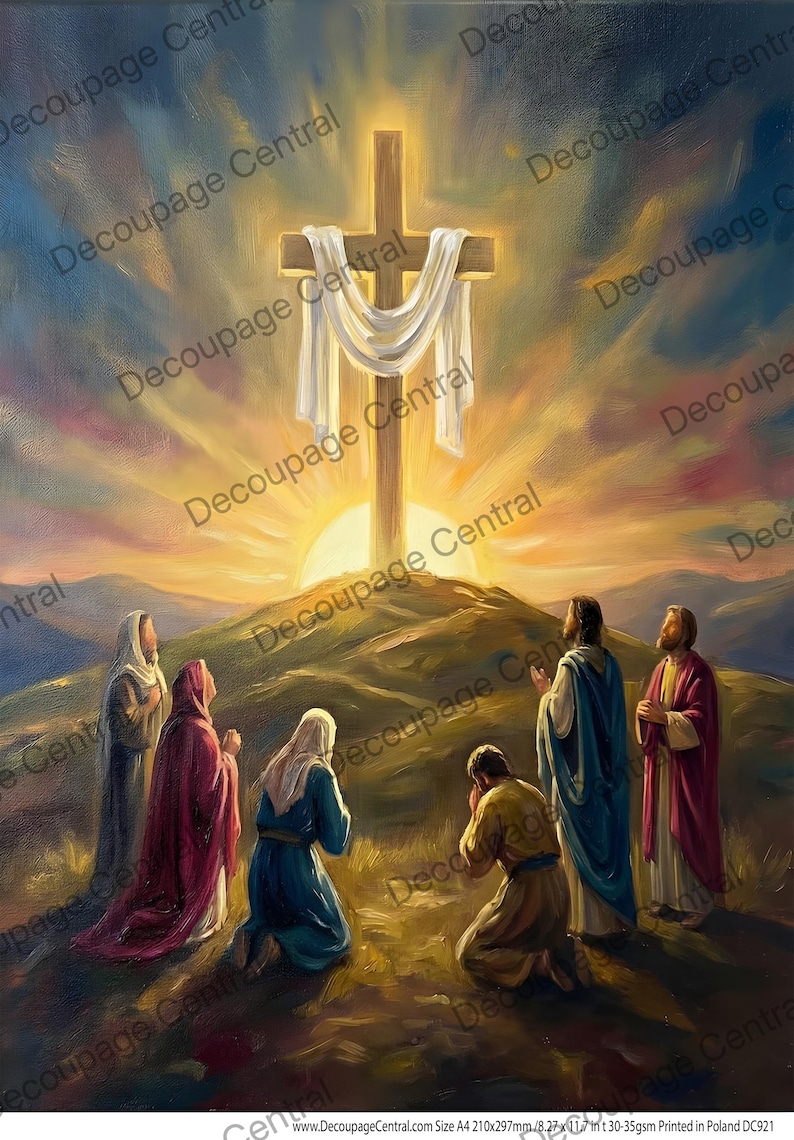
The triumphant entry, Holy Week, crucifixion, death , burial and eventual resurrection of our Lord Jesus Christ widely known as Easter celebration or season is not merely a demonstration of divine power over death and Satan, it is the ultimate manifestation of divine mercy. At the very heart of Jesus sacrificial death at Golgotha tagged redemption, lies the mercy of God, for it was mercy that initiated the plan, mercy that sustained the process, and mercy that culminated in the resurrection victory. Humanity, condemned under the weight of sin and destined for judgment, became the object of God’s compassion. Therefore, the cross was not an accident of history, but a deliberate expression of mercy to prevent mankind from perishing eternally. Whenever you see the physical cross remember it represents Resurrection and Mercy, the vertical is a symbol of resurrection (upwards, rising) the horizontal is mercy (spreading).
Scripture declares: “But God, who is rich in mercy, for his great love wherewith he loved us…” (Ephesians 2:4–5 KJV). Redemption was not earned; it was birthed out of divine mercy. Justice demanded judgment, but mercy made provision. The death of Christ satisfied the demands of justice, while His resurrection revealed the triumph of mercy over judgment. Mercy said, “They shall not perish,” and resurrection answered, “They shall live.”
At the cross, judgment and mercy converged. Sin was judged fully in the body of Christ, yet mercy was extended fully to humanity. As it is written: “Mercy rejoiceth against judgment” (James 2:13 KJV). Jesus bore the punishment we deserved so that we might receive the mercy we did not deserve. The crucifixion was the price; the resurrection was the proof that mercy prevailed.
The resurrection is heaven’s confirmation that the sacrifice of mercy was accepted. “Blessed be the God and Father of our Lord Jesus Christ, which according to his abundant mercy hath begotten us again unto a lively hope by the resurrection of Jesus Christ from the dead” (1 Peter 1:3 KJV). The empty tomb is the eternal witness that mercy has the final word.

I stand as a living witness to this intersection of resurrection and mercy. On February 10, 1977, at Obafemi Awolowo University, Ile-Ife, Nigeria, the Lord Jesus Christ appeared to me in an encounter that marked my destiny forever. In His mercy, He did not leave me in spiritual darkness. He placed the Bible in my hand and commissioned me to preach His Word around the world. That encounter was not based on my merit, but on His mercy—mercy that saves, calls, and sends.
From that moment, the trajectory of my life changed. By the grace and mercy of God, as of 2026, I have carried this gospel to 97 nations of the earth. This is the evidence that when mercy encounters a man, it does not only rescue him, it gives him a global assignment. Resurrection mercy does not merely bring salvation; it establishes destiny.
I was also a firsthand beneficiary of mercy in a moment of legal crisis. In 1981, while on campus, I was using my cousin’s car. On one occasion, while traveling from Ile-Ife to Abeokuta with friends, I was arrested and charged to court for a traffic offence. Naturally, the situation carried fear and uncertainty, as I did not know how the case would unfold.
However, I turned to the Word of God and stood on Romans 8:31–33: “If God be for us, who can be against us?… Who shall lay any thing to the charge of God’s elect? It is God that justifies.” I cried unto God for mercy. In that moment, mercy intervened where judgment was expected. The case that could have resulted in condemnation ended in my discharge and acquittal.
That experience became a practical revelation that mercy does not only save the soul, it also speaks in the courts of life. Where there was an accusation, mercy silenced it. Where there was a charge, mercy overturned it. That is the power of resurrection mercy, it rewrites verdicts.
Before Christ, humanity stood condemned. But through His death and resurrection, the verdict was overturned. As declared in Romans 8:33–34, no charge can stand against those whom God has justified. Mercy cancels accusation, silences condemnation, and grants justification. The empty tomb is the eternal evidence that the case against us has been dismissed.
The same mercy that raised Christ from the dead is at work in every believer. This mercy brings restoration, healing, deliverance, and new beginnings. It lifts men from the pit of sin into the place of righteousness. It transforms failures into testimonies and turns trials into triumphs. Resurrection mercy does not only save, it empowers, preserves, and establishes.
Mercy demands a response. We are called to receive it by faith, walk in it with humility, and extend it to others. “Let us therefore come boldly unto the throne of grace, that we may obtain mercy…” (Hebrews 4:16 KJV). To reject mercy is to embrace judgment, but to receive mercy is to enter into life everlasting.
Beloved, the resurrection is the loudest declaration that God does not desire the death of a sinner, but that all should come to repentance. Mercy brought Jesus to the cross; resurrection brought us into victory. Your life story, like mine, can become a testimony of mercy—mercy that saves, calls, delivers, and justifies.
PROPHETIC DECLARATION
I decree and declare: By the mercy that raised Jesus from the dead, every sentence of judgment over your life is overturned! As mercy spoke for me in salvation and in the day of accusation, so shall mercy speak for you. You shall not perish but live to fulfill your divine assignment. Every negative verdict is reversed, every accusation is silenced, and every destiny is released into fulfillment, in the name of Jesus!