By Okoi Obono-Obla
The Erased Black Presence in Argentina: History, Myth, and the Case of María Remedios del Valle Why Are There No Black Players in Argentina? Uncovering a Hidden History
When you watch the Argentina national football team in the 2026 World Cup or in previous tournaments, you may notice the absence of players of African descent — a stark contrast to other South American national teams such as those of Uruguay, Colombia, Ecuador, Brazil, and Peru.
This creates the mistaken impression that there are no people of African descent in Argentina. Historically, however, Argentina was one of the major transit points for enslaved Africans during the Transatlantic slave trade. That trade began in the 15th century and lasted until the late 19th century, resulting in the transportation of nearly 13 million Africans to the Americas. Today, the Afro-Argentine population accounts for less than 0.66 percent of the country’s total population — a decline that many historians attribute to deliberate and systematic state policies aimed at diminishing and erasing the Black presence in Argentina.
From the 17th to the 19th centuries, Argentina had one of the largest Black populations in the Americas, comprising up to fifty percent of the population in certain cities, with a profound influence on Argentine culture.
Older theories attributed the sharp decline of the Afro-Argentine population in the 19th century to several factors, including the Argentine War of Independence (1810–1818), high infant mortality rates, a low rate of endogamous marriage among Afro-Argentines, the War of the Triple Alliance, and cholera epidemics in 1861 and 1864, as well as a yellow fever epidemic in 1871.
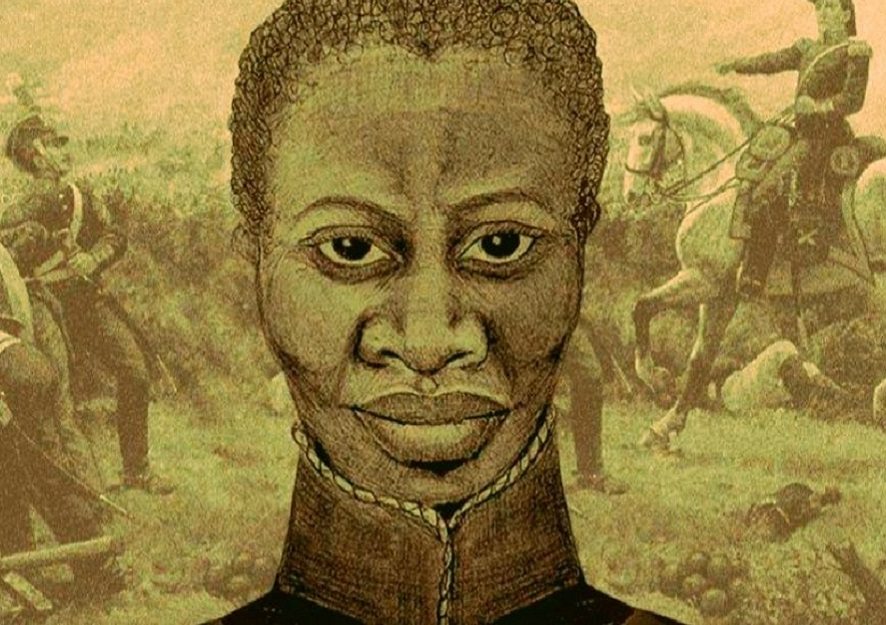
One of the Black figures who played a significant role in the Argentine War of Independence was María Remedios del Valle (c. 1768–1847), also known as the Madre de la Patria — Mother of the Homeland. She was a parda soldier who fought for the United Provinces of the Río de la Plata. She began as a nurse caring for wounded soldiers on the front lines but later joined the army and rose to the rank of captain. After the war, she was demobilized. Like many Afro-Argentines, she faced a severe lack of opportunities, which left her homeless and forced to beg on the streets.
Although she initially served as a civilian camp follower, she later joined the Army of the North and participated in several battles. She was captured by Spanish forces after the Battle of Ayohuma but managed to escape. Her entire family was killed in the war. When the conflict ended, she returned to Buenos Aires and eventually resorted to begging. She was later recognized by one of the generals under whom she had served, and was granted a pension that was paid during the last decade of her life.
In her honor, November 8th is celebrated as the National Day of Afro-Argentines and African Culture. In May 2022, the Central Bank of Argentina announced a new AR$10,000 banknote featuring the image of del Valle alongside Manuel Belgrano, describing her on its official website as “a hero of the War of Independence.” On November 8, 2022, a monument in her honor was unveiled at Plazoleta Castelao in Buenos Aires.
Conclusion:
The story of María Remedios del Valle embodies both the central role Black Argentines played in building the Argentine nation and the historical erasure that followed. Her journey from battlefield hero to beggar and, more than a century later, to national symbol, illustrates how Afro-Argentine contributions were marginalized and then slowly reclaimed. Understanding her legacy helps explain why the absence of Black players on Argentina’s national team is not a mere demographic accident, but a reflection of a deeper, deliberately obscured history that Argentina is only now beginning to confront.