By Okoi Obono-Obla
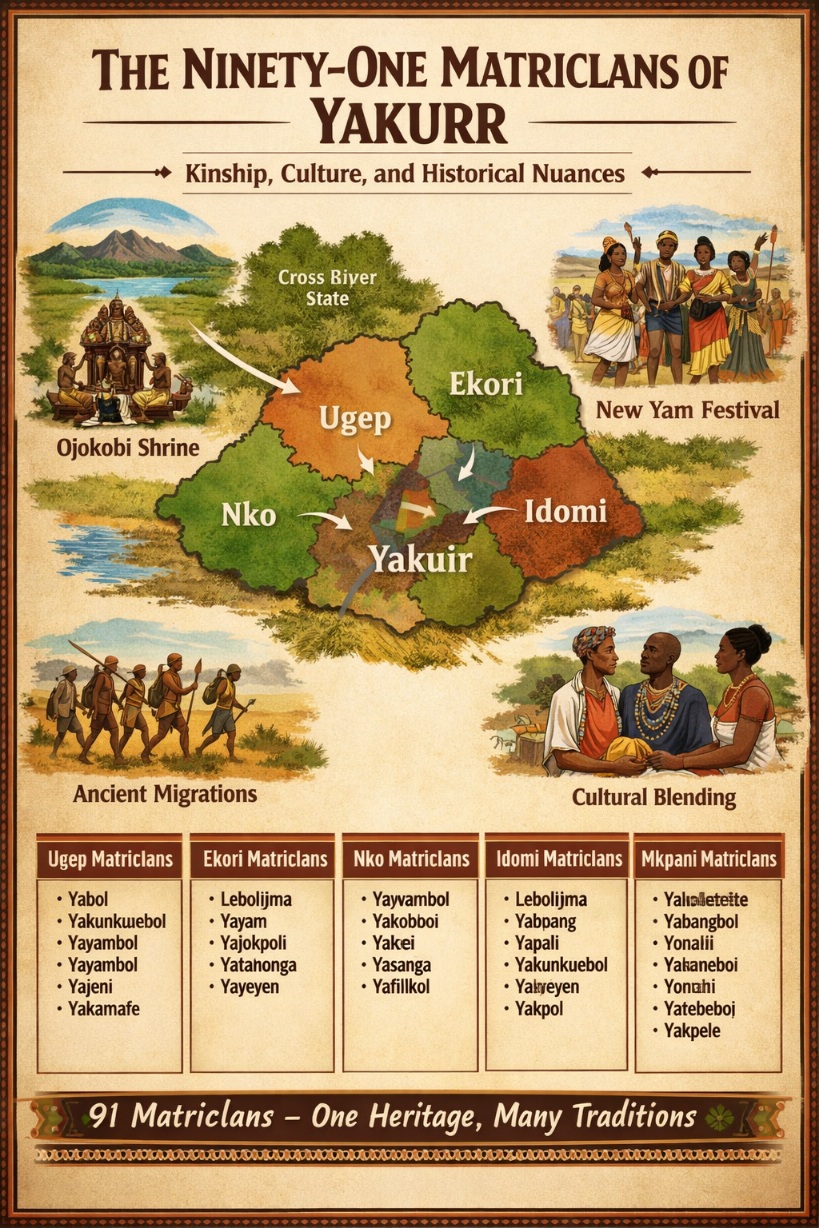
In previous discussions, I examined the kinship system of matrilineality in Yakurr. The Yakurr people are an indigenous ethnic group located in Cross River State, Nigeria, renowned for their rich matrilineal heritage and diverse cultural traditions. Mathias Uyouyo, in his seminal work on the Yakurr system of kinship, succinctly identified the matriclans (matrilineal families) in Ugep, Ekori, Idomi, Mkpani, and Nko. However, he did not identify those in Assiga and Agoi. It is important to note that some matriclans in Ugep, Ekori, Nko, Idomi, and Mkpani also extend into Agoi and Assiga, as well as Abi, Biase, Akamkpa, and Obubra local government areas of Cross River State, and even Afikpo in Ebonyi State.
Interestingly, there are matriclans found in other Yakurr communities that do not exist in Ugep, and conversely, some matriclans in Ugep are absent in other Yakurr communities. This highlights the fact that while the Yakurr people share cultural similarities, there are fundamental differences, peculiarities, and nuances in their customs, traditions, and norms. For this reason, when I write about Yakurr customs, traditions, history, and ethos, I restrict myself to Ugep, my place of origin, whose culture I know intimately. I cannot presume to narrate the histories of communities I do not belong to.
The Yakurr communities do not share a uniform history. This is understandable because their migration from the original homeland near Lake Ijagham in the present South Western Province of Cameroon occurred in different waves. Some Yakurr communities settled in their current locations centuries before others. Upon arrival, they encountered indigenous groups, intermarried, and through miscegenation, blended and adopted aspects of those cultures. This explains why even the New Yam Festival is celebrated differently across Yakurr communities, with varying dates according to each community’s cosmology. It also accounts for the dialectical differences in the Lokaa language spoken today.

Ugep Matriclans (22)
1. Yabọl
2. Yakunkunẹbọl
3. Yakpelebọl
4. Yawambọl
5. Yakpambọl
6. Yajeni
7. Yasenibọl
8. Yakọibọl
9. Yabọlletete
10. Yatebe
11. Yapuni
12. Yajokpọli
13. Yabayẹ
14. Yabongọ
15. Yanali
16. Yayọọ
17. Yakumikọ
18. Yabọng
19. Yakamafẹ
20. Yatiyomọ
21. Yakangkang
22. Yayali
Ekori Matriclans (16)
1. Lẹbọljimạ
2. Yawambọl
3. Yatebe
4. Yapuni
5. Yatiyọmọ
6. Yayam
7. Yabayẹn
8. Yajokpọli
9. Yatakonga
10. Yayọọ
11. Yabangbọl
12. Yakọibọl
13. Yaplang
14. Yatatangabọl
15. Yakpolo
16. Yajeni
Nko Matriclans (15)
1. Yawambọl
2. Yakọibọl
3. Yapuni
4. Yatiyọmọ
5. Yayọọ
6. Yakei
7. Yajokpọli
8. Yakaboli
9. Yasanga
10. Yafilkọl
11. Yakamakama
12. Yakpokponga
13. Yatebe
14. Yaplang
15. Yakamafe
Idomi Matriclans (22)
1. Lẹbọljimạ
2. Yabọng
3. Yapali
4. Yabongọ
5. Yatatangabọl
6. Yabayẹn
7. Yakpan
8. Yapuni
9. Yatiyọmọ
10. Yayọọ
11. Yakọibọl
12. Yanali
13. Yajokpọli
14. Yawambọl
15. Yalasi
16. Yakunkunẹbọl
17. Yakumikọ
18. Yabọlletete
19. Yakangkang
20. Yakpolo
21. Yatebe
22. Yakpali
Mkpani Matriclans (16)
1. Yabọlletete
2. Yabangbọl
3. Yawambọl
4. Yatiyọmọ
5. Yayam
6. Yanali
7. Yakamafẹ
8. Yabayẹn
9. Yabongọ
10. Yapuni
11. Yajokpọli
12. Yatebebọl
13. Yakpele
14. Yayọọ
15. Yajeni
16. Yakpon
Collectively, these are called Bẹn bạ’Abanka, with their fertility shrines (yọsẹ) located in Ekori.
Across Yakurr, each matriclan or matrilineal family has a fertility shrine known as yọsẹ. In some cases, different matriclans share the same shrine name. For example, Yabọl, Yakunkunẹbọl, and Yakpelebọl (Lẹboljimo) all share the shrine Ojokobi.
Conclusion:
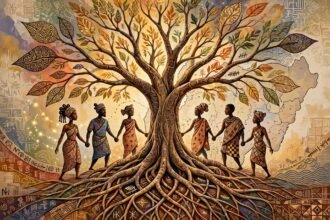
The Yakurr kinship system, with its ninety-one matriclans spread across different communities, reflects a rich tapestry of history, migration, intermarriage, and cultural adaptation. While united by a common heritage, each community retains unique traditions, dialects, and cosmological practices. This diversity within unity is what makes Yakurr culture both complex and fascinating.