
by Boma West
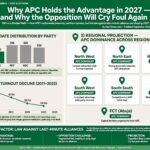
The numbers tell a sobering story. As of March 2026, the APC controls 31 of Nigeria’s 36 states, while the PDP holds just two, with the remaining governorship seats split between Accord, APGA, and the Labour Party. For a democracy to function well, opposition parties must do more than exist, they must challenge, resist, and offer credible alternatives. On that score, Nigeria’s opposition parties are failing the test in spectacular fashion.
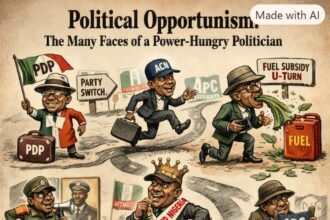
The ruling All Progressives Congress has not simply grown strong through good governance. It has grown dominant through a steady absorption of its rivals. The APC currently holds approximately 73 to 88 senators out of the 109 total seats in the 10th Senate, a figure swollen considerably by defections from opposition parties since the 2023 elections. When elected legislators cross the floor in droves, the structural bones of a functioning opposition collapse. Democratic competition becomes cosmetic.
The PDP, once a colossus that governed Nigeria for sixteen unbroken years, now casts a much smaller shadow. The party that won 27 out of 36 governorships in 2003 and produced three presidents has been reduced to holding just two states. Internal crises, persistent leadership squabbles, and a failure to rebuild its grassroots machinery have made it a ghost of its former self. It is difficult to project a party as a government-in-waiting when it cannot even hold its own members together.
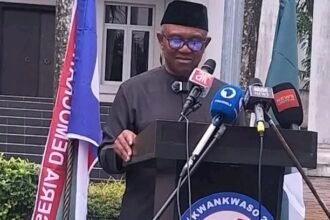
The Labour Party had a remarkable moment in 2023. Peter Obi’s candidacy on the LP platform earned the party over 6.1 million presidential votes, with strong urban performances in Lagos and Abuja, and it won the Abia State governorship through Alex Otti. That result signalled real public appetite for an alternative. Yet the party squandered that momentum. Instead of consolidating its structure and expanding its reach, it allowed personal ambitions to override collective strategy. Peter Obi has since moved on to the Nigeria Democratic Congress, further splintering whatever coalition had been forming.
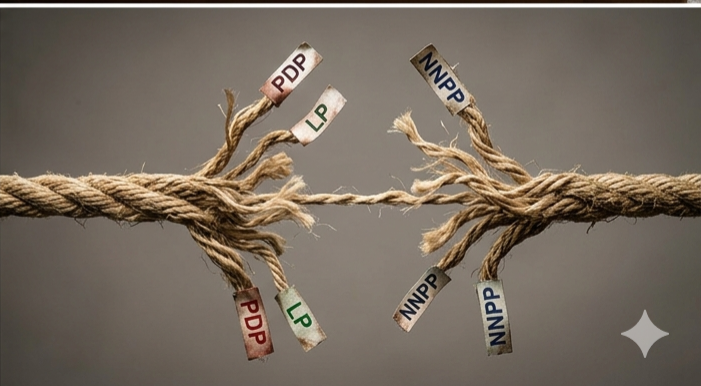
That splintering is the central wound in Nigeria’s opposition politics. The PDP, the Labour Party, and the ADC each maintain separate leadership structures, ideological postures, and political calculations. Rather than functioning as complementary forces against a dominant ruling party, they compete for the same pool of voters and influence, inadvertently strengthening the APC’s position by dividing the anti-incumbent vote.
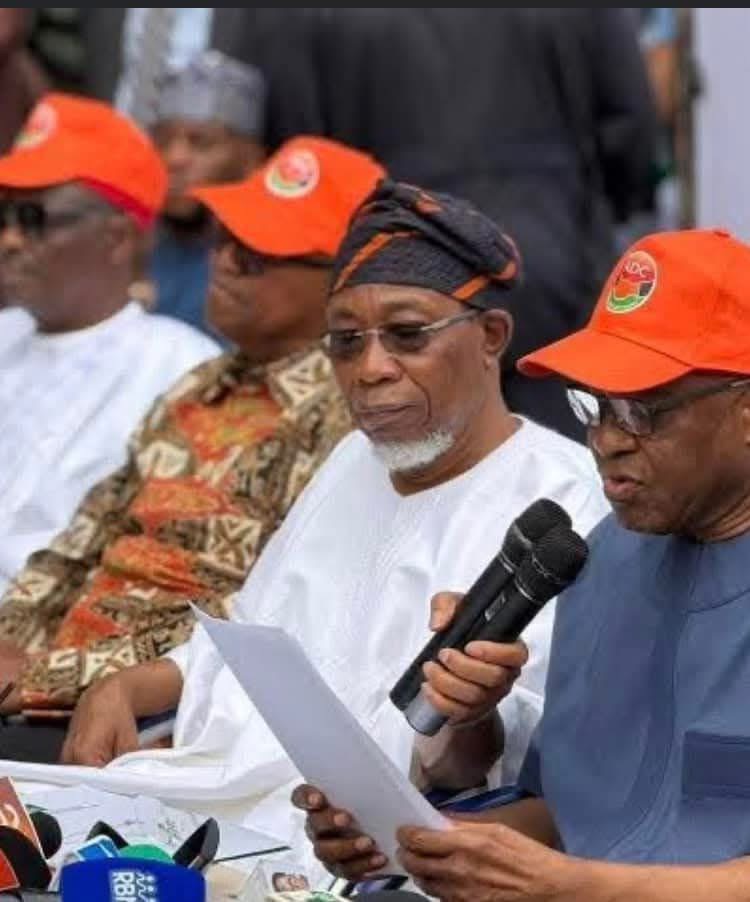
The ADC, which had briefly attracted heavyweights like Atiku Abubakar, Peter Obi, and Rabiu Kwankwaso as a potential coalition platform, was effectively gutted when Obi and Kwankwaso departed with their supporters, leaving the party an empty shell. The opposition’s best chance of unseating the APC lay in presenting one candidate with broad national support. That chance now appears to have slipped away. All indications point to a 2027 presidential race that will mirror 2023, with Atiku likely flying the ADC flag, Obi carrying the NDC banner, and President Tinubu running on the APC ticket. A divided opposition is a gift to the incumbent.
There is also the structural question of how political space is being managed. Some opposition figures allege that defections to the APC are not entirely voluntary, with claims that state governors and party chieftains are crossing over under coercion and pressure, while opposition parties face legal challenges from proxies and constraints under the new electoral law. Whether or not those allegations are fully verifiable, the pattern of movement is consistent: the traffic flows almost entirely in one direction.
The prospect of a one-party state, once a theoretical worry, has become a live concern. Critics argue that such a consolidation of power would deal a fatal blow to Nigeria’s multiparty democracy and mark the beginning of civilian autocracy. Former governor Rotimi Amaechi, himself once a key APC figure, has publicly urged opposition parties to unite, warning that Nigeria’s democracy could tilt toward one-party dominance if they fail to organise. His warning carries weight precisely because he knows how the ruling party operates from the inside.
The hard truth is that the opposition in its current form is not strong enough to contend meaningfully with the APC in 2027. The votes exist, public frustration over economic hardship, insecurity, and the cost of living is genuine and widespread. The problem is not the electorate. The problem is that the parties seeking to harness that frustration cannot stop fighting each other long enough to fight the real battle. Until the opposition learns to treat unity as a strategy rather than a slogan, the APC’s dominance will not simply persist, it will deepen.