
REJOINDER TO SENATOR BABAFEMI OJUDU’S “THE PRICE OF SILENCE”
By Banji Ayiloge
Senator Babafemi Ojudu’s recent essay, “The Price of Silence,” shared widely on social media, is a thoughtful intervention. Yet it rests on a flawed premise: that the Yoruba nation has slipped into moral complacency and selective outrage simply because the current federal leadership is Yoruba. This conclusion, though elegantly framed, does not withstand closer scrutiny.
Reading Senator Ojudu’s piece brought to mind General Theophilus Yakubu Danjuma’s public rebuke years ago, when he accused the Yoruba of “losing their voice” during the killings in the Middle Belt. Ironically, when the Yoruba rose during the constitutional crisis that followed President Yar’Adua’s incapacitation—insisting that Vice President Jonathan must assume office—they spoke unambiguously. Jonathan became President. Yet, once in office, he did not regard the Yoruba as brethren.

The Yoruba are not silent today. They are not indifferent. They are not retreating into ethnic defensiveness. What is happening is far more nuanced—and far more reflective of Nigeria’s complex political moment—than the Senator allows.
In 2023, Senator Ojudu openly backed Vice President Yemi Osinbajo, with whom he had worked closely in the Buhari administration. His preferred candidate did not win. That is politics. No one should fault him for picking a side. But to suggest that the Yoruba are silent simply because the President is Yoruba is inaccurate. Many Yoruba are speaking—some loudly, others through counsel—and many believe President Tinubu must confront Nigeria’s structural problems head on.
Senator Ojudu frames Yoruba political behavior as a sudden departure from a storied tradition of speaking truth to power. But Yoruba political culture has never been defined by perpetual opposition. It has been defined by principled pragmatism.
The Yoruba broke the jinx of permanent opposition after the First and Second Republics. MKO Abiola lost his life in the struggle to reclaim his mandate, and the Yoruba stood firmly with him despite internal disagreements. They have supported federal leadership when it aligned with their aspirations and opposed it when it did not. This is not an inconsistency; it is political maturity.
To interpret today’s posture as silence is to misread a people who have learned that not every national quarrel requires their megaphone.
The Senator’s essay subtly suggests that the Yoruba must always serve as Nigeria’s moral compass. This expectation is neither equitable nor realistic. Nigeria’s challenges—economic stagnation, insecurity, corruption, and institutional decay—are national failures, not Yoruba creations.
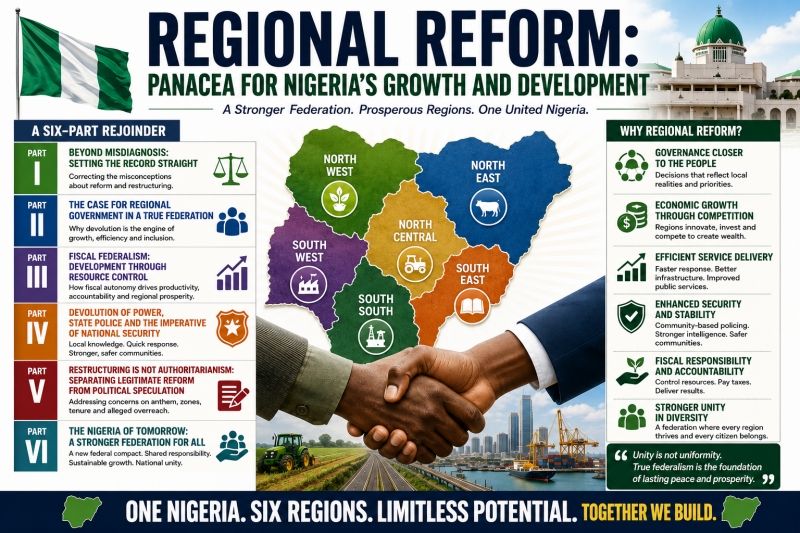
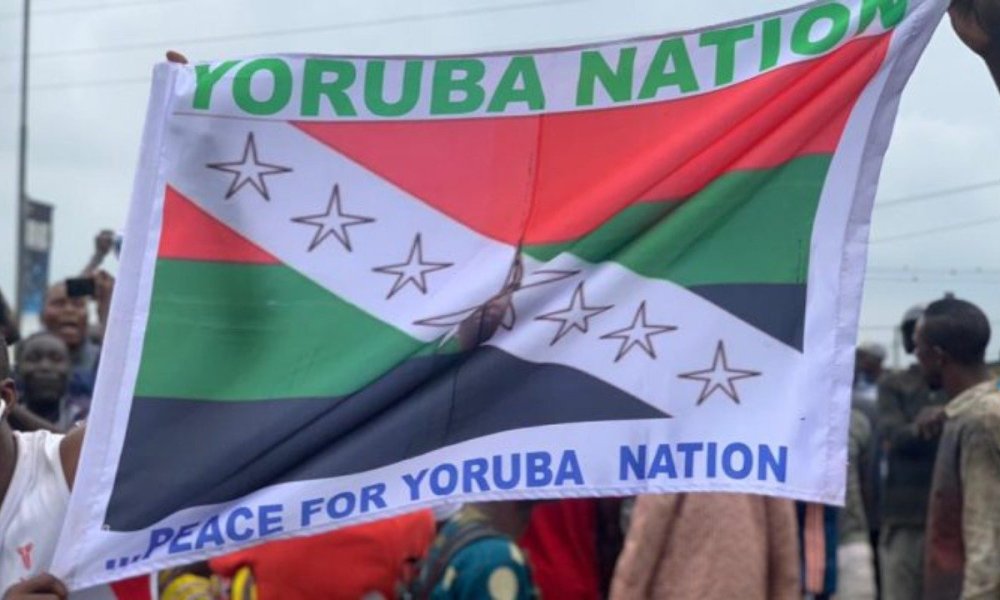
President Tinubu’s standing among the Yoruba will depend on what he prioritizes today. Last year, a Yoruba pressure group visited him to urge immediate political reforms, especially the restructuring of a long-standing Yoruba demand and one shared by many enlightened voices across the country. At the coronation of the Olubadan, Oba Adewolu Ladoja, President Tinubu declared that the economy had “turned around.” Many Yoruba have since been waiting for a bold move on restructuring. Criticizing the President on that score is not disloyalty. Silence on that core Yoruba aspiration is equally unacceptable.
To imply that Yoruba criticism—or the absence of it—determines the nation’s moral temperature is flattering but ultimately misleading. No ethnic group should be assigned the role of national conscience while others enjoy the luxury of selective engagement.
And if we must speak of silence, was Senator Ojudu not silent during the Buhari administration in which he served? During the Jonathan years, when Yoruba were scarcely represented among the top twenty federal officials, who then spoke for the Yoruba?
The Senator’s focus on Yoruba “silence” distracts from the real issue: Nigeria’s structural dysfunction. The country’s problems are systemic, not ethnic. They stem from decades of centralized power, weak institutions, and a political class—across all regions—that has failed to deliver meaningful governance.
Nigeria operates a winner takes all arrangement that allows one section to dominate for eight years before the pendulum swings elsewhere. Yoruba people are speaking to the President, but they cannot afford to alienate him. Omo eni kii burúburú ká fi ẹ̀kùn pa je—one does not destroy one’s own child to feed a tiger. The Yoruba cannot be blamed for refusing to carry a burden that belongs to the entire federation.
Inter Ethnic Tensions Are Not a Yoruba Invention
Senator Ojudu hints at Yoruba- Igbo and Yoruba–North tensions as though they are products of Yoruba withdrawal. This is incomplete. Nigeria’s ethnic frictions are multidirectional. The Yoruba have often been targets of political scapegoating, misinformation, and online hostility. To ask them to apologize for exercising caution is unreasonable. To portray their restraint as hostility is unfair.
The Senator’s anecdote about being advised to “slow down” because the government is “our own” is personal rather than representative. Yoruba public discourse is vibrant, diverse, and often sharply critical. Across civil society, academia, the press, and the streets, Yoruba voices continue to interrogate power. Extrapolating a private conversation into a cultural diagnosis is analytically weak.
The Senator warns against selective outrage, yet his essay overlooks moments when Yoruba communities were attacked, their leaders vilified, or their political choices delegitimized. Silence in those moments did not seem to trouble him. Moral consistency cannot be demanded only when it is politically convenient.
The Yoruba have the right to pursue their political interests without being cast as custodians of national morality. They will speak when necessary, act when required, and stand for justice when it matters. But they will not be coerced into performative outrage merely to satisfy external expectations. Nigeria needs shared responsibility—not selective moral lectures.
Senator Ojudu’s essay raises important questions, but it misplaces blame and misreads the moment. The Yoruba are not silent; they are discerning. They are not indifferent; they are cautious. They are not retreating; they are refusing to be manipulated by guilt.
Nigeria’s salvation will not come from indicting the Yoruba ethnic group. It will come from confronting the structural rot that affects us all.
The Yoruba will continue to play their part—firmly, responsibly, and without apology.
____
Banji Ayiloge, a regional rights activist, writes from Delaware, USA