

By Okoi Obono-Obla
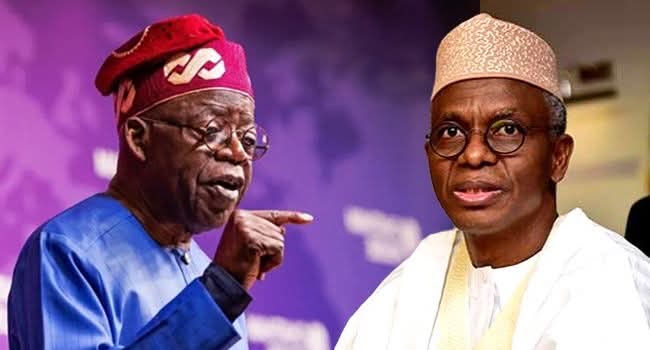
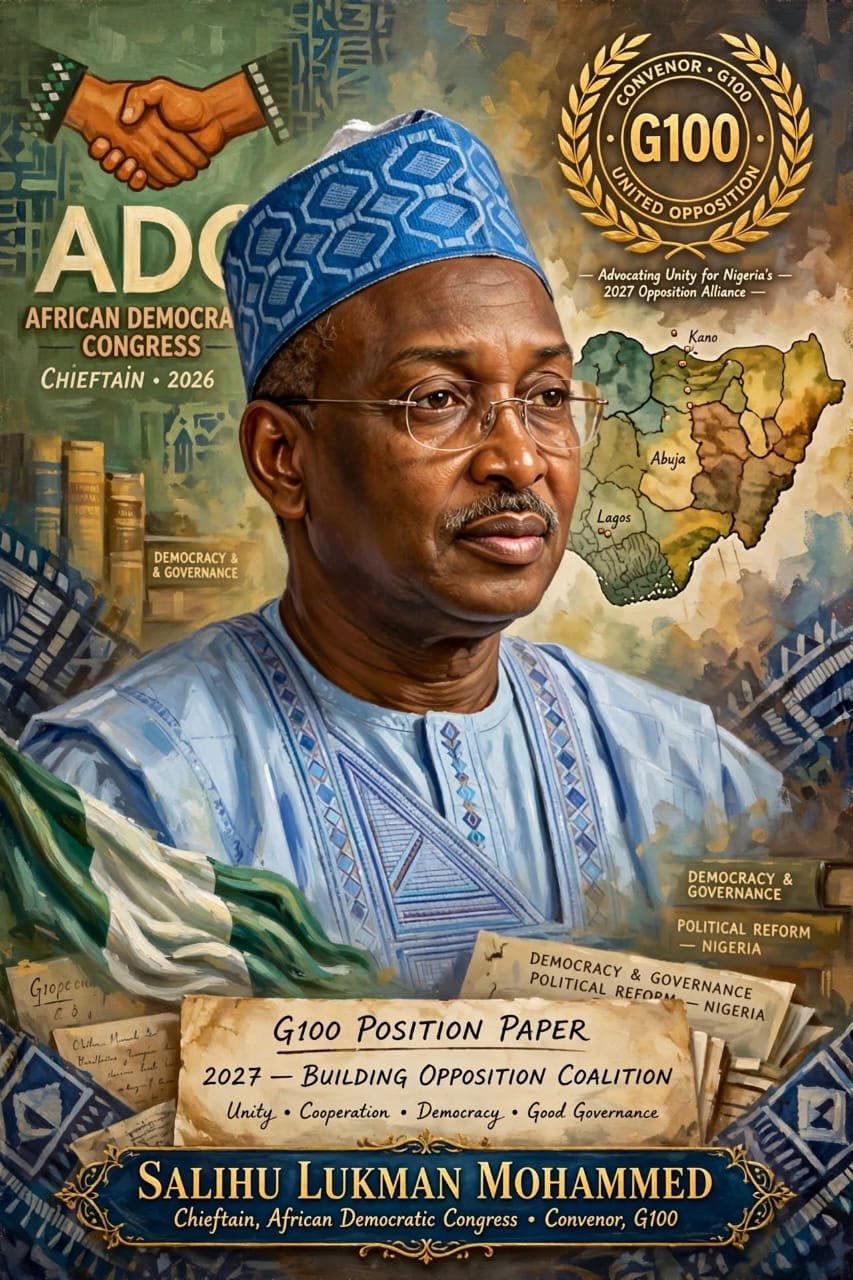
I read with interest the interview granted by Mallam Salihu Lukman Mohammed, chieftain of the African Democratic Congress and convenor of the G100, to Channels Television and reported by TheCable on 17th October, 2026, to the effect that opposition parties are moving closer to an alliance ahead of the 2027 general election.
We have heard this same song for the past one year. Yet nothing has been demonstrated by those concerned to walk the talk.
Let us be clear on the law. Every presidential candidate must be sponsored by a political party. That is the mandatory requirement of Section 221 of the 1999 Constitution (as amended). Under our electoral law, there is no provision for an alliance of political parties to sponsor a single presidential candidate. The Electoral Act, 2026 (as amended) retains the settled provision: where a candidate knowingly allows himself to be nominated by more than one political party, his nomination shall be void.

The whole talk of producing a single presidential candidate through an alliance is, with respect, a boogeyman.
Mallam Lukman speaks of six parties — ADC, APM, NDC, SDP, PDP and PRP — consulting five presidential aspirants. But all these parties have now emerged with their own presidential candidates, and more importantly, the Independent National Electoral Commission has spoken.
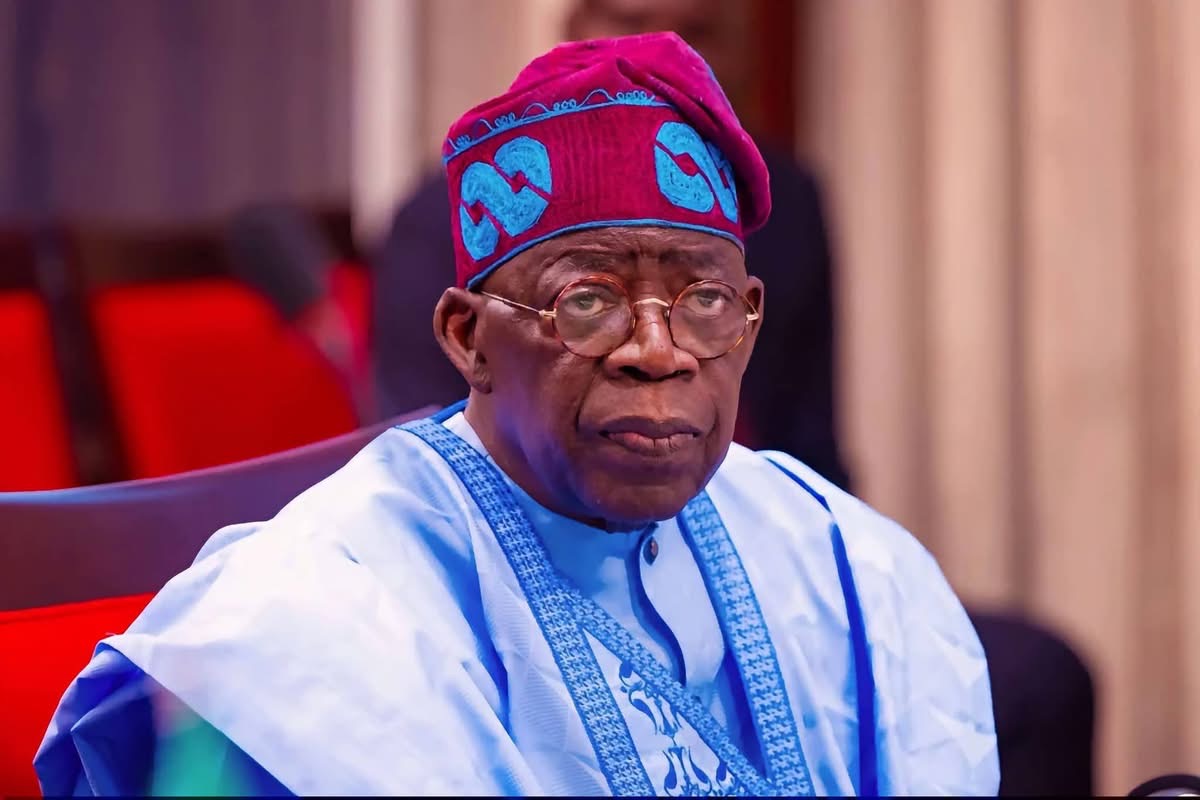
On 12th September, 2026, INEC published its final list of 18 presidential candidates and running mates for the January 16, 2027 election. The list includes President Bola Ahmed Tinubu of the APC, former Vice President Atiku Abubakar of the ADC, former Governor Peter Obi of the NDC, Governor Seyi Makinde of the APM, Donald Duke of the PRP and others.
Once the final list is published, the law offers only two narrow pathways to what Lukman desires.
The first is a full merger under the merger provisions of the Electoral Act, 2026. Parties must merge at least 90 days before the election, surrender their registration, logos and structures, and become a new party. That is how APC was formed in 2013. None of the parties in G100 is prepared to do that.
The second is withdrawal and replacement under the Electoral Act, 2026. A candidate may withdraw and his party may conduct a fresh primary within 14 days to replace him. There is no joint candidacy on the ballot. At best, five candidates will withdraw, their parties will choose not to replace them, and they will endorse the remaining one candidate who remains, legally, the candidate of only one party.
Has any of this happened? No.
Therefore, the optimism of Mallam Lukman Mohammed is certainly misplaced and its workability hangs in the balance. It is mere talk to give the impression that an opposition in disarray exists.
The truth is that the opposition is hoping to weaponize the reform agenda of President Bola Ahmed Tinubu and feast on a possible and hopeful public indignation arising from the short-term pains of subsidy removal, foreign exchange unification and other necessary but painful adjustments.
That strategy has failed because until now, the opposition has dismally failed to present a coherent and well-defined antidote to the reform agenda that irks it so much.
Until the opposition moves from sloganeering to substance, and from press statements to the lawful sacrifice of withdrawing candidatures in INEC’s final list, the alliance will remain what it has always been — a convenient headline without legal or political legs.