

by Emmanuel Adegbite
An administration cannot keep declaring economic victories while millions of its citizens struggle to afford the basic necessities of life.
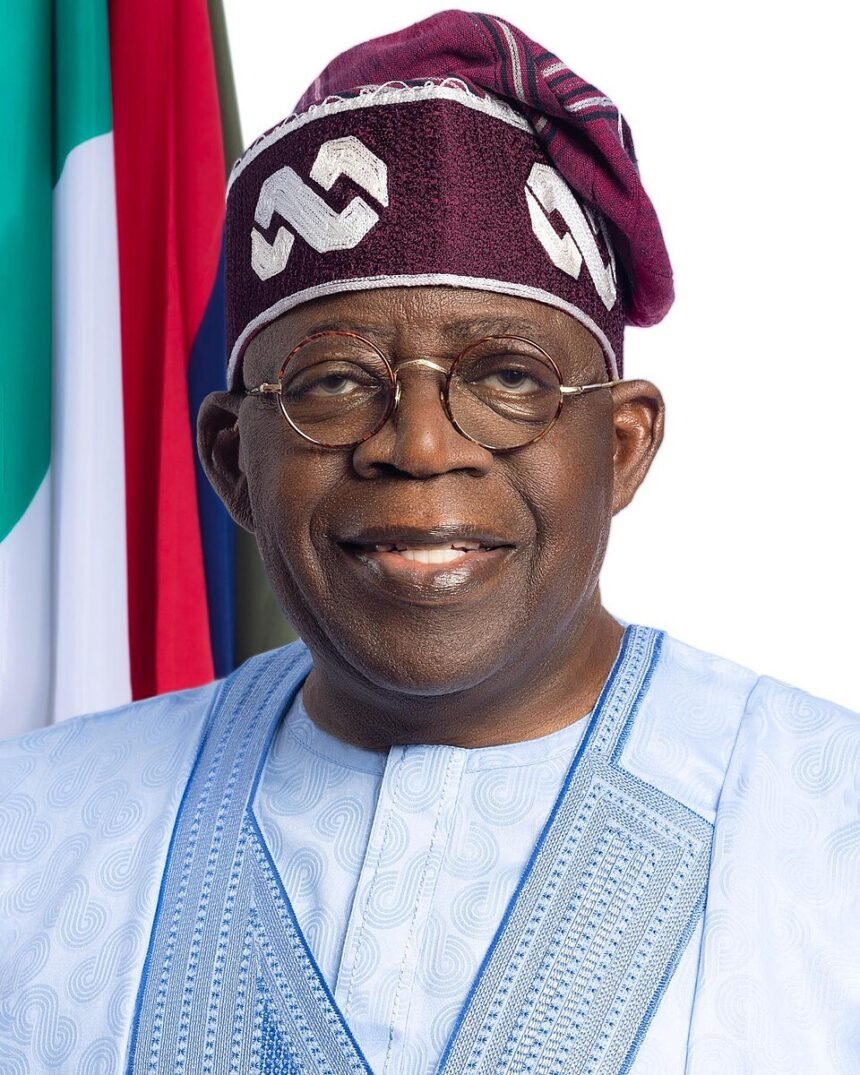
There is something deeply troubling about a government that celebrates economic recovery while its citizens struggle to survive. Since President Bola Ahmed Tinubu assumed office in May 2023, Nigerians have endured soaring living costs, expensive transportation, shrinking purchasing power, and growing uncertainty about their economic future. Yet the administration continues to defend its policies as necessary sacrifices for national recovery.
Perhaps Nigeria needed economic reform. But the question is whether Tinubunomics has delivered enough tangible benefits to justify the enormous burden placed on ordinary Nigerians.

Reform is not an achievement simply because it is difficult. Its success must be measured by the lives it improves.
Fuel subsidy removal triggered a chain reaction across the economy. Transportation became more expensive, food prices climbed, businesses struggled with operating costs, and workers discovered that their salaries could no longer cover basic necessities.
The government promised that subsidy savings would support development and improve public welfare. Nigerians therefore have every right to ask: where are the visible benefits?
Removing a subsidy is one thing; using the resources effectively is another. A government cannot indefinitely celebrate the first while offering insufficient evidence of the second.
The administration frequently points to improving economic indicators as evidence that its policies are working. But lower inflation does not mean cheaper food, just as improved investor confidence does not mean that struggling families can suddenly afford rent.
An economy can improve on paper while deteriorating at the dinner table.
That is the uncomfortable contradiction at the heart of Tinubunomics. Government officials speak the language of recovery, while millions of Nigerians continue to calculate whether their incomes can survive another day.
Economic statistics matter, but they must serve the people, not become instruments for political self-congratulation.
The minimum wage increase to ₦70,000 in 2024 offered some hope, but wages cannot be assessed independently of living costs. When food, transportation, electricity, and accommodation consume workers’ earnings, a nominal salary increase offers little meaningful relief.
Teachers, civil servants, small-business owners, and young professionals face the same troubling reality: working harder does not necessarily mean living better.
This is more than an economic problem. It is a crisis of dignity.
An administration that cannot adequately address the relationship between wages and living costs cannot credibly claim that economic recovery has reached ordinary Nigerians.
Tinubu inherited serious economic problems, but inherited problems cannot become a permanent excuse for disappointing outcomes.
Nigerians deserve transparent accounts of subsidy savings, measurable improvements in public services, effective social protection, and policies that reduce the cost of domestic production.
They deserve more than explanations of why hardship is necessary. They deserve evidence that their sacrifices are producing results.
Leadership is not measured by the difficulty of the decisions announced, but by the quality of the outcomes delivered.
Tinubunomics has demanded extraordinary sacrifices from Nigerians. The administration may defend its reforms as necessary, but necessity alone does not guarantee success.
A recovering economy should eventually mean affordable necessities, stronger purchasing power, thriving businesses, decent employment, and better public services.
Nigerians are not asking for miracles. They are asking for a government whose promises are reflected in their everyday lives.
Until then, the administration must confront a question that no speech, statistic, or political slogan can permanently silence:
If Tinubunomics is working, why are so many Nigerians still struggling to survive it?