By Okoi Obono-Obla
I read the long address on fuel prices, palliatives and the cost of living by Atiku Abubakar, the presidential candidate of the ADC, and it was clearly a frenetic and desperate bid to arouse populism among Nigerians and shore up his electoral value. It makes me laugh to see how he wants to pull wool over the eyes of Nigerians for electoral grandstanding.
From verifiable data, we can see that Nigeria still has one of the cheapest petrol prices in Africa, even though some would want us to believe otherwise and are vociferous about the current price. The latest GlobalPetrolPrices ranking for 2026 puts Nigeria between 5th and 8th cheapest on the continent at $0.56 to $0.91 per litre, cheaper than most of our neighbours who pay about $1 per litre. Libya, Angola and Algeria are cheaper only because they still heavily subsidize fuel.
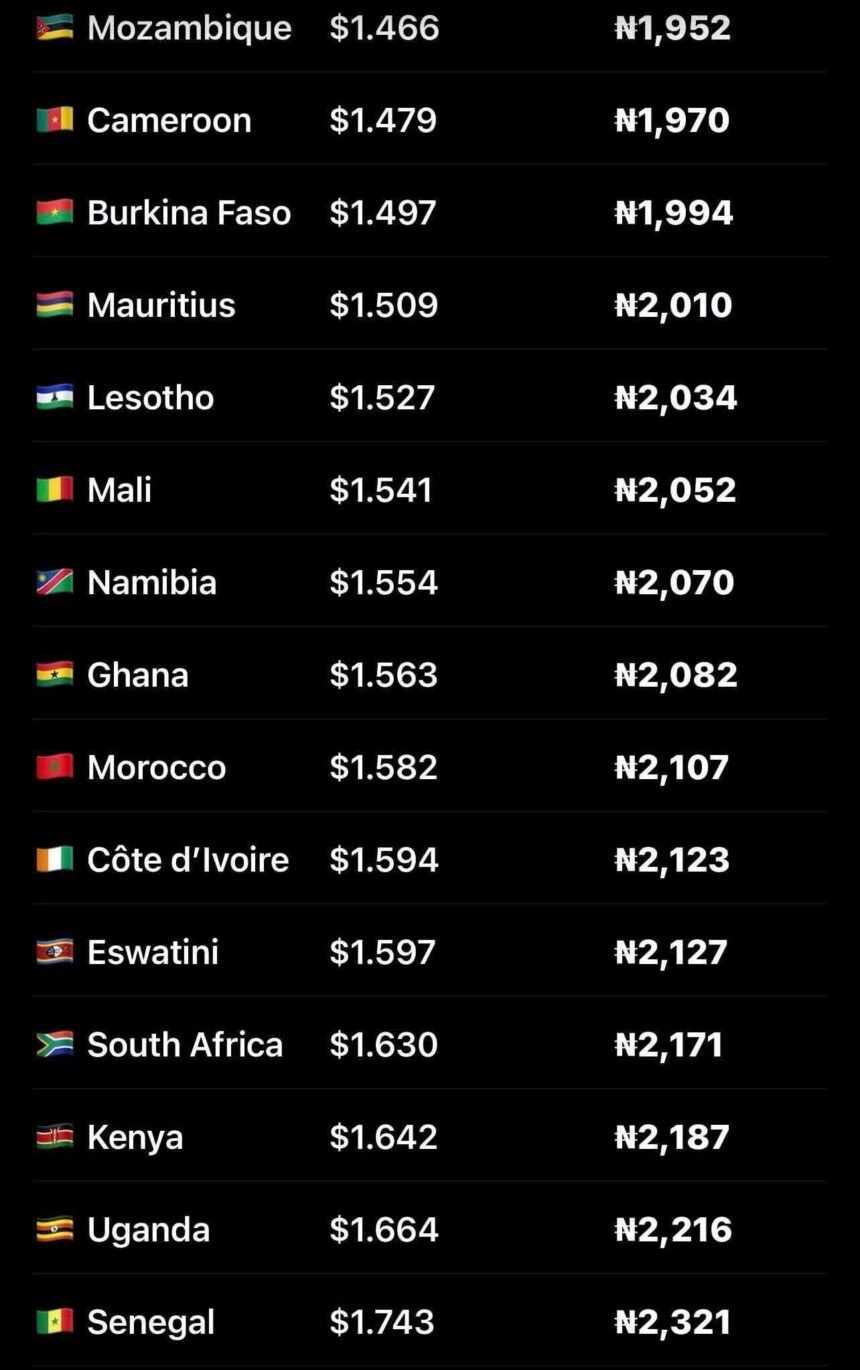
This is not mere assertion. The comparative price table of petrol across Africa makes this abundantly clear:

Comparative Petrol Prices Across Africa [From Image]
| Country | Price in USD | Price in Naira |
| — | — | — |
| Mozambique | $1.466 | ₦1,952 |
| Cameroon | $1.479 | ₦1,970 |
| Burkina Faso | $1.497 | ₦1,994 |
| Mauritius | $1.509 | ₦2,010 |
| Lesotho | $1.527 | ₦2,034 |
| Mali | $1.541 | ₦2,052 |
| Namibia | $1.554 | ₦2,070 |
| Ghana | $1.563 | ₦2,082 |
| Morocco | $1.582 | ₦2,107 |
| Côte d’Ivoire | $1.594 | ₦2,123 |
| Eswatini | $1.597 | ₦2,127 |
| South Africa | $1.630 | ₦2,171 |
| Kenya | $1.642 | ₦2,187 |
| Uganda | $1.664 | ₦2,216 |
| Senegal | $1.743 | ₦2,321 |
The table shows that even our closest neighbours are paying well over $1.40 per litre, more than double what Nigerians pay.
This high cost is not unrelated to global geopolitics. The firing of missiles, cruise missiles and drones into oil installations in Saudi Arabia will trigger another round of volatility in oil prices.
My Critique of Atiku’s Position:
1. Atiku knows subsidy is unsustainable: As a former Vice President and serial presidential candidate, Atiku knows Nigeria was spending trillions of naira on a corrupt fuel subsidy regime that benefited smugglers and not the poor. He also advocated for subsidy removal in the past. To now weaponize the pain of a necessary reform he once supported is pure opportunism.
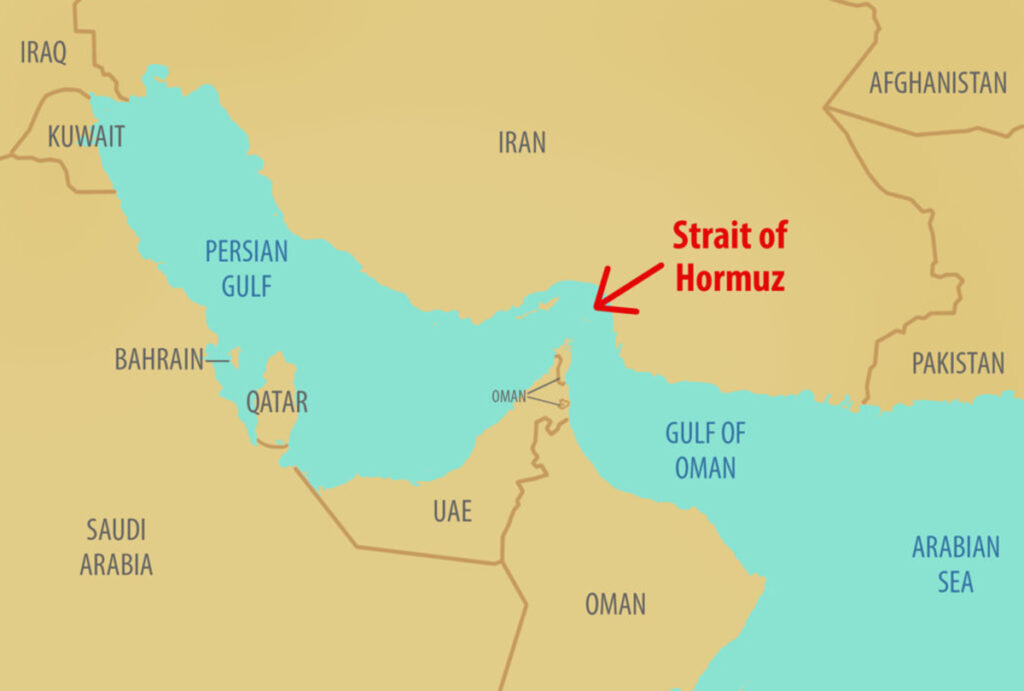
2. He ignores the refining gap: Nigeria exports crude but imports refined petrol because for decades we failed to refine at home. When you import petrol to shore up domestic consumption, you are at the mercy of international market vagaries. You pay not just for crude, but for foreign refining margins, shipping, insurance, port charges and dollar exchange rates. The closure of Hormuz and Bab el-Mandeb directly inflates those costs. Atiku knows this.
3. No alternative offered: The epistle offers populism without a workable alternative. Does he want to return to paying over N4 trillion yearly in subsidy? From where? Or will he tell Nigerians how he will magically insulate Nigeria from a global oil price of $110 per barrel caused by a war in the Middle East?
Some Nigerians argue that because Nigeria exports crude, fuel must be cheap. That is emotional, not economical. Until we refine enough for domestic consumption locally – through Dangote Refinery and functional NNPC refineries – in Naira and for Naira, we will continue to import global volatility.
Conclusion:
Atiku’s address is therefore not an economic blueprint; it is a political pamphlet aimed at exploiting current hardship for votes. The table above exposes the hollowness of that pamphlet. What Nigeria needs now is not a return to a failed subsidy regime, but a patriotic commitment to local refining, prudent fiscal management, and targeted palliatives to cushion the inevitable transition pains. Populist grandstanding will not lower the price of petrol; productivity will.